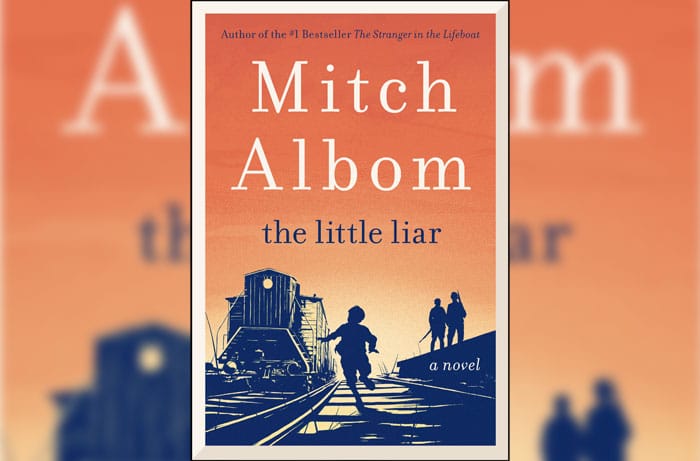
Mitch Albom’s latest novel,”The Little Liar,” is a parable, set in and around the Holocaust. It explores honesty, survival, devotion, revenge and redemption.
“It’s like my ninth novel, but it is the first story that is set during World War II,” Albom told the Journal. “Growing up Jewish, I always felt that I had an obligation at some point to add to the literature of the Holocaust.”
He added, “We’re at that very delicate stage where people are forgetting or even worse, they’re rewriting history, and they’re trying to tell people that it didn’t happen or wasn’t as bad as people thought.”
The book, Albom explained, focuses on lying, how the truth was perverted during World War II and the costs of losing the truth to both the people who perpetuated it and their victims.
There’re so many great stories that have been done already about … and during the Holocaust. It took me a long time, and I finally found a story that I feel is original.” – Mitch Albom
“There’re so many great stories that have been done already about … and during the Holocaust,” the author, journalist, broadcaster and philanthropist said. “It took me a long time, and I finally found a story that I feel is original.”
In “The Little Liar” Albom weaves together the stories of Nico (the title character), his brother Sebastian and their schoolmate Fannie with that of the Nazi officer who changed their lives. He not only shares how each of the children survived the war, but their journeys in the years that followed.
The story starts in Greece, another point of originality, as many Holocaust stories take place in Poland or Germany.
“Very few people know that Greece also was decimated by the Nazis, and that the city of Salonika, or what they call now Thessaloniki, the largest Jewish population city in all of Europe,” Albom said. “And the Nazis came in and just wiped it out.”
In the book, 11-year-old Nico, who was known for never telling a lie, gets tricked by the Nazis into convincing his Jewish friends and neighbors to get on the train to Auschwitz.
They tell Nico that there will be jobs and homes waiting for them; everyone is going to a safe place.
Not only does Nico believe this to be true, the Nazis tell him that if he shares this information, his family will be okay and that he’ll be reunited with them.
“At the very end, on the last train out, [Nico] sees that the Nazis are putting his family on the train, and he goes to be with them screaming,” Albom said. “He finds out that they’ve been lying to him this whole time, and that he has inadvertently helped send everybody he’s known and loved off to their deaths.”
On top of this, the Nazi guard who tricked Nico keeps him from getting on the train, separating him from his family.
From that point forward, Nico no longer has the ability to speak the truth. He can only lie.
“That changes his life, not only during the war, but for the decades that follow,” Albom said.
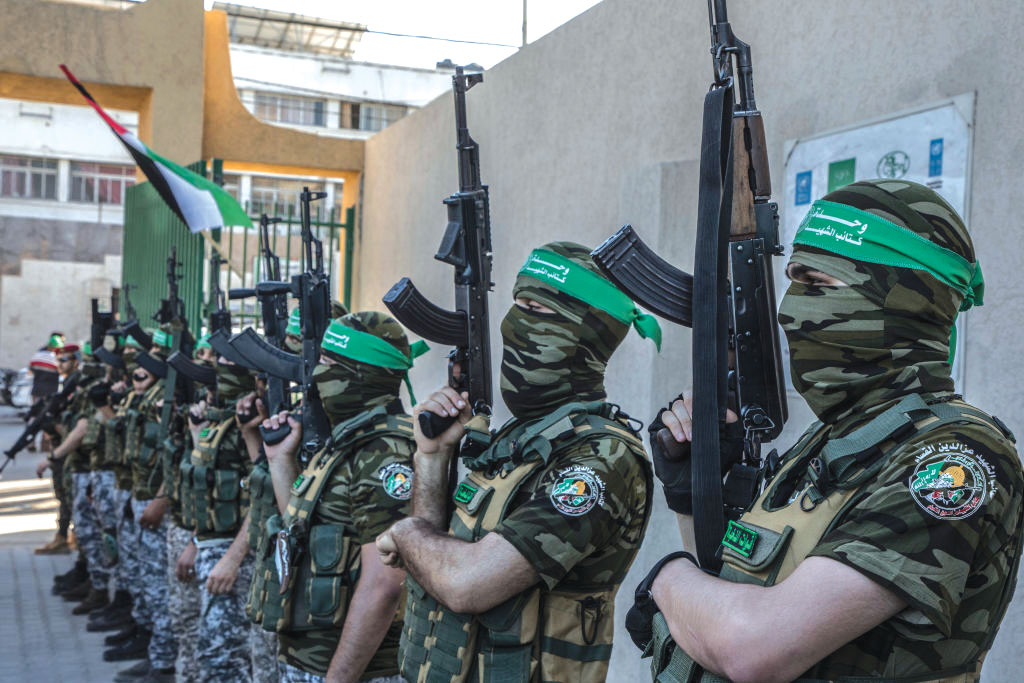
“The Little Liar” comes out on November 14. The Journal spoke with the author on October 10, just three days after the massacre in Israel that incited the war.
“They’re releasing reports of this music festival in the South, where they came in they found a tent with bodies just killed, maimed, throat slit, whatever, and lied on top of one another, which is exactly what the Nazis did,” Albom said. “When I heard [how they] stacked dozens of bodies on top of one another, having done all this research for the book, and knowing how common that was for the Nazis to use, it was bone chilling.”
Writing and publishing a book takes years, and this kind of timing never could have been predicted.
History teaches that if you ignore the past you are doomed to repeat it. Albom hopes ‘The Little Liar’ gets people to think, as he hopes happens with all of his work. He hopes people come away from this book with a renewed appreciation for the truth. “The Little Liar,” he said, has overtones of today, not just with what’s happening in Israel, but the way people choose their own truths.
“There is no universal truth. It’s just the truth that we choose to believe. … As long as we surround ourselves with like- minded people we don’t hear contrary points of view—or we cancel contrary points of view, then we’re not really being true to the truth. We’re taking the truth and filtering it through our own [lens].”
Although it has its horrific scenes, “The Little Liar” is not a negative book. “Obviously, you can’t write a book that takes place during World War II with the Holocaust without some scenes that are kind of jolting,” he said. “But I try to always provide hope and inspiration in the books that I write.”
The book is narrated in the voice of the truth. “The truth speaks frequently about, ‘Why do you pervert me? Why do you bend me? Why do you shape me?’” Albom said. “Hitler did it, and that’s how Hitler rose to power. … And it’s being done today all over the world by people who are taking the truth and just spinning it until they get people to believe what they want to believe.”
He also hopes readers will be moved by the resilience of children and the hope they provide.
Albom, who runs the Have Faith Mission & Orphanage in Haiti, has traveled there every month for the last 14 years. “I’m sure the kids at that orphanage inspired a lot of the characters in ‘The Little Liar.’”
Albom wants readers to think about the truths and lies in their own life, and how much lying or falsehood is rolled into their existence.
“I hope that if we give that a little bit more thought, and we’re a little bit more honest with one another, we’ll have a little bit more of an honest world.”