fbpx

Think Global, Cook Local

Clarissa Hyman\'s new cookbook, \"The Jewish Kitchen,\" is alive with miracles -- stories of Jewish life and war-torn Jewish communities, bringing with them their glorious history, rich culture and a cuisine passed through the generations, itself a story of miraculous survival.
[additional-authors]
December 18, 2003

“The Jewish Kitchen: Recipes and Stories from Around the
World” by Clarissa Hyman (Interlink Books, $29.95).

Clarissa Hyman’s new cookbook, “The Jewish Kitchen,” is
alive with miracles — stories of Jewish life and war-torn Jewish communities,
bringing with them their glorious history, rich culture and a cuisine passed
through the generations, itself a story of miraculous survival.

This award-winning author crisscrossed the globe, visiting
eight families in nine months, recording their stories and recipes.

“The stories were as important to me as the recipes, because
I believe in context and background, and I wanted to give snapshots of the
Jewish world today to show that there are so many different aspects to the
Jewish experience,” Hyman said.

From the Israeli food and wine writer Daniel Rogov come
pineapple fritters, a classic for Chanukah in Lyon, France, where owner
Celestine Benditte-Strauss served them at her renowned Restaurant Cercle.

And rugelach for Chanukah? Hyman describes the lesser-known
Chanukah tradition of eating cheese and dairy products in memory of Judith, a
brave Jewish widow who beheaded the enemy general Holofernes after feeding him
— what? Hyman said “fatal small cakes.”

Some say perhaps she got him thirsty on cheese so that he
would drink wine and fall asleep. Others insist it was rich, creamy food for
the same reason. While stories differ, the message is clear.

“One Jewish dish, 20 different versions. One Jewish story,
20 different tales,” Hyman said. “It’s one of the wonderful things about Jewish
food: We are as lavish with our symbolism and myths as we are with the sour
cream. Any excuse for something delicious to eat.”


PineappleIe Fritters a La Celeseine

2 large pineapples peeled, cored and

thickly sliced

Superfine granulated sugar for dredging

1/4 cup Kirsch (cherry brandy)

3 cups all-purpose flour

1 cup warm water

7/8 cup beer

1 tablespoon vegetable oil

1 tablespoon brandy

Pinch of salt

2 egg whites whisked

Apricot jam for spreading

Vegetable oil for deep frying

Superfine granulated sugar for sprinkling

Dredge the pineapple with sugar, then sprinkle generously
with the Kirsch. Let steep 30-40 minutes.

Sift the flour and mix with the water, beer, oil, brandy and
salt to make a batter. Dry the pineapple slices on a paper towel, then coat
them with a thin layer of apricot jam.

While the oil is heating, fold the whisked egg whites into
the batter. Take the fruit and batter to the stove. When the oil is hot (350
F), dip the pineapple slices into the batter, then fry until golden brown on
both sides. Serve hot, sprinkled with sugar if desired.

Serves 6-8.

Hazelnut Rugelach

13 tablespoons butter, softened

7 ounces cream cheese

2 teaspoons superfine granulated sugar

2 cups all-purpose flour sifted with a pinch of salt

1/4 cup brown sugar

4 tablespoons cocoa powder

2 teaspoons cinnamon

7/8 cup finely chopped hazelnuts (or walnuts)

2 tablespoons butter melted

1 egg white beaten with a little water

Granulated sugar (optional)

Cream the butter and cheese until well blended. Stir in the
superfine sugar, then the flour and mix until the dough begins to hold
together. Gather into a ball, wrap in plastic wrap and chill overnight.

Preheat the oven to 350 F. Combine the brown sugar, cocoa,
cinnamon and nuts and set aside. Cut the dough ball in half and return one half
to the fridge while you work with the other.

On a lightly floured surface, roll out the pastry into a
thin circle about 10 inches in diameter. The pastry may feel hard at first but
it quickly softens. Use a cake pan or plate to help cut out a neat circle. Cut
the dough circle into 16 or 8 equal pie-shaped wedges.

Brush the surface of the wedges with melted butter, then
sprinkle evenly with half the nut mixture. Cover with a piece of plastic wrap
and use a rolling pin to press the filing lightly down into the dough.

Remove the plastic wrap and roll up each wedge from the
outside, wide end toward the point, so you end up with minicroissants. Place on
a lightly greased baking sheet and brush with the beaten egg white. Sprinkle
with a little sugar if desired.

Repeat with the remaining dough and bake for 20-30 minutes
until golden brown. Let cool slightly before transferring to a wire cooling
rack.

Makes 32 small or 16 large rugelach. Â


Judy Bart Kancigor is the author of “Melting Pot Memories”
and can be found on the Web at

Did you enjoy this article?
You'll love our roundtable.

Editor's Picks

Latest Articles

The Beat Goes On

While so much of the world seems obsessed with and consumed by its hatred of Israel and Jews, Israelis continue to build, create, work, celebrate, argue, raise families, and plan for the future.

Viral AI Video Targets Jewish Comedian

“The biggest concern is that people now have a pathway to shut down Jewish voices through complete falsities that people will believe. … For the future of Jewish entertainment, it’s very scary.”

Yiddish Historians: Writing in Their Own Language for Their Own People

Mark Smith has compiled an important anthology of Jewish history using 49 works by Yiddish historians to recreate or at least open the door to a world of Jewish thought that was once almost mainstream, but which no longer exists, except in the minds of too few specialists.

The Everlasting Melody

Most Jews who have sung “Eitz Chaim” over the past half-century probably never knew Portnoy. They did not know when he wrote the melody or how young he was when he composed it. They simply knew the song.

Who’s Really the Victim?

Those who would revel in Israel’s demise are claiming victimhood on every front and denying attacks on us in the same breath.
Biblical Deterrence

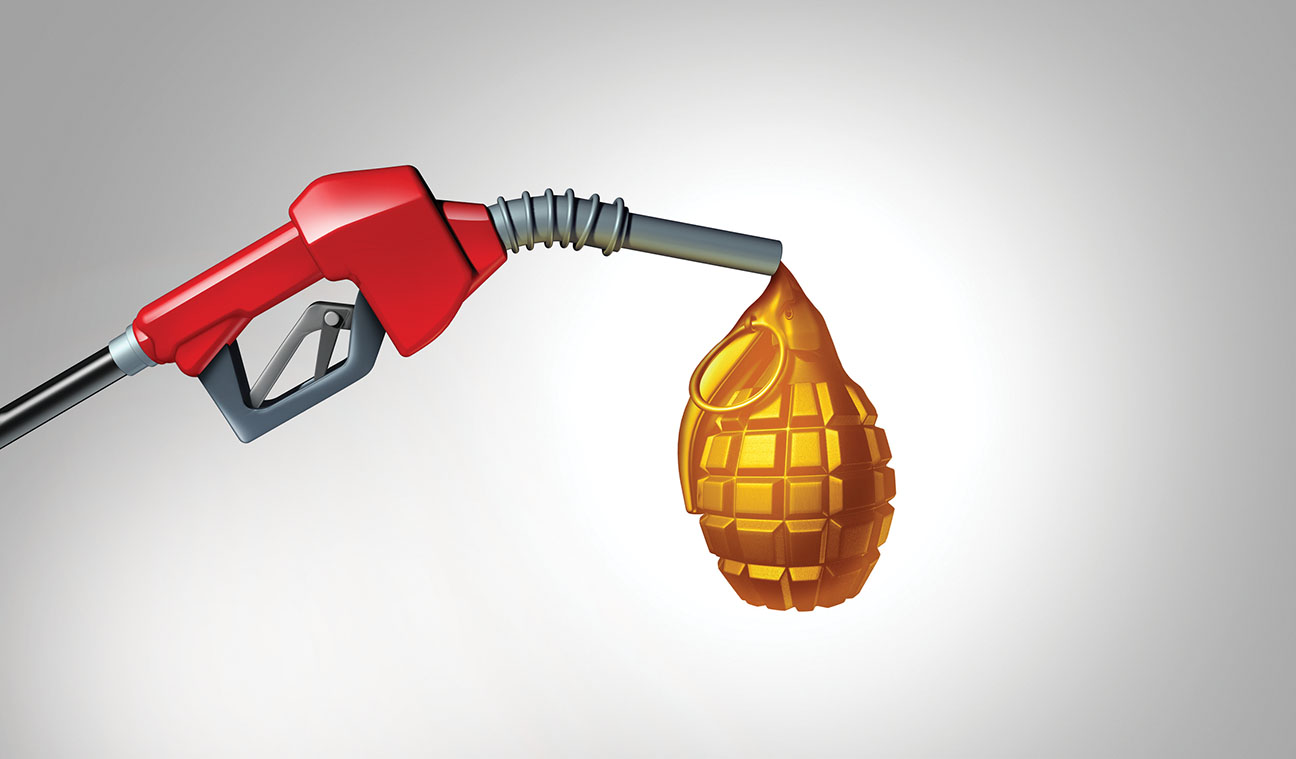
After Oct. 7, the sentiment in Israel toward the Iranian leadership was unequivocal: You went medieval — so we will go biblical.

How Sukkot Makes Us Whole

This year, I bless us that we open our eyes to truly see the beauty and the holiness of the world, and of the person before us at each and every moment, and to see the godliness of their aspirations and their fears.
The New Ushpizot

Ushpizin invite us to “welcome in our ancestral constellation and dwell amongst them.” This year, it’s Ushpizot, for the women. It’s the year of the Feminist Visitation.

Macklemore, Or Less

In between his songs, he proclaimed, “Free Palestine,” which is fine, asserted that opposing Israeli military actions is not antisemitic, which is accurate, and accused Israel of apartheid and genocide, which is offensive, untrue and hateful.

The Rokeach’s Remarkable Sukkah

To Rabbi Eleazar ben Judah of Worms (1176-1238), the medieval German pietist known as the Rokeach, the sukkah symbolized Jewish military might.

The Sukkah and the Power of Endurance

They can destroy our Temples, demonize us in social media, shower us with hate, but they can’t destroy a spirit that never stops building. That enduring spirit is the power of the sukkah.
NY Mag’s Habibi City

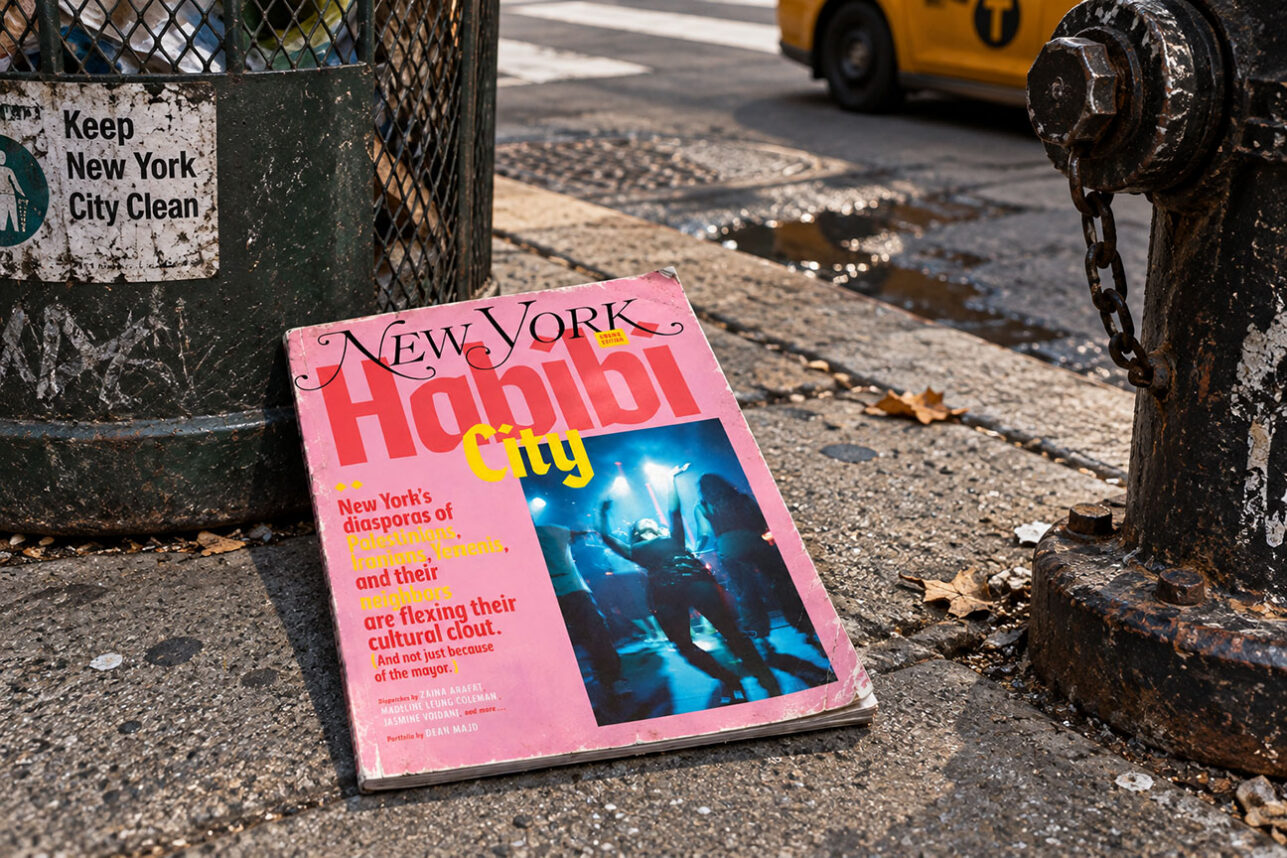
A satirical response to Zaina Arafat’s erasure of Jews in her New York Magazine article “Habibi City,” written as Zaina Arafat.

The ‘Fauda’ Enigma

In many of the nations that believe Israel has no right to exist and routinely root for terrorists to slaughter Jews, a TV show that depicts Israeli covert operatives outsmarting and dispatching Arabs has an inexplicably loyal global audience.


More news and opinions than at a Shabbat dinner, right in your inbox.