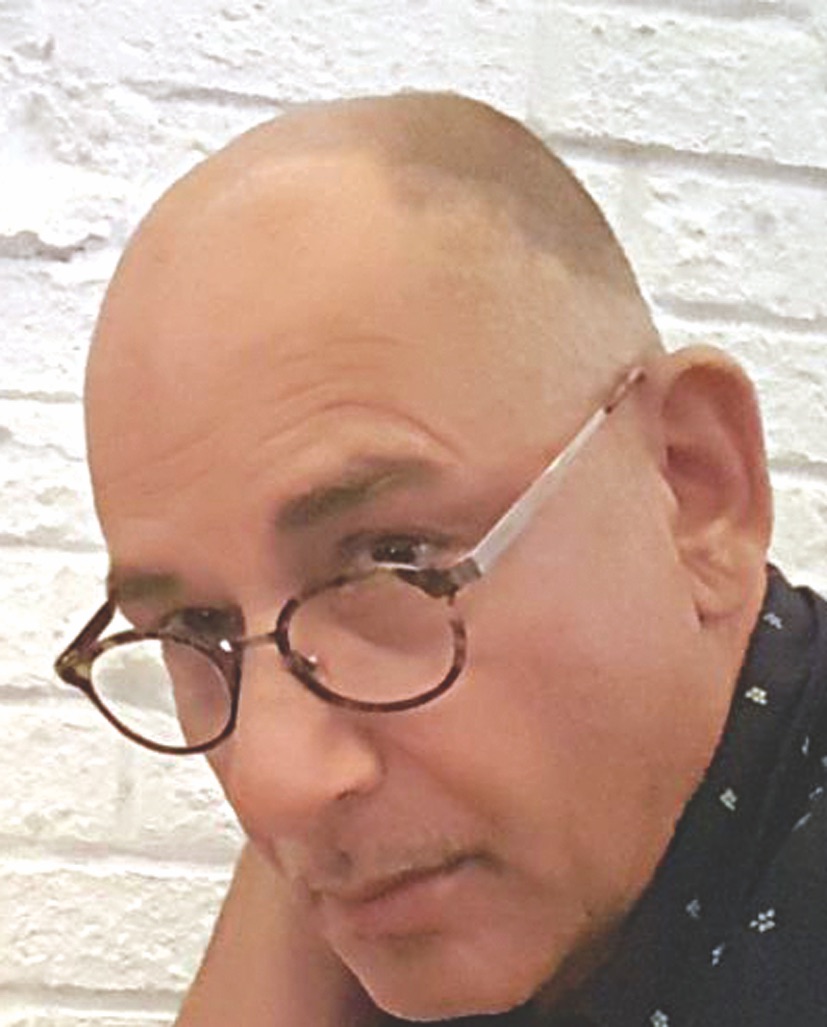
One week after the Parkland, Fla., slaughter of 17 students and teachers, Israeli security expert Oded Raz may have a solution for eliminating or reducing gun-driven high school campus massacres across America. No one must be allowed on campus without permission, he says. Security guards should be on every campus, and they should be locals. Security must be alert to recognize suspicious persons.
Raz is vice president of security for Shafran Consulting in Israel. Previously, he served as deputy head of the protection and security division for the Israeli Security Agency. He advises clients on strategic tactics for security preparedness.
Jewish Journal: How can America make high school campuses safer and halt the rash of mass shootings?
Oded Raz: Four things: concept, procedures, technology and manpower. We do it in Israel. It is not so expensive. Once you decide on the correct security concept, your plan must be tailor-made — separately — for each school.
JJ: What is the starting point?
OR: Because every campus is different, you must make a survey of the grounds. Determine what is going on in each area. Just as Los Angeles and New Orleans are not the same, no two high school campuses are.
The issue is culture. In Israel, we believe we must recruit the local population. Then the school must believe in the new concept and adopt it. When the community believes in this concept, the next step is how to protect the school.
“Once you decide on the correct security concept, your plan must be tailor-made — separately — for each school.”
JJ: Can you give us an example?
OR: First, you must decide that nobody — nobody — enters the school without permission. Second, you must locate security guards. It can be the local police or parents who volunteer.
JJ: Are you envisioning armed guards?
OR: No. I am not sure they would be necessary. If [a potential killer] wants to do something, the correct information can stop him. We want to catch him before he acts. When he collects information, he must be around his target. This is why, if we put security guards [who will comb the grounds] around the school before the day starts and before students go home in the afternoon, and make sure the area is clear, the students will be safe. Lunatics who kill innocent people just wait for a convenient time to shoot.
JJ: Is there a common “convenient time” or are there common patterns the killers use?
OR: Yes. Mostly they prefer crowded areas. When the school is closed, a terrorist cannot penetrate the area. Before the pupils enter the school, they are outside. So it is convenient for the terrorist to shoot them. It is similar to what happened at the airport in Istanbul [in 2016]. They started the security procedure at the airport’s front gate. Lots of people were waiting outside. The area was not protected enough. That is why the terrorist was able to kill many people.
JJ: What is the most critical skill for security guards?
OR: Procedures for how to search for suspicious people around the school. If everything is clear, you can let the students and teachers go inside. You do it a few hours before the school day begins.
JJ: How far in advance must the grounds be surveyed and declared safe?
OR: It depends on the habits of the people. As I mentioned before, security on each campus must be tailor-made to that school. When the guards know the atmosphere around the school, if somebody looks abnormal or is new to the area, they can point to him.
JJ: It looks as if no technology is needed — just a matter of following common-sense procedures. Yes?
OR: No, it is not just common sense. From time to time, students will bring weapons into the school. But we don’t want to “interfere” with the normal atmosphere of the school or normal habits of some students. There is lots of technology that can be used to identify weapons.
JJ: Is your employer doing any business in America?
OR: Shafran has been hired to survey [schools] in Colorado and Philadelphia in the next few weeks and develop a concept of how to protect their schools.