fbpx

Apple’s Siri technology to be offered in Hebrew

Apple’s voice-activated assistant technology, which is offered in 18 languages, will be offered in Hebrew.
[additional-authors]
January 12, 2016

Apple’s voice-activated assistant technology, which is offered in 18 languages, will be offered in Hebrew.

Siri, which stands for Speech Interpretation and Recognition Interface, will be able to speak Hebrew next month in the next version of Apple’s mobile operating system, Ynet reported Tuesday.

The beta version of the Hebrew Siri will not allow for searching of restaurants, movie theaters and other local destinations, the Times of Israel reported.

Siri is only currently available in various dialects of English, French, German, Italian, Spanish, Mandarin Chinese, Cantonese Chinese, Korean, Arabic, Danish, Dutch, Norwegian, Russian, Swedish, Turkish, Thai and Portuguese.

The technology, which responds to a variety of vocal requests, is available only on Apple devices.


Did you enjoy this article?
You'll love our roundtable.

Editor's Picks

Latest Articles

A Bisl Sukkot ~ Don’t Be Afraid, Go Outside

The sukkah reminds us to go out into the world, especially when the comforts of insularity beckon us closer—to explore paths we have yet to take and seek journeys ready for wandering.

A Harira Hug in the Sukkah

I love making soup for this holiday because even if the days are still warm, the cooler evenings make you start craving something warm and comforting.

The Beat Goes On

While so much of the world seems obsessed with and consumed by its hatred of Israel and Jews, Israelis continue to build, create, work, celebrate, argue, raise families, and plan for the future.

Viral AI Video Targets Jewish Comedian

“The biggest concern is that people now have a pathway to shut down Jewish voices through complete falsities that people will believe. … For the future of Jewish entertainment, it’s very scary.”

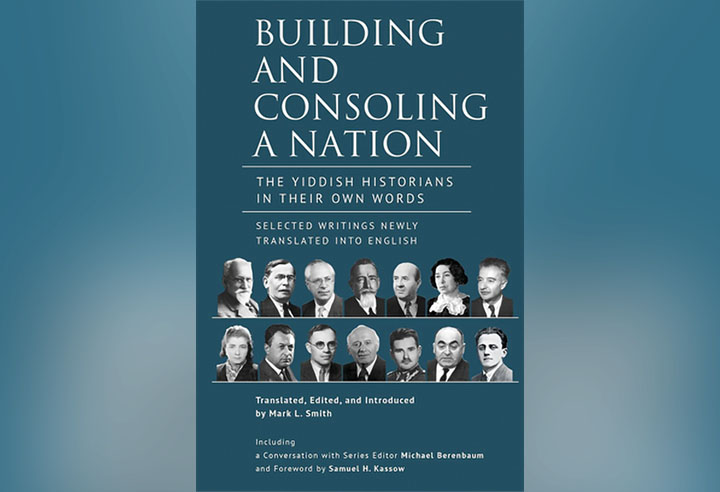
Yiddish Historians: Writing in Their Own Language for Their Own People

Mark Smith has compiled an important anthology of Jewish history using 49 works by Yiddish historians to recreate or at least open the door to a world of Jewish thought that was once almost mainstream, but which no longer exists, except in the minds of too few specialists.

The Everlasting Melody

Most Jews who have sung “Eitz Chaim” over the past half-century probably never knew Portnoy. They did not know when he wrote the melody or how young he was when he composed it. They simply knew the song.

More news and opinions than at a Shabbat dinner, right in your inbox.