It’s hard to believe that Dwora Fried — a native Austrian with unruly, fiery red hair, a lesbian, world traveler, mother of four and daughter of a Holocaust survivor — is able to create artwork just as complicated, dynamic and vivacious as herself, all within a wooden box that’s only 31 centimeters wide, 21 centimeters high and 8 centimeters deep.
Each box is open on one side, revealing a complex scene within.
In one, chairs hang from the ceiling and walls, a young boy in a Nazi salute stands in an open door with his pants down, a young girl stands behind a screen, and slippers sit on the floor.
Fried prefers not to discuss her work because she believes everyone should interpret the art in his or her own way, but every box has a story with meaning to the artist.
The Hancock Park resident recently had her artwork displayed in the Museo Ebraico di Venezia (the Jewish Museum of Venice) in the New Ghetto of Venice, Italy, as the exhibition “Outsider in a Box.” The show ran from June 2 to Sept. 12. Next, it will move to Vienna, where it will be on display at the Galerie Benedict from Oct. 17 to Dec. 17.
Born in the Austrian capital, Fried has been creating art for as long as she can remember. After growing up in Vienna, she moved to Israel in 1968, attending Tel Aviv University and Avni Institute of Art and Design, getting married and raising two children. In 1978, Fried moved to Los Angeles and met her current partner. The two celebrated their 32nd anniversary on Aug. 22.
Fried has always focused on her artwork, but also spent some time working at Jewish Family Service of Los Angeles. Fried said it has taken her 62 years to finally fully dedicate herself to her art.
Fried said she gains artistic inspiration from her background. Her recently deceased mother was sent to the Nazi death camp Auschwitz at the age of 11, stripped of any real childhood or innocence. She was later liberated in Bergen-Belsen after walking what was known as a “death march.” Then, weighing close to 70 pounds, she was hospitalized with typhus.
Fried’s mother moved to Israel after the war with her sister and brother-in-law, eventually meeting Fried’s father and moving to Vienna, where she lived until her death in April 2013.
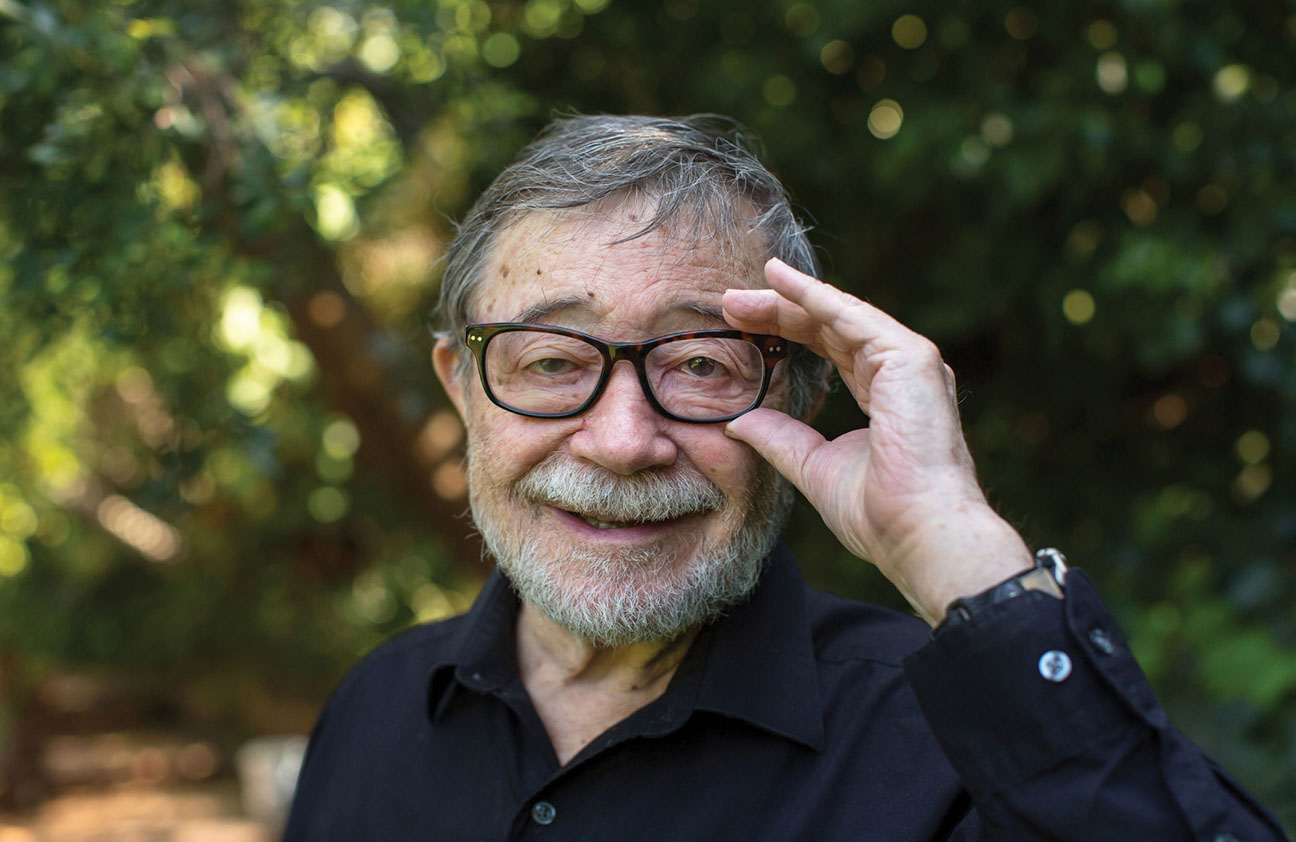
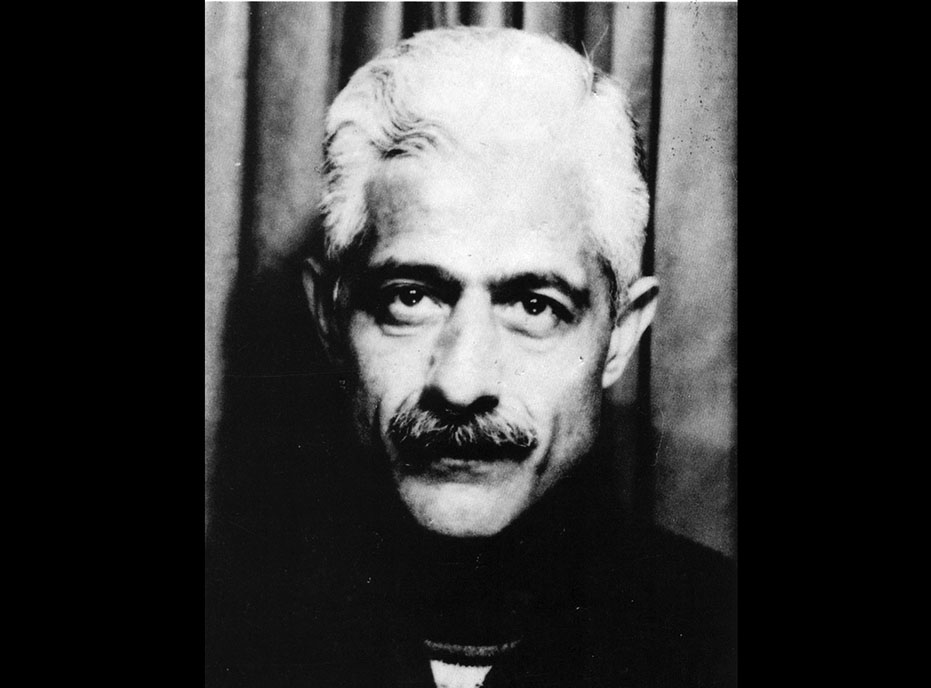
 Dwora Fried
In honor of her mother’s lost youth, Fried searches flea markets around Europe for kids’ toys from the 1940s and ’50s. Old toys, dolls, miniature figures and other children’s paraphernalia often appear in Fried’s work.
There are specifically Jewish undertones, too. For Fried, Judaism is connected to the Holocaust — a negative connotation to her religion that creates a certain inner struggle.
“What I’m trying to express is the dichotomy between growing up Jewish and having Judaism really be muffled by all the stuff that was connected to it,” Fried said.
As a result, Fried said she’s never felt any real sense of belonging anywhere during her life.
“I keep re-creating the feeling of what it was like growing up. That’s pretty much it, even when I do stuff that has nothing to do with my childhood per se, I can recognize that feeling of impending doom, not belonging, a kind of anxiety.”
Fried said as a child she felt she had to tiptoe around her mother, afraid if she asked the wrong question her mother might keel over from a heart attack and die.
In part, this anxiety explains Fried’s choice of a box as the vehicle for her art. She said the box can portray a lot but also captures the claustrophobic feeling a painting can’t, as it exceeds two-dimensional limits and has a foreground and background someone can touch.
Having lived in Vienna, Tel Aviv and now Los Angeles, Fried said she still searches for the feeling of home. Her art, she said, reflects this inability to handle a part of her identity.
Despite this struggle, she may have found a temporary solution in her work.
“I always used to see my friends being patriotic or religious or having some kind of thing that they belonged to, and I never had that feeling,” Fried said. “Doing art makes you belong to whatever you’re doing at that moment. I belong to my art.”