fbpx

Valley Festival Draws Thousands

\"More booths, more vendors, more of everything\" is how festival co-chair Nancy Parris Moskowitz described this year\'s Los Angeles Jewish Festival.
[additional-authors]
September 11, 2003

It was a sunny day in Woodland Hills — perhaps a little too sunny — but the heat did not stop the 11th biennial Los Angeles Jewish Festival from creating some heat of its own.

"More booths, more vendors, more of everything" is how festival co-chair Nancy Parris Moskowitz described this year’s gathering, sponsored by The Jewish Federation/Valley Alliance and a host of Jewish organizations and corporate sponsors, which attracted a multiethnic group of some 30,000 people throughout the day. Moskowitz also welcomed the festival’s return to the Pierce College campus, where attendees benefited from "good parking, lots of access and lots of shade."

Ken Warner, Valley Alliance president, was proud that the festival’s $125,000 price tag "is not costing The Federation any money. We did this by asking businesses to contribute."

In keeping with this year’s social action theme, "World Jewry," Becquie Kishineff, who went on a mission to Argentina last November, enlisted the graphic art services of an unemployed Argentine Jew she had met for a special Jewish unity-themed jigsaw puzzle project sponsored by the Valley Alliance.

"He spent hundreds of hours working on it but he didn’t want to accept any money," Kishineff said. "There are people out there who still want to give."

And the festival gave its all in reflecting the diversity of Jewish Los Angeles. Among those occupying booths: Assemblyman Paul Koretz (D-West Hollywood) and Rep. Brad Sherman (D-Sherman Oaks); organizations and nonprofits of every stripe from the Anti-Defamation League to StandWithUs and Million Mom March; Yiddish and Jewish culture societies; and grass-roots clubs, such as the Pomegranate Guild of Judaic Needlework.

"Part of our mission is to have a visible presence in the community," said Bill Rice of GaySantaBarbara.org, which hosted the Gay Cafe alongside food kiosks Klassic Knishes and Kosher Connection.

Judaica and art vendors ranged from a Shop for Israel shuk to local artists. The Main Stage showcased live music all day long, and kids had plenty of activities to choose from — everything from rock-climbing and Family Stage entertainment, to the Temple Beth Torah of Mar Vista booth, which offered kids a respite from the heat with some storytelling. Keith Levy, director of programs at Congregation B’nai Emet of Simi Valley, showed children such as Abby Leven, 10, of West Hills, how to play the shofar just in time for Rosh Hashanah.

Abby’s father, Paul Leven, who also brought his wife, Saralyn, and 12-year-old son, Aaron, summed up the festival’s appeal: "We like to see our friends and to check out the booths."


Did you enjoy this article?
You'll love our roundtable.

Editor's Picks

Latest Articles

The Beat Goes On

While so much of the world seems obsessed with and consumed by its hatred of Israel and Jews, Israelis continue to build, create, work, celebrate, argue, raise families, and plan for the future.

Viral AI Video Targets Jewish Comedian

“The biggest concern is that people now have a pathway to shut down Jewish voices through complete falsities that people will believe. … For the future of Jewish entertainment, it’s very scary.”

Yiddish Historians: Writing in Their Own Language for Their Own People

Mark Smith has compiled an important anthology of Jewish history using 49 works by Yiddish historians to recreate or at least open the door to a world of Jewish thought that was once almost mainstream, but which no longer exists, except in the minds of too few specialists.

The Everlasting Melody

Most Jews who have sung “Eitz Chaim” over the past half-century probably never knew Portnoy. They did not know when he wrote the melody or how young he was when he composed it. They simply knew the song.

Who’s Really the Victim?

Those who would revel in Israel’s demise are claiming victimhood on every front and denying attacks on us in the same breath.

Biblical Deterrence

After Oct. 7, the sentiment in Israel toward the Iranian leadership was unequivocal: You went medieval — so we will go biblical.

How Sukkot Makes Us Whole

This year, I bless us that we open our eyes to truly see the beauty and the holiness of the world, and of the person before us at each and every moment, and to see the godliness of their aspirations and their fears.

The New Ushpizot

Ushpizin invite us to “welcome in our ancestral constellation and dwell amongst them.” This year, it’s Ushpizot, for the women. It’s the year of the Feminist Visitation.

Macklemore, Or Less

In between his songs, he proclaimed, “Free Palestine,” which is fine, asserted that opposing Israeli military actions is not antisemitic, which is accurate, and accused Israel of apartheid and genocide, which is offensive, untrue and hateful.

The Rokeach’s Remarkable Sukkah

To Rabbi Eleazar ben Judah of Worms (1176-1238), the medieval German pietist known as the Rokeach, the sukkah symbolized Jewish military might.

The Sukkah and the Power of Endurance

They can destroy our Temples, demonize us in social media, shower us with hate, but they can’t destroy a spirit that never stops building. That enduring spirit is the power of the sukkah.

NY Mag’s Habibi City

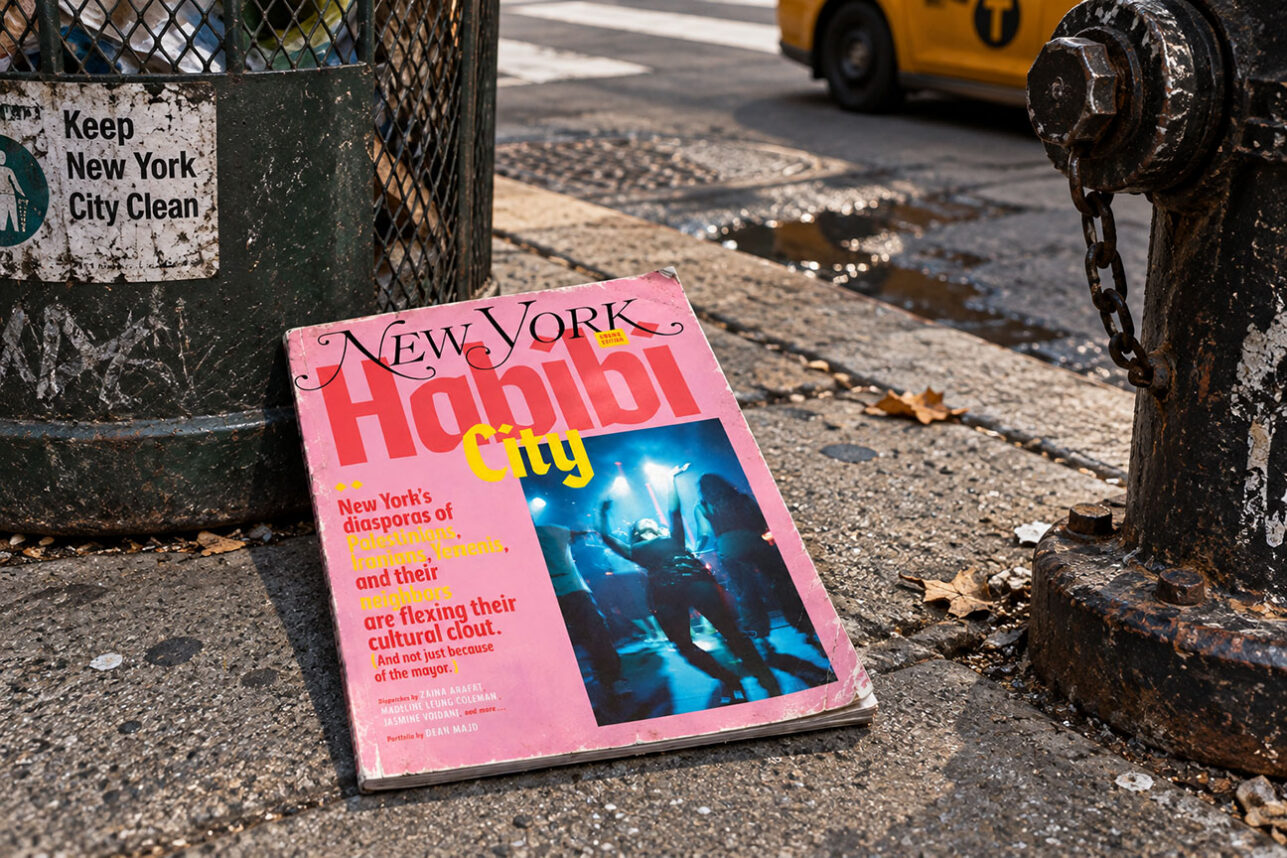
A satirical response to Zaina Arafat’s erasure of Jews in her New York Magazine article “Habibi City,” written as Zaina Arafat.

The ‘Fauda’ Enigma

In many of the nations that believe Israel has no right to exist and routinely root for terrorists to slaughter Jews, a TV show that depicts Israeli covert operatives outsmarting and dispatching Arabs has an inexplicably loyal global audience.

More news and opinions than at a Shabbat dinner, right in your inbox.