At tashlich, I always find a place on the edge of the circle in whose center stands my wife.
My wife, Rabbi Naomi Levy, is the one leading the event, and she stands surrounded by concentric circles of congregants who have come to Venice Beach on the first day of Rosh Hashanah, the Jewish New Year, to observe one of Judaism’s most ingenious ancient rituals.
I call them congregants, but many actually aren’t. They see a crowd dressed mostly in white, or hear the beat of drums, or the sound of the shofar, or maybe Naomi’s voice, and like passersby drawn to a restaurant by the smell of barbecue, these people who didn’t even know they were spiritually hungry leave the Venice Boardwalk behind and tread across the sand toward us. Soon, there are 1,000 souls, and more keep coming.
At the edge of the circle, I can hear them as they approach.
“Oh, that’s that horn thing,” a young woman in a Speedo bikini points to the shofar.
An Israeli turns to his friends as they walk their rented bikes across the sand. “Ma zeh, Yehudim?” “What’s that, Jews?”
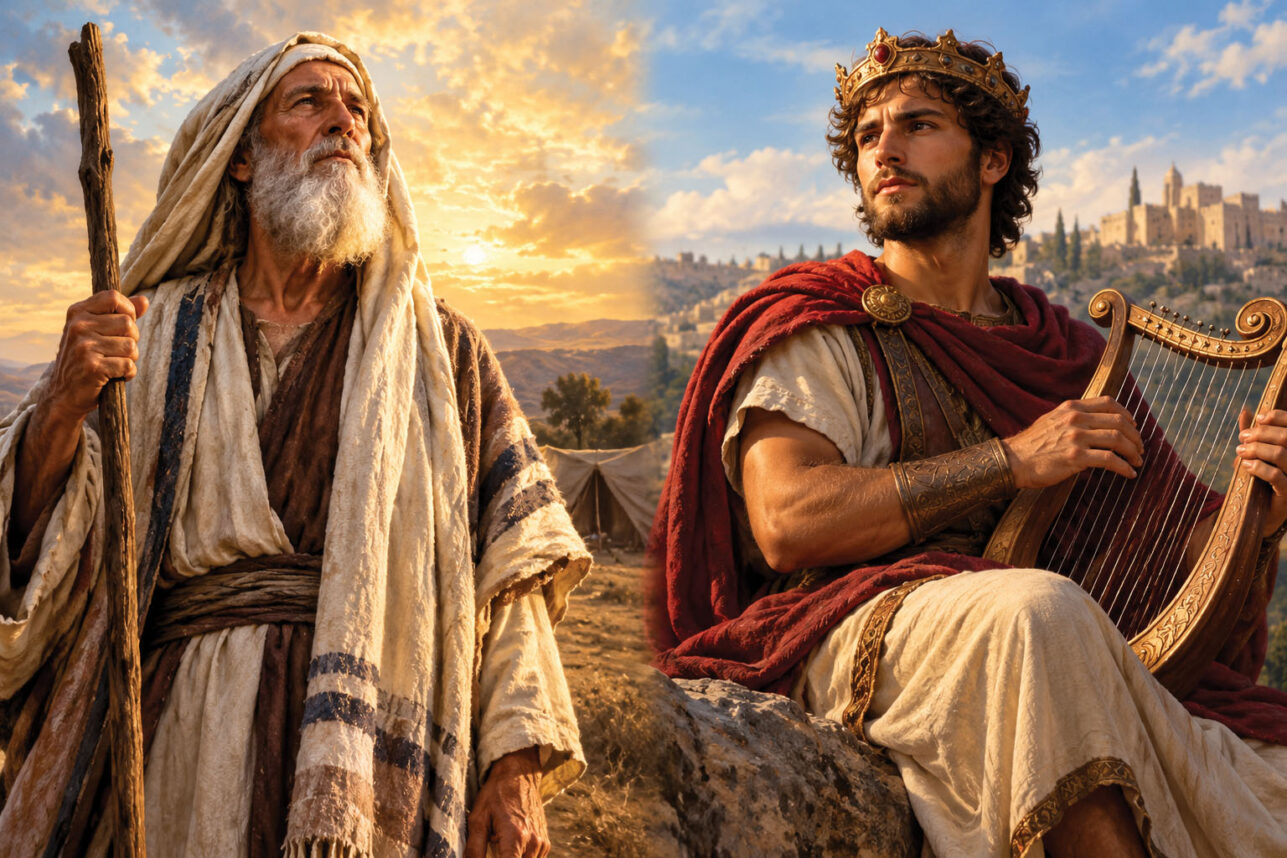
I called tashlich ancient, but it really just feels that way. There’s no mention of it in Jewish literature until the 13th century, which by Jewish standards makes it cutting edge. At some point, Jews took the words of the prophet Micah from the Rosh Hashanah liturgy to heart: “And You will cast all their sins into the depths of the sea.” Tashlich is Hebrew for “You will cast.” They decided to find the nearest body of free-flowing water in which to throw breadcrumbs.
Rabbinic authorities resisted the ritual. They worried Jews would assume the act itself had magical powers and so refuse to do the more important work of repentance and change. But standing on the fringe of this massive group, breathing the sea air, watching gulls bank and soar overhead — I can see why the rabbis’ objections didn’t stand a chance. Add a drum circle — hundreds of people beating, rattling and shaking to a rhythm that seems to rise from the sea itself — and I can also understand the rabbis’ fear: It is magical.
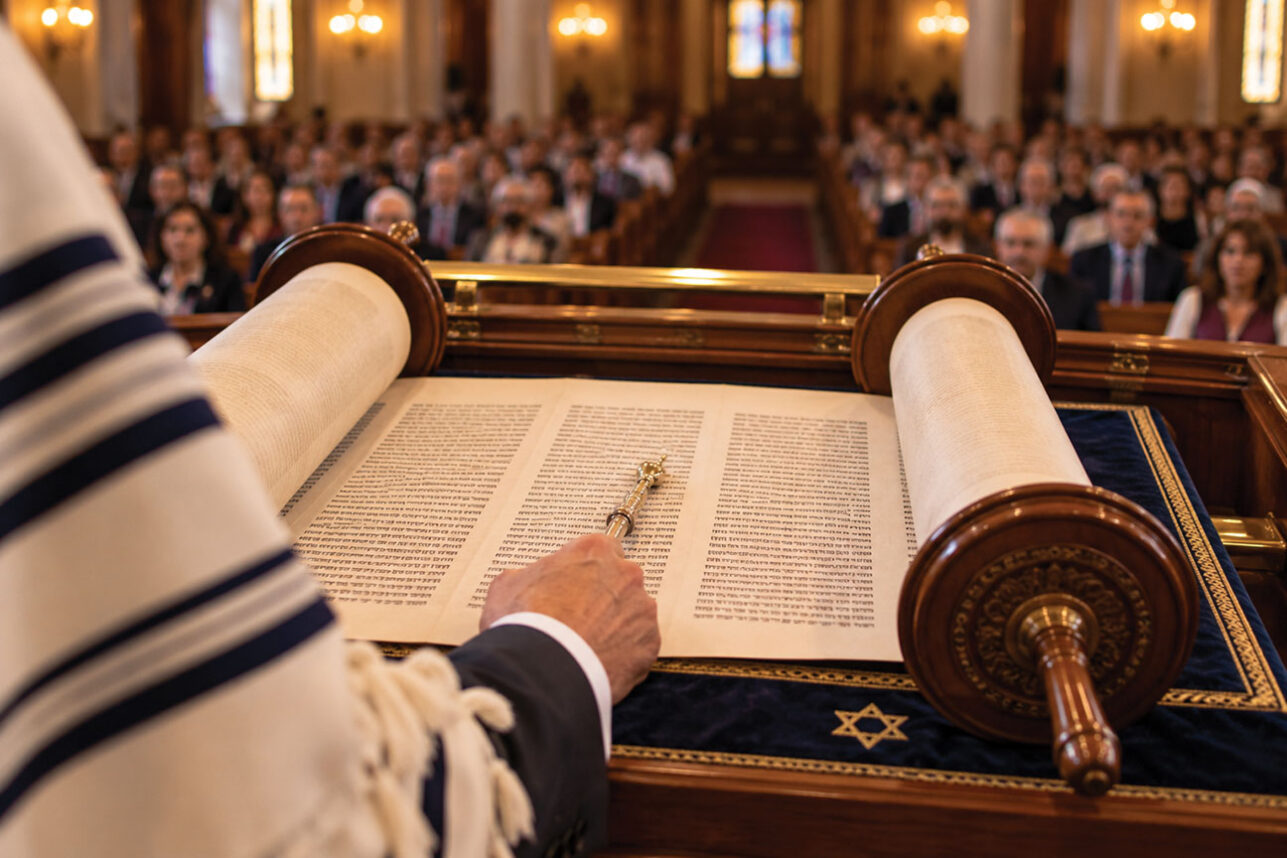
The irony of the High Holy Days is that too many of us spend hours we don’t have praying in a language we don’t understand to a God we don’t believe in. Tashlich is the better way in: It just asks us to go outside, find some water, let go.
Still, I stay on the edge, a spiritual diffident. Partly because, as much as I love the music, I’m not that guy who gets lost in the vibe. On a good day, I can stay on beat about a third of the time. If there’s any actual harmonizing involved, trust me, you want me outside your circle.
But from the edge I can take in the scene. I watch my wife in her element, singing, leading prayer, lifting souls. So much of what we pray for on the Days of Awe is to return to whom we truly are, to what we are meant to be. I watch her and see exactly what that means.
The drumming stops. The shofar blows. We head down to the water.
People who brought bread pass their extras to the newcomers. The tide is always out. It’s Venice, so it’s always beautiful. The first group of seagulls has now attracted a hungry swarm.
The waves crash, thin down, and rush over bare ankles. Kids screech in delight. I recite blessings from a Xeroxed sheet, then, with my best heave, I arc a stale slice of bread toward the foam. Sometimes a seagull will wheel down and snatch it in midair. If that happens, I wonder, does it count?
Doesn’t matter, I decide. The rabbis didn’t like tashlich, leaving the rulebook to the folk. I’ve read that the Chasidim of Galicia made little rafts of straw, set them on fire, and pushed them into the water, so their sins would burn and sink. The Kurdish Jews leapt fully clothed into the sea, so their sins would wash away. Every year I think I’ll just jump in the water myself. Every year I decide rather than swim publicly at dusk, I’ll swim the next day, alone, at dawn.
A thousand people fan out along the shore. Some are alone, some are hand-in-hand. Some hold their small children, letting them toss crumb after crumb to invisible fish. Whatever noises the waves make, the shofar blowers lined up at the water’s edge send them back out.
By now, the sun is setting low. I find a bit of solitude closer to the break. The ocean stretches to the horizon. Soggy heels of rye and shreds of goopy challah graze my calves.
I think of the prophet Jonah, whom God cast into the sea like so much bread. Jonah was not drowned, but returned to shore, transformed.
One big breath — inhale, exhale — and I am exactly where I need to be. Right in the center. Amen.
Shanah tovah.
ROB ESHMAN is publisher and editor-in-chief of TRIBE Media Corp./Jewish Journal. Email him at robe@jewishjournal.com. You can follow him on Instagram and Twitter @foodaism and @RobEshman.