Put yourself in the shoes of an Israeli mother whose son was killed while serving in the Israel Defense Forces (IDF). On television, you watch close to half a million Ultra-Orthodox Jews demonstrate last Sunday against a bill that would force some of them to serve in the IDF, which is mandatory in Israel. The Charedi demonstrators want their special exemption from army service to continue, because they believe that studying Torah is more important.
If you’re that mother who suffered a tragic loss, how does watching that demonstration make you feel about Torah study? Would you want to ask: Why should my boy die defending his country while other boys are safe and protected because they study Torah?
In other words, why should studying Torah be a pretext to avoid fulfilling one’s obligation to the state?
It’s a legitimate question, and any of my Charedi friends who pretend otherwise are living in denial.
[The Charedi draft debate: Dr. Irving Lebovics responds /
Knesset passes Charedi draft law / Community response]
Whenever Charedim tell me that studying Torah provides a sort of “spiritual protection” for the state, here’s how I reply (only half in jest): “OK, you give the state spiritual protection, and in return the state will give you spiritual dollars.”
They hate when I say that, because they know that spiritual dollars won’t pay their rent or buy groceries for Shabbat.
Somehow, when it comes to money, Charedim become very secular. To protect the millions they get from the state, they lose all vestige of insularity. In Knesset committees and other secular venues, they will gladly sit next to women in miniskirts and play bare-knuckle politics if it means more money for their yeshivas.
They’re no fools. They know the value of hard, cold, secular cash.
Well, the average Israeli is no fool, either.
Israelis know well the value of serving in the IDF and defending the state. Just as “spiritual dollars” can’t buy groceries, they know that a book of Talmud can’t kill a terrorist.
It’s not enough to point out that, at the creation of the State of Israel, Prime Minister David Ben-Gurion himself decided to exempt a few hundred Charedim from serving in the army. When something is wrong or unjust, it doesn’t matter who started it.
What matters is that it gets fixed.
Ironically, the “fix” that Charedim were demonstrating against on Sunday is as hard-nosed as a wet noodle. The new Knesset law grants tens of thousands of Charedim an exemption from service immediately (all those 22 and older) and, in the future, many thousands more. Future quotas of how many must serve are so small that they’ve become the object of ridicule.
“Even the [C]haredim are laughing,” Meretz MK Ilan Gilon wrote on Facebook on Sunday. “It’s no coincidence that hundreds of thousands took to the street to pray. They’re expressing thanks, because this is what they hoped for. This bill will allow a mass of [enlistment] exemptions in the next decade and surely will not increase the percentage of [C]haredim in the IDF.”
The Charedi argument that they’re protesting only the enforcement clause of the law (jail time for lawbreakers) is undermined by their many public statements against the very idea of serving in the IDF and in favor of the supremacy of Torah study.
Their other argument, that there already are wonderful exceptions — Charedim who are serving in the IDF and others who would like to — is undermined by the very fact that these are exceptions.
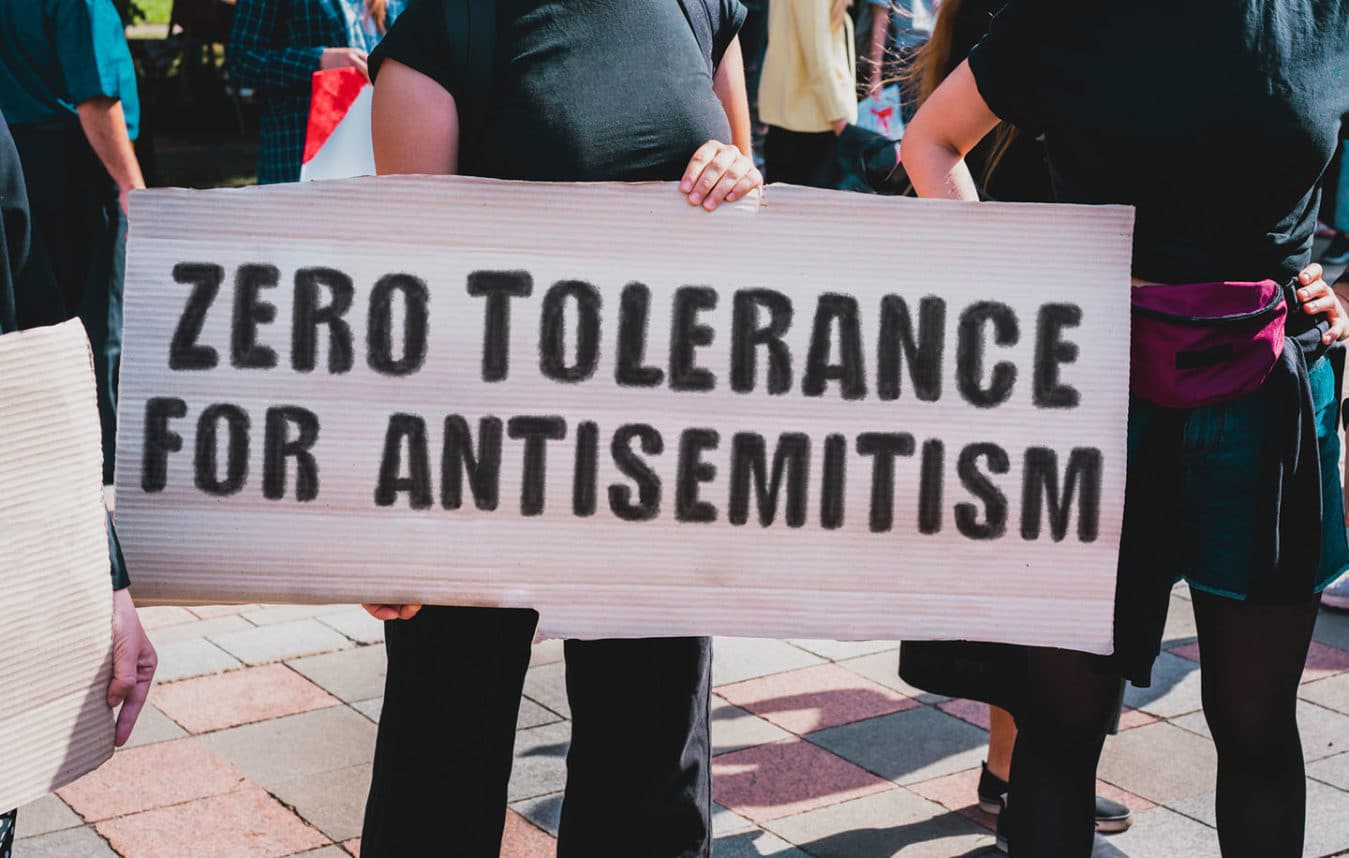
Yes, the new bill may be lame and heavy-handed, but that’s also no excuse. Bill or no bill, the bottom line is that when you have half a million religious Jews demonstrating against fulfilling a vital civil obligation, you have a big chillul HaShem — desecration of the name of God — on your hands.
[Community response to David Suissa on Charedi draft]
Charedi leaders who urged their masses of followers to hit the streets on Sunday should have known better. They should have known that any time you have a public gathering of religious Jews, chillul Hashem and kiddush HaShem — sanctification of God’s name — hang in the balance.
Do something noble and you honor God’s name.
Do something distasteful and you dishonor His name.
For the great majority of Israelis, the notion of refusing to share in the burden of defending the country is not just distasteful, it’s unjust.
This obligation to defend the country is not an attack on the Torah — just the opposite. Learning Torah and defending the country are not mutually exclusive. Combining both is a living example of kiddush HaShem.
Think about it: If learning Torah all day leads to intolerance, insularity and a disconnection from your fellow Jews, how is that honoring the Torah? And if learning Torah leads to animosity toward Israel, a refusal to fulfill civil obligations and an absence of gratitude, how is that honoring the Torah?
The 500,000 Charedim who demonstrated in Jerusalem had an opportunity to create a big kiddush HaShem — and they missed it. Instead of proudly holding up signs that said, “We will not take part in the Zionist army,” they should have held up signs that expressed the Jewish value of gratitude: “Thank you IDF for protecting us.”
It’s the least they could have done for all those Israeli mothers who lost sons in that Zionist army — sons who fought to protect all Israelis, even those without enough Torah wisdom to say thank you.