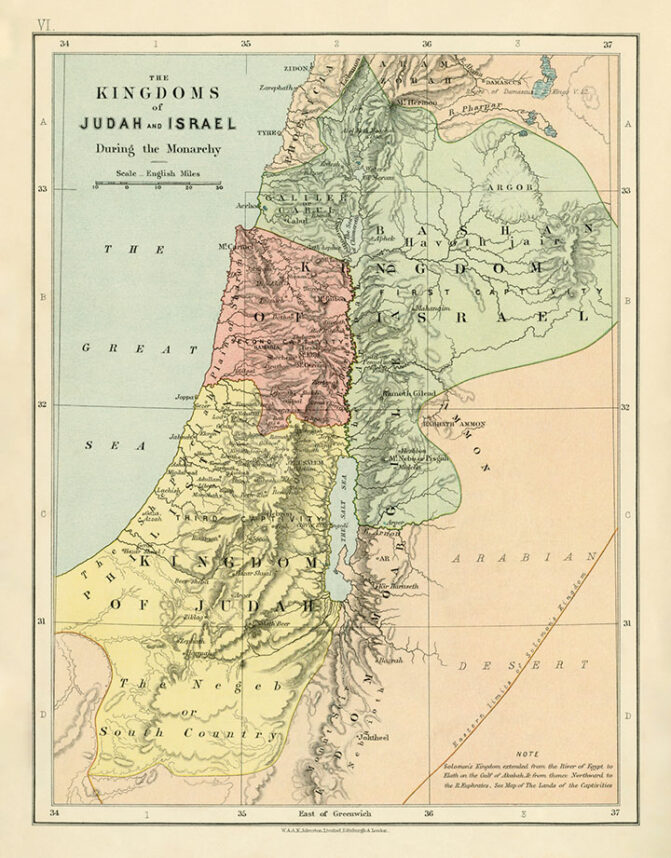
At 4:00 in the afternoon, sixty-three years ago today, Zionist leader David Ben-Gurion took to the podium in the auditorium of the Tel Aviv Museum to make a bold and historic announcement. The preceding days had been filled with often difficult deliberations among Zionist leaders over whether to move ahead with it in the face of American opposition. Eventually, Ben-Gurion garnered enough support among his colleagues to carry the day. On May 14, the fifth of Iyar in the Hebrew calendar, he stood and declared with a sense of historical moment: “We hereby proclaim the establishment of the Jewish state in Palestine, to be known as the State of Israel.” For Ben-Gurion and fellow Zionists, this announcement brought to an end the millennial aspiration of “Jews…in every successive generation to re-establish themselves in their ancient homeland.”
Less than a month ago, an assembly of dozens of Israeli intellectuals, scholars, and public figures gathered in the same spot to declare their support for recognition of a Palestinian state. Just as the land of Israel was “the birthplace of the Jewish people,” so too the land of Palestine was “the birthplace of the Palestinian people.” The time had come, they insisted, to end the decades-long struggle of the Palestinians to achieve national self-determination in their own state.
Indeed, the time has come for the State of Israel, the American government, and the American Jewish community to rally behind the flag of Palestinian independence. Skeptics would say that the instability of the “Arab spring”—punctuated by the tentative reconciliation of Hamas and Fatah—makes such a call tantamount to Israel’s suicide. Chief among them, Israeli Prime Minister Netanyahu does all within his power to forestall any significant change in the status quo.
But neither time nor justice is on the side of those who resist Palestinian independence. It will come about, now or later, bloodlessly or violently. Both Israel and America should join the growing number of countries the world over which endorse Palestinian statehood—and for a variety of principled and tactical reasons.
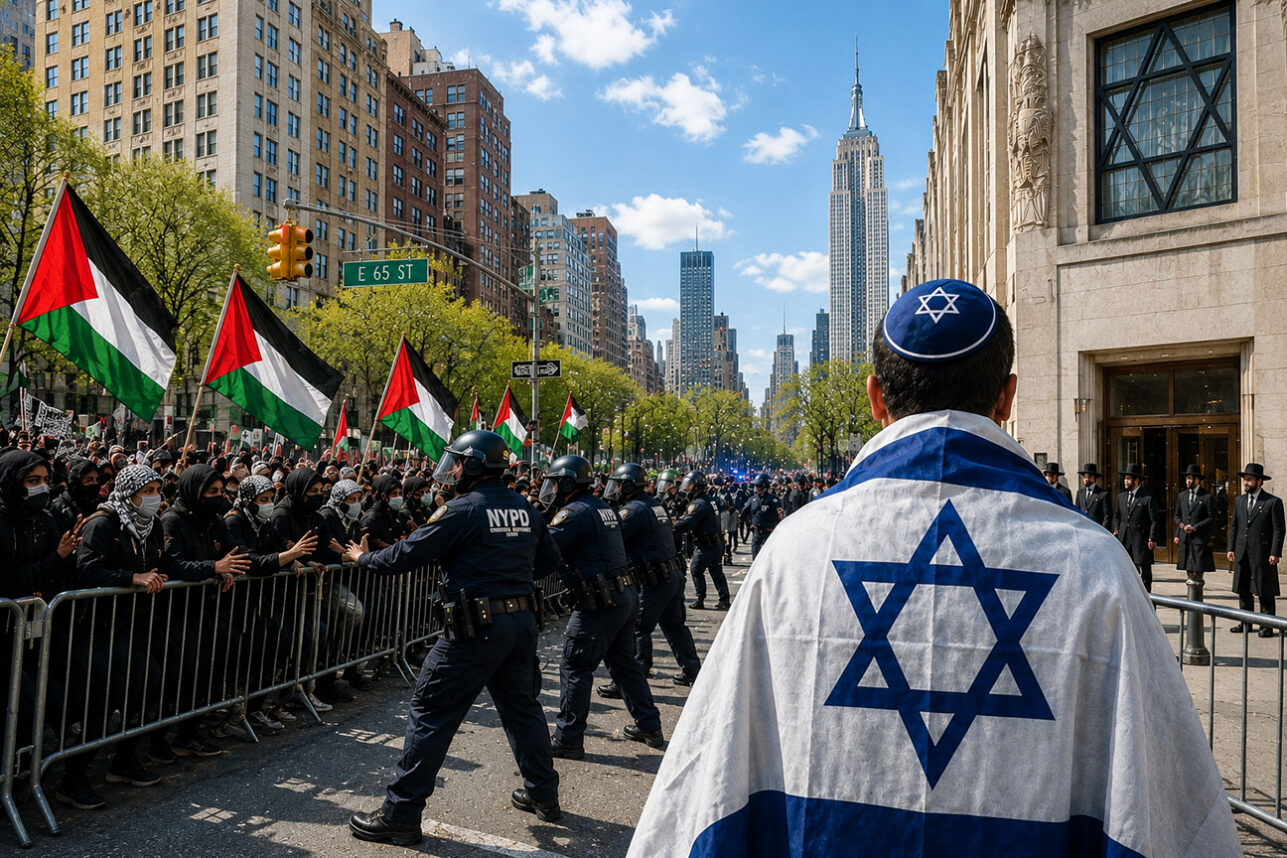
First, an Israeli-American initiative to endorse statehood would require the Palestinian side to assume responsibility and control over its own destiny. Israel would no longer find itself in its usual beleaguered state, warding off accusations of apartheid while that its forty-four year occupation of the West Bank continues. American, for its part, would escape the usual condemnation it faces in the Arab and Muslim worlds for doing little to advance the peace process and Palestinian cause. Meanwhile, support for statehood, which is expected to be discussed at the United Nations in September, would place the newly reconciled Palestinians at a crossroads: Either they, and especially Hamas, accept Israel and the idea of a two-state solution. Or the ongoing effort to gain UN recognition of statehood would be exposed as insincere, misguided or premature.
Second, Palestinian statehood is an essential condition of Israel’s survival as a Jewish state. To the extent that this remains an ideal for most Israelis and their decreasing numbers of friends in the world, then disengagement from the West Bank and the rise of an independent Palestine must proceed without further delay. The longer Israel retains its entrenched network of settlements in the occupied territories, the more unlikely it is that it will ever be able to uproot them. And if it is unable to uproot the settlements, then the land between the Jordan River and the Mediterranean Sea will become one polity, in which Jews will soon be outnumbered. At that point, Israel would be able to survive only by dispensing with the pretense of democracy.
Third, and most important, supporting Palestinian statehood is just. The Zionists fulfilled their grand goal of returning the Jewish people from exile to homeland. In the course of the Jews’ own drive toward statehood in 1948, the Palestinians were sent from homeland to exile. They have dwelt in their own stateless condition ever since. Israel is not solely responsible for this predicament; the Arab states, the international community, and Palestinian leaders all share in the blame. But Israel can and must play a major role in rectifying the historical injustice done to the Palestinians, who deserve to live in peace, security, and economic prosperity.
To declare its support for Palestinian statehood in the current environment is a calculated risk for Israel. But it is the right and just thing to do. And it is among the best of the dwindling policy options available to Israel to escape the current morass.
Today, sixty-three years after the State of Israel was founded, we are reminded of the possibility of national revival. The lessons of Israel’s own triumph must now be applied to those with whose fate it is inextricably entwined: the Palestinians.
David N. Myers teaches Jewish history and chairs the History Department at UCLA.