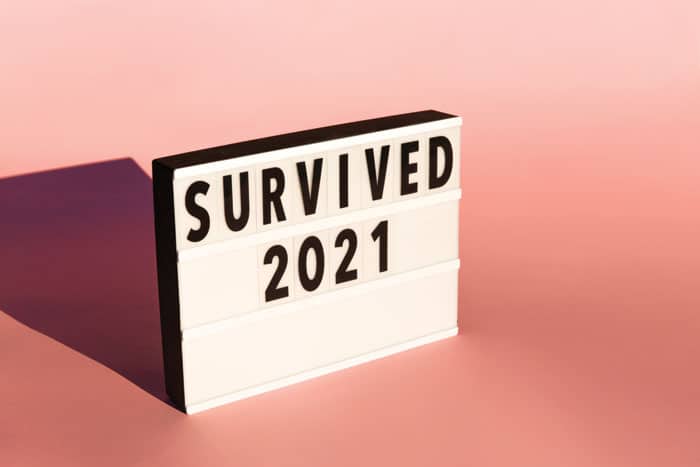
During the madness of 2020, I wrote a column wondering whether that year would go down as our longest, most exhausting ever.
“It’s not hyperbole to wonder if we’ll ever see another year like 2020,” I wrote.
“We kicked off the year with the impeachment of a U.S. president…Then, we were invaded by a lethal virus that shut down most of the planet…[Then] a cruel act of police violence set off what The Washington Post called ‘the broadest protest movement in American history.’ And lest we forget, we have a presidential election coming up in November that many consider the most consequential of our times.
“Epic on top of epic on top of epic. When do we catch our breath?”
Last year’s Hanukkah miracle of a COVID vaccine and the election of a decent moderate like Joe Biden gave us hope that maybe, just maybe, 2021 would be the year we would catch our breaths and lick our wounds.
Sadly, and incredibly, it looks like 2021 has outdone even the epic madness of 2020.
First, on January 6 we saw the stunning invasion of the U.S. Capitol by Trump supporters. Then, the miracle vaccine ended up being weaponized and politicized and, in many ways, divided our nation. Clumsy and incompetent management from our government, draconian mandates, misinformation on social media and new variants like Delta and Omicron poured oil on the national fire.
Meanwhile, after a triumphant President Biden declared on July 4th that America had achieved “independence” from the coronavirus, we still ended up with more COVID deaths in 2021 than in 2020.
Our souls were dying, too. The invisible cost of the pandemic is the alarming rise in loneliness, isolation and depression, especially among the elderly, but also among teenagers, where we’ve seen a troubling rise in suicides. This only got worse in 2021.
We’re now beyond COVID exhaustion. We’re sick and tired of being sick and tired.
We expected so much more from 2021. But miracles like the COVID vaccine and Zoom turned out to be more complicated than we thought. We now have a virus that is making itself at home, mutating so brilliantly that it is matching our own resilience.
This hasn’t stopped the riveting news cycle. In the wake of an explosion of violence across major cities, the “Defund the Police” movement that started in 2020 morphed into “Please Bring Back the Police” in 2021. Why? Because fear is bipartisan.
You know that’s true when even the wokiest mayor of the bluest of cities, San Francisco, calls for “more aggressive policing.”
Similarly, the well-meaning goal of eradicating racism morphed into the erosion of the great American ideal of a colorblind society, where one is judged by the content of one’s character rather than the color of one’s skin. Today, you risk being called a racist simply for mentioning that.
The fear of being called a racist, or any kind of bigot, only got worse in 2021, making a joke of the First Amendment. Twitter mobs bullying those who say the “wrong” things are effectively using their free speech to silence the speech of others and, at times, even “cancel” their careers. Is it any wonder so many people are choosing to keep their mouths shut?
In the Jewish world, our temples continued to tremble. With the Delta variant and now Omicron, the return of large crowds to our temples is a distant dream. Most people in non-Orthodox streams are perfectly happy attending services from home via Zoom, especially if they see it as the safe choice.
The problem is that people who stay at home tend to not renew their memberships, or donate as much, which is exacerbating the dilemma for congregations: The more they improve their online programming, the more they encourage congregants to stay home. The limitations of the online model will shake and challenge the organized Jewish world in the coming year and beyond.
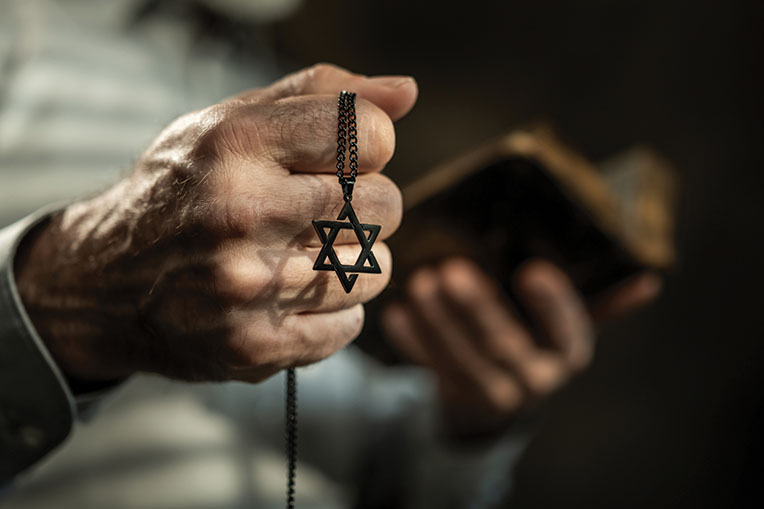
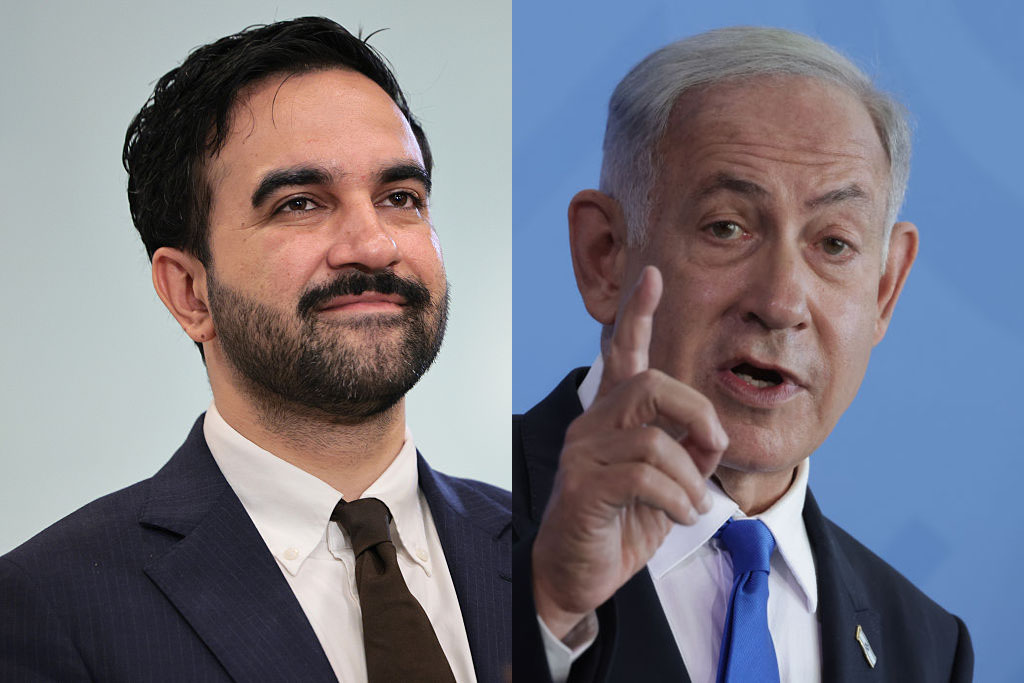
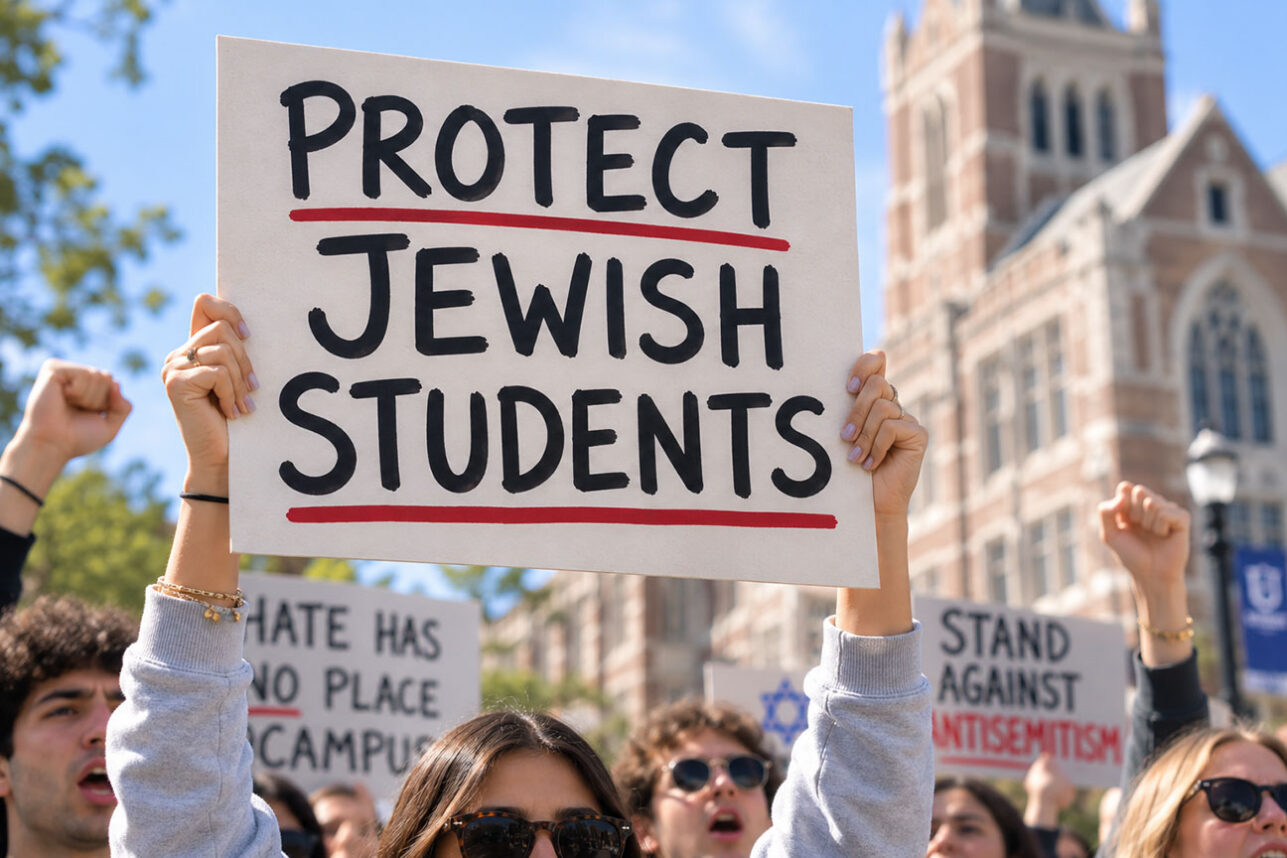
What is not getting old is that the most effective antidote to Jew-hatred, as Blake Flayton argues in our cover story, is to replace fear with pride, double down on your Jewish identity and be a “proud Jew walking.”
The stubborn and ancient virus of antisemitism continued to thrive in 2021, fueled by the obligatory bashing of the only free democracy in the Middle East, Israel. Yes, this is getting old. What is not getting old is that the most effective antidote to Jew-hatred, as Blake Flayton argues in our cover story, is to replace fear with pride, double down on your Jewish identity and be a “proud Jew walking.”
So, is 2021 a worse year than 2020? Perhaps in the sense that we expected so much more from 2021. Miracles like the COVID vaccine and Zoom turned out to be more complicated than we thought. We now have a virus that is making itself at home, mutating so brilliantly that it is matching our own resilience.
Our world continues to be upside down, where testing negative is a positive, where Israel is attacked beyond reason, where loving America must be hush-hush and hugging a grandparent is dangerous to their health.
All I can say is, thank God for silver linings. I find that the crazier things get on the outside, the more I focus on the inside stuff that matters most— family, friends, good health, walking with Jewish pride and watching Curb.
Happy New Year and Shabbat Shalom.