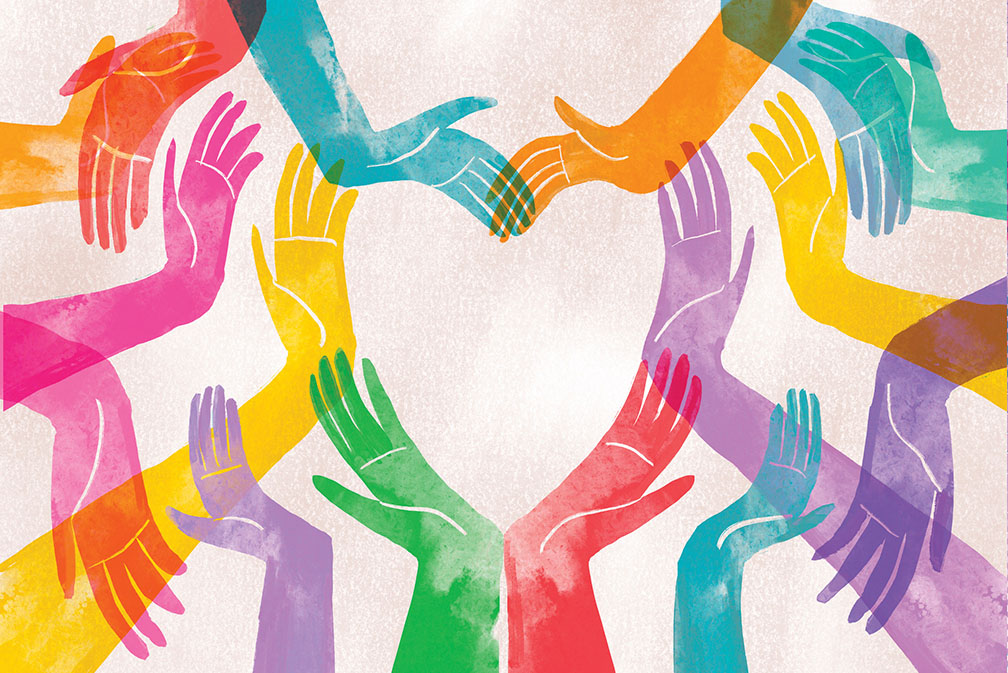
With the level of our national discourse reaching all-time lows, commentators with a bent for “bridge building” have been promoting the character trait of putting oneself in the shoes of the Other—whether that Other is a “deplorable” living in Wisconsin or a progressive living in Brooklyn.
It’s only by trying to understand one another, the theory goes, that national healing can start.
But what happens when the Other is a mass murderer—like the one from Pittsburgh and now the one from Thousand Oaks? Do I unwittingly honor a murderer by trying to understand what makes him reach such depths of evil and destruction?
I’m not sure; I hope not. All I know is that I have an incorrigible reflex to try to figure out why people do what they do.
Here are a few questions I struggle with when I see these horrific acts:
1. When potential killers see the enormous media coverage of these mass shootings, do they feel that it becomes somewhat more “acceptable?” Does media coverage infer an insidious type of credibility independent of the act itself?
2. When someone is miserable and feels he has nothing left to live for—and blames the world for much of his misery– does it make it more likely he will consider such an apocalyptic act, as a way perhaps of giving the world the middle finger and leaving with a “bang”?
3. Is the combination of #1 and #2 above so lethal that the killer loses any ability to make a moral distinction?
4. Does having a gun make it all that much easier? And what kind of change in gun laws can make a real difference?
I’m no expert on mental health. I don’t know what goes on in the mind of a deranged person. It’s possible that the brains of mass murderers all have faulty wiring—whether that faultiness comes from irrational hatred, child abuse or the trauma of fighting in a war.
But mental health or not, I often wonder if there are life factors and circumstances that can turn a human being with “normal” brain wiring into a monster who can walk into a synagogue or a bar and start shooting.
Or whether people who were damaged psychologically as children are now exposed in our new world to a lot more triggers than earlier eras.
That’s as much “understanding” as I can muster for now.