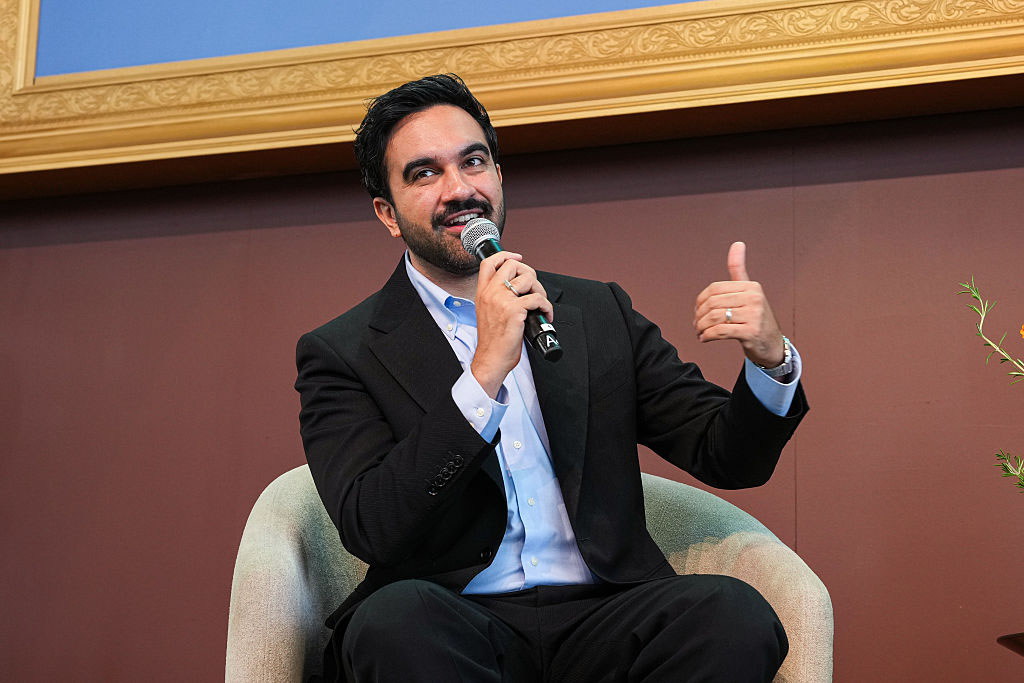

I was sitting in the front row at the comedy show my husband was performing on with four other Jewish comedians, laughing at his jokes in a room full of other Jews having a good time as well.
And then I looked around and thought: Should we be laughing right now? Should we be enjoying ourselves when there are so many awful things happening in Israel and to Jews around the world? My mind went to the Holocaust: Did the Jews in America go on as if life was normal while their fellow Jews were being massacred in Europe? Are we doing something wrong?
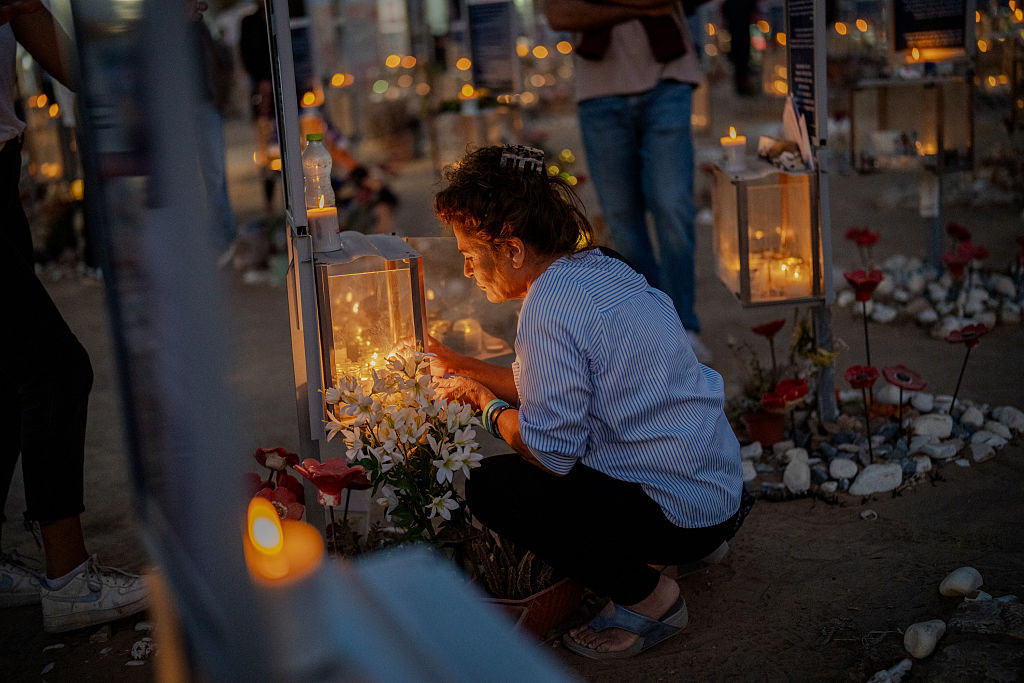
Since Oct. 7, I’ve had these thoughts every single day – especially when I’m enjoying myself. How can I be happy when so many are suffering?
The truth is that these feelings are probably normal. If I’m feeling this, I know that others must be, too.
Guilt can be productive. It can help us figure out the areas in our life in which we aren’t performing our best. That little voice in our head can tell us what we need to be doing, and it’s up to us to listen to it. The concept of “Jewish guilt,” that Jews feel guiltier than others, is a myth, and it’s antithetical to authentic Torah Judaism.
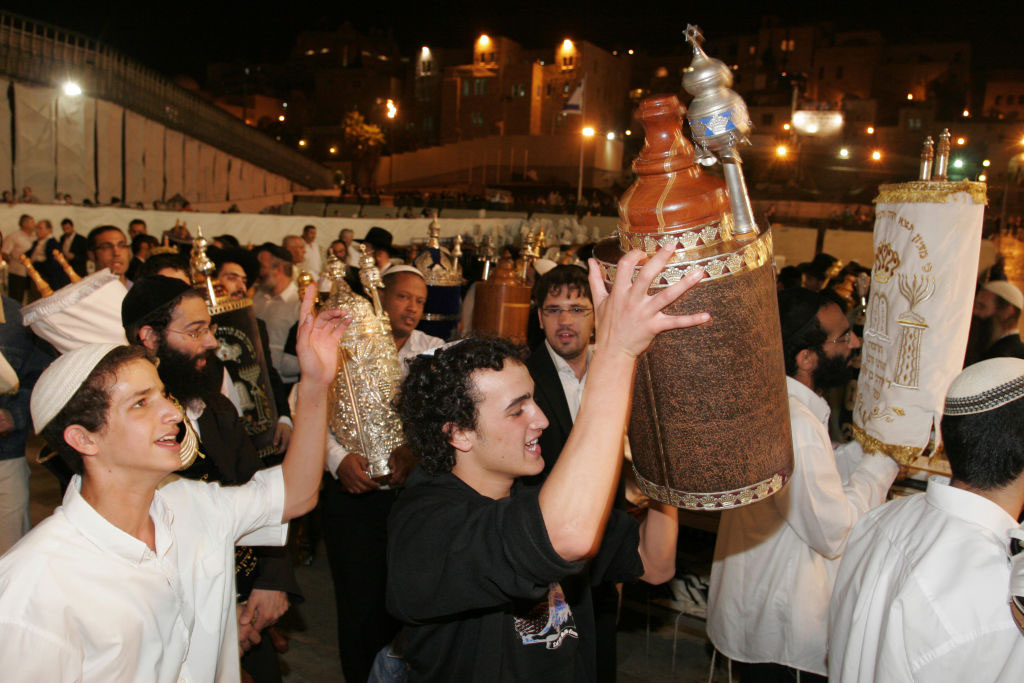
We are not supposed to feel guilt all the time and punish ourselves when we do something wrong. We are meant to learn and grow from our mistakes and try not to mess up again. Torah Judaism is about celebrating life, about doing as many mitzvot as possible to try to be closer to Hashem and lead a more fulfilling existence. Even during the Holocaust, people found ways to celebrate the holidays in the camps, to find the smallest slivers of joy possible. And in the aftermath of the Oct. 7 massacre, IDF soldiers are getting married in their uniforms, mothers are naming their beautiful babies after the victims and people are coming together for simchot.
As Jews, we hold dual realities at the same time; we can be joyous, but we must remember who we are and the hardships we’ve endured.
As Jews, we hold dual realities at the same time; we can be joyous, but we must remember who we are and the hardships we’ve endured. We smash a glass under the chuppah to remember the destruction of the Temples and have fun Passover seders where we reflect on our enslavement in Egypt. This is what we’ve always done and will continue to do. Remembering what we’ve been through – even in these celebratory moments – is what makes us Jewish and ensures that we not only continue to survive, but thrive.
Going back to the comedy show, the comedians were joking about current events while also calling for unity and urging people to donate to Israel. The laughter was a much-needed break from the grim news and gave strength to everyone in the room. I fully believe that laughter is essential to our existence.
If we feel guilty 24/7 for living our lives, we won’t be able to support our Jewish brothers and sisters in Israel, who need us to be strong now more than ever. We need to defend them, to offer them comfort during this tumultuous time. If we all feel guilty every second of the day, we’ll be depressed and listless and unable to help – and that’s the last thing we need.
People like to say that the “ultimate revenge” we can have on the antisemites and those who tried to wipe us out is by being happy and living joyful Jewish lives. I don’t like to frame it as “revenge,” because that’s negative. However, I do agree with the sentiment, that we must continue to be exuberant, even in the face of hate. We can’t let them get us down.
For now, I won’t “live my life” as I did pre-Oct. 7. Something fundamentally changed in all of us that horrible day. It made me focus more on giving back to my fellow Jews, providing comfort to them and very publicly standing up for Israel.
Though things have shifted, I also won’t give up my resolve to be proudly Jewish and b’simcha. That’s what Hashem wants from us: to say “l’chaim” in the face of fear and to fulfill our unique mission as Jews to be a light in the darkness.
It’s time to shine bright.
Have you felt guilty post-Oct. 7? Email me: Kylieol@JewishJournal.com.
Kylie Ora Lobell is the Community Editor of the Jewish Journal.