
I met a friend for coffee the other day in Tel Aviv. We hadn’t seen each other since before the pandemic, so it was especially nice to be together. He grew up in Jerusalem but recently moved to Zichron Ya’akov, a beautiful town overlooking the Mediterranean. My friend is a doctor who worked at Hadassah Hospital for many years and now is at Rambam Medical Center in Haifa.
We caught up on each other’s lives, talked about our families and our work, and shared how we each navigated the shutdowns, quarantines and disruptions of COVID. I asked him how he liked working in Haifa. He surprised me a bit by how he contrasted it with Jerusalem, a city in his words that was “built on hatred (b’nuyah b’sinah) between Arabs and Jews, secular and religious, Ashkenazim and Mizrachim, the political right and the political left. So much tension — every group hating the other.” By comparison, he continued, “Haifa has the same communities—people from all the same groups — but we get along so much better. The hatred just isn’t t8here.”
Our conversation was especially timely for this moment in the Jewish year, as we find ourselves in the period known as the “Three Weeks.” We commemorate the destruction of the Second Temple, which, according to the rabbis of the Talmud, was brought about by “senseless hatred” (sinat chinam). Jews during that time were split into a number of factions whose antipathy toward one another, the rabbis taught, led to the destruction of Jerusalem.
Almost two millennia have passed since the Temple was destroyed. We’ve experienced destruction and loss the likes of which our ancestors could hardly have imagined: inquisitions, pogroms and the ultimate darkness of the Shoah. After what we’ve been through together, after everything we’ve seen, one would hope that we’d finally learned our lesson, that we’d figured out how to get along, to embrace and even celebrate our differences so that we might love one another fully.
A few weeks ago, I wrote about an incident at the Kotel that illustrates painfully how little has changed, how much more work must be done.
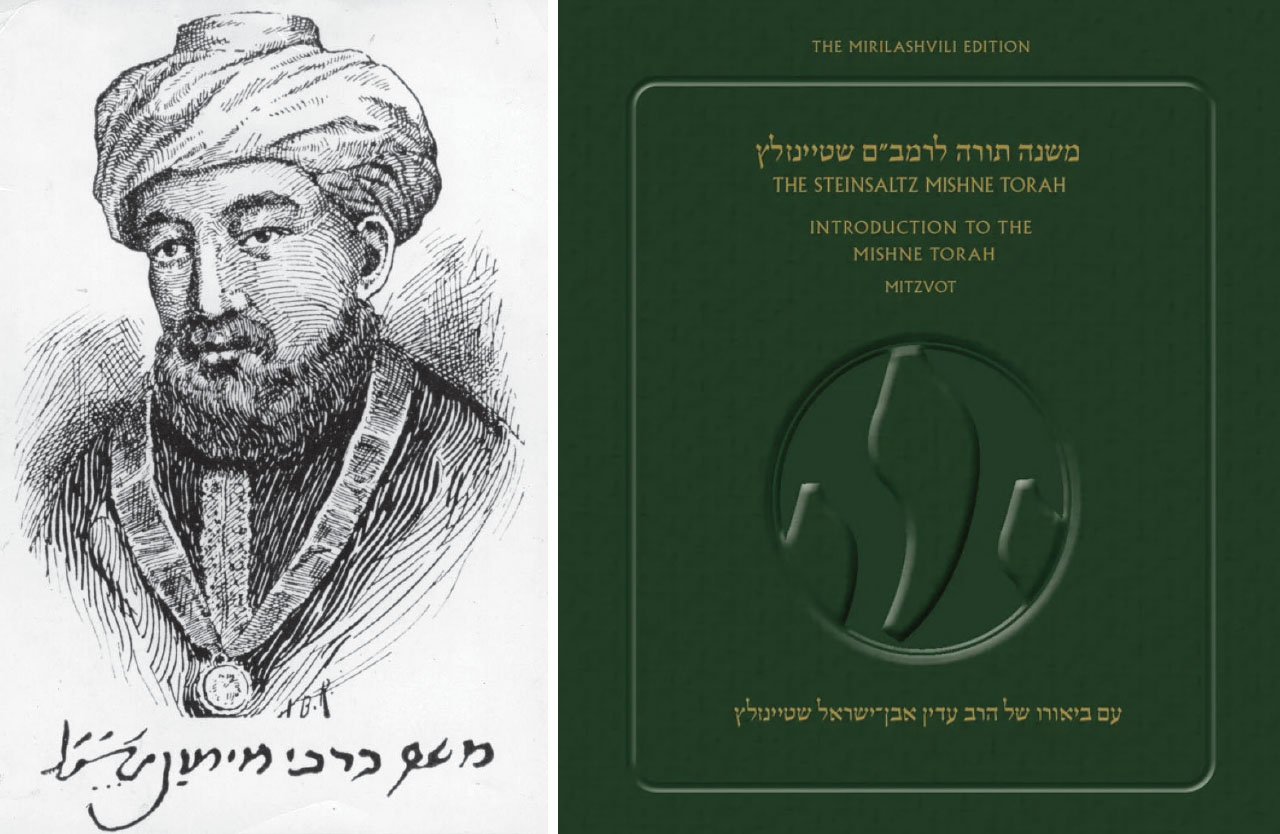
The classic teaching in our tradition about how to overcome senseless hatred was best articulated by Rabbi Abraham Isaac Kook (1865-1935), the first Ashkenazi Chief Rabbi of Mandatory Palestine. He wrote, “If senseless hatred is what destroyed us, we must rebuild the world through ‘senseless love.’”
For Rabbi Kook, “senseless love” or “love without reason,” was the act of caring for and loving our fellow Jews not because they did something special to deserve it, or because of some reward or recompense, but simply because they exist, because they are part of our extended family, part of Am Yisrael—our people. Our love is born of a common history, the chapters of the human story that are uniquely ours. And, to be sure, our love is connected to a shared destiny. Whatever the world has in store for the Jewish People — the good and the bad, the ridiculous and the sublime — we all will be touched by it, and we all will benefit or suffer from it, whether we like it or not, together.
We grew up speaking different languages, eating different foods, and learning different nursery rhymes. Now we are friends. His story is part of my story and my life is richer because of him.
My friend and I are about the same age but there is much that would seem to divide us. He grew up in Jerusalem. I was raised in Omaha. His family emigrated to Israel in the early-20th century from Morocco. Mine came to America around the same time from various parts of Eastern Europe. We grew up speaking different languages, eating different foods, and learning different nursery rhymes. Now we are friends. His story is part of my story and my life is richer because of him.
“I don’t know,” my friend said with a smile, “maybe part of the reason we get along in Haifa is the sea. You look out over the water and you feel a sense of peace, a sense of calm.”
I’m not sure how we get there, but these days remind me that we had better find ways to love each other more, accept each other more, and embrace our differences so that we can rebuild our world together.
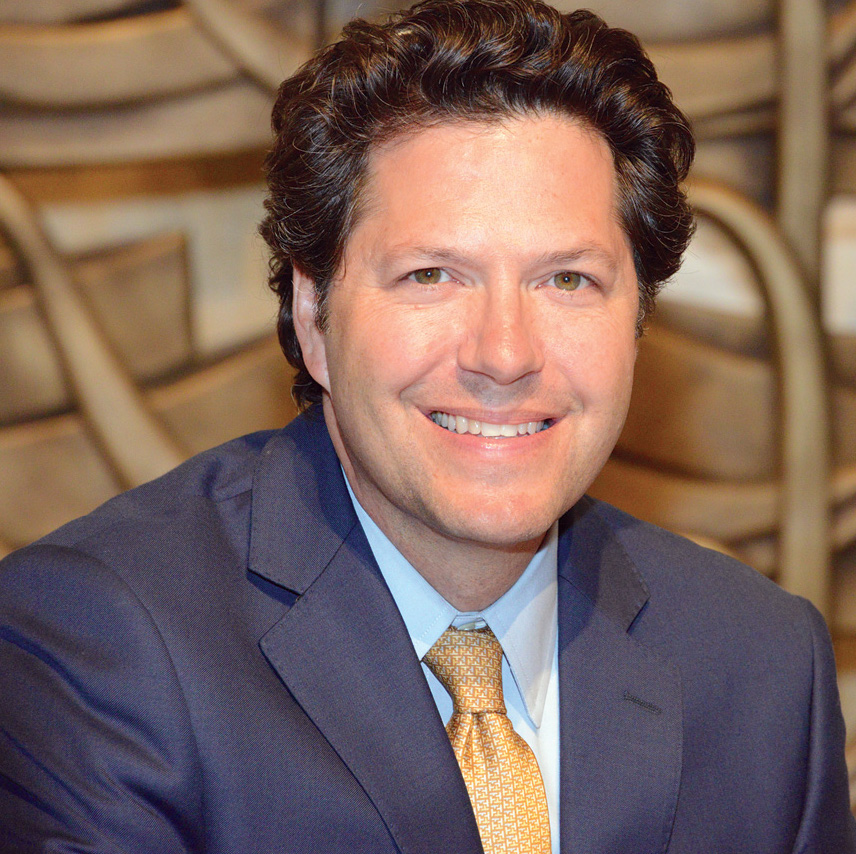
Rabbi Yoshi Zweiback is the Senior Rabbi of Stephen Wise Temple in Los Angeles, California.