Dear all,
Torah teaches that Adam and Eve had two sons, Cain and Abel. We don't know too much about them. But we do know that Cain rose up and murdered his brother.
Perhaps Cain was like many of the disenfranchised young men we find in the world today. He felt marginalized and unwanted. He didn't seem to fit it. He was angry.
And he was out of touch with reality.
After Cain committed this heinous crime, God asks, “Where is your brother?”
Cain responds, “Am I my brother's keeper?”
God then says, “The bloods of your brother are crying out to Me from the earth.”
This Shabbat, as our world cringes in the aftermath of Nice, we need to reflect on
these three excerpts.
We need to ask ourselves, “Where is my brother?” In other words, we need to be mindful of all humanity on the face of the earth. We need to be aware of what they
are doing, how they are thinking, and who is influencing them. We are dealing with Islamic Fundamentalist Terrorism, a cancer that eradicates traditional boundaries.
We can't have our heads buried in the sand. We need to be able to answer God's question: “Where is my brother?”
“Am I my brother's keeper?” Torah doesn't answer this in words. But I will respond: YES. We are responsible for what our brothers do. We must speak up. We must speak out. We all must step up to the plate.
“The bloods of your brother are crying out to Me from the earth.” My grammar teacher would have failed me if I wrote an original sentence like this. But as the
original Hebrew includes this phrase, our rabbis seek meaning. They teach that it
was not only Abel who died, but all of Abel's descendants. It is therefore the bloods
of each future human being that would have come from Abel – each soul is crying out. From this story, the Talmud teaches, “If you destroy a single life, it is as though you have destroyed the world.” In Nice, it is not 80 (at last count) who were murdered….
It was the 80 – and all the possibilities they could have produced.
Please, please, reflect on these excerpts. The epidemic of modern day “Cains” is overwhelming (in addition to the fundamentalist crisis, think of all the non-religious based shootings in this country).
And so … we have a responsibility. We can make a difference. And we need to listen, really listen, to the voices that are calling out to us.
Wishing you all a Shabbat of peace,
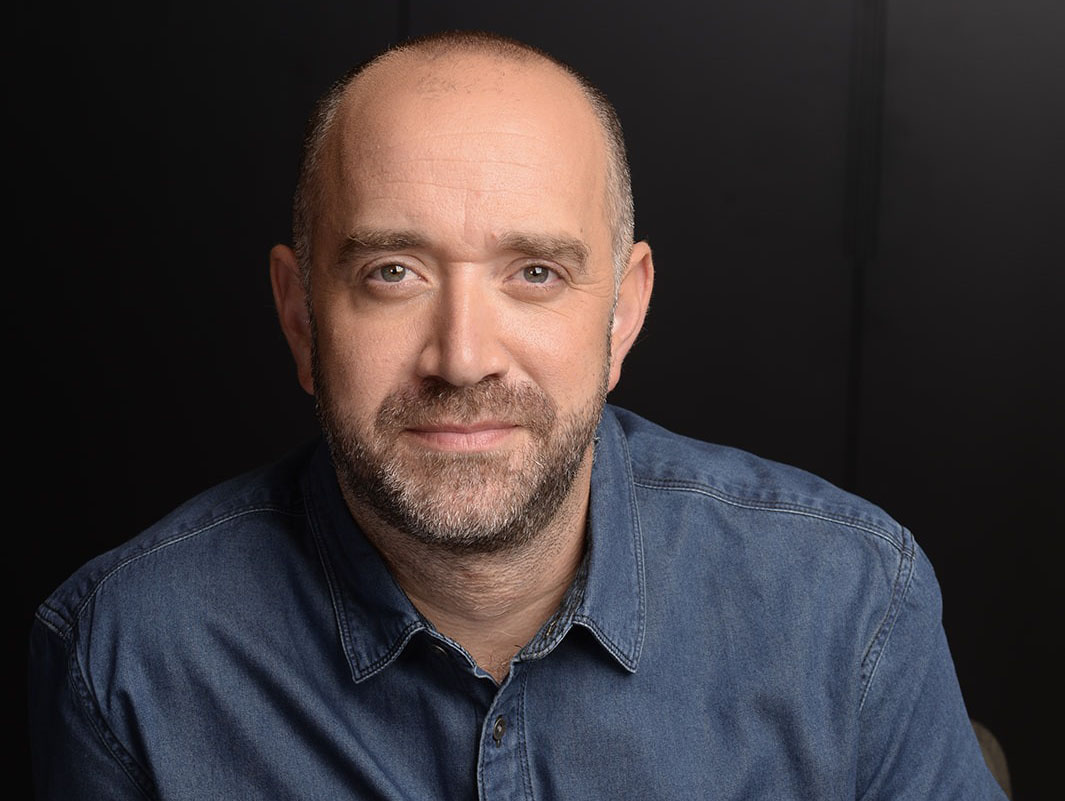
Rabbi Zach Shapiro












 More news and opinions than at a Shabbat dinner, right in your inbox.