fbpx

Love and Loyalty

More out of ethnic loyalty than any expectation of a great match, The Journal stayed late at the 78th annual Mercedes Benz Cup men\'s tennis tournament on July 17 at UCLA to watch a doubles semifinal between two Israelis and two Americans. The Americans, Bob and Mike Bryan, were the tournament\'s top-seeded doubles team, handsome identical twins from Camarillo who have been unstoppable lately. The Israelis\' record was spottier. Yonatan Ehrlich, 28, is a native of Buenos Aries, Argentina, and a resident of Haifa. His partner, Andy Ram, 24, is from Jerusalem by way of Montevideo, Uruguay. They also are strikingly handsome -- they prepped for the match by running shirtless around a practice court, kicking a tennis ball as if it were a soccer ball. Both are sports heroes in Israel, according to Hagai Ben Zvi, who covers tennis for the Israeli press. Their international careers were set back by three years (each) of army service, but both made the semifinals at Wimbledon last year and both have been invited to the Olympics in Athens.
[additional-authors]
July 29, 2004

More out of ethnic loyalty than any expectation of a great match, The Journal stayed late at the 78th annual Mercedes Benz Cup men’s tennis tournament on July 17 at UCLA to watch a doubles semifinal between two Israelis and two Americans. The Americans, Bob and Mike Bryan, were the tournament’s top-seeded doubles team, handsome identical twins from Camarillo who have been unstoppable lately. The Israelis’ record was spottier. Yonatan Ehrlich, 28, is a native of Buenos Aries, Argentina, and a resident of Haifa. His partner, Andy Ram, 24, is from Jerusalem by way of Montevideo, Uruguay. They also are strikingly handsome — they prepped for the match by running shirtless around a practice court, kicking a tennis ball as if it were a soccer ball.

Both are sports heroes in Israel, according to Hagai Ben Zvi, who covers tennis for the Israeli press. Their international careers were set back by three years (each) of army service, but both made the semifinals at Wimbledon last year and both have been invited to the Olympics in Athens.

And both played what turned out to be one of the most hard-fought and exciting matches of the tournament. Highlights for Israel-watchers included the way each called a ball for the other — Shelcha! — Hebrew for “Yours!” and the fact that Ram, after a double fault, smacked a ball with typical Israeli impatience over the grandstands, for which he received a warning violation from the head referee. The Israelis lost in close games and close sets — but, said Ben Zvi, they will no doubt return to the Mercedes Benz Cup next year.

For more information go to www.mercedes-benzcup.com .

Did you enjoy this article?
You'll love our roundtable.

Editor's Picks

Latest Articles

The Beat Goes On

While so much of the world seems obsessed with and consumed by its hatred of Israel and Jews, Israelis continue to build, create, work, celebrate, argue, raise families, and plan for the future.

Viral AI Video Targets Jewish Comedian

“The biggest concern is that people now have a pathway to shut down Jewish voices through complete falsities that people will believe. … For the future of Jewish entertainment, it’s very scary.”

Yiddish Historians: Writing in Their Own Language for Their Own People

Mark Smith has compiled an important anthology of Jewish history using 49 works by Yiddish historians to recreate or at least open the door to a world of Jewish thought that was once almost mainstream, but which no longer exists, except in the minds of too few specialists.

The Everlasting Melody

Most Jews who have sung “Eitz Chaim” over the past half-century probably never knew Portnoy. They did not know when he wrote the melody or how young he was when he composed it. They simply knew the song.

Who’s Really the Victim?

Those who would revel in Israel’s demise are claiming victimhood on every front and denying attacks on us in the same breath.

Biblical Deterrence

After Oct. 7, the sentiment in Israel toward the Iranian leadership was unequivocal: You went medieval — so we will go biblical.

How Sukkot Makes Us Whole

This year, I bless us that we open our eyes to truly see the beauty and the holiness of the world, and of the person before us at each and every moment, and to see the godliness of their aspirations and their fears.

The New Ushpizot

Ushpizin invite us to “welcome in our ancestral constellation and dwell amongst them.” This year, it’s Ushpizot, for the women. It’s the year of the Feminist Visitation.

Macklemore, Or Less

In between his songs, he proclaimed, “Free Palestine,” which is fine, asserted that opposing Israeli military actions is not antisemitic, which is accurate, and accused Israel of apartheid and genocide, which is offensive, untrue and hateful.

The Rokeach’s Remarkable Sukkah

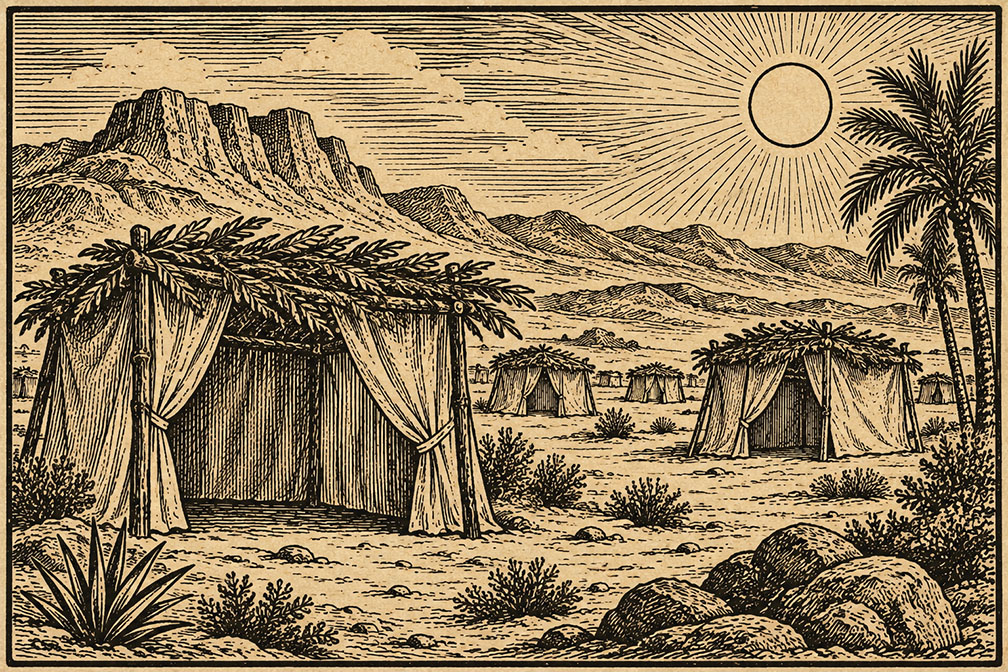
To Rabbi Eleazar ben Judah of Worms (1176-1238), the medieval German pietist known as the Rokeach, the sukkah symbolized Jewish military might.

The Sukkah and the Power of Endurance

They can destroy our Temples, demonize us in social media, shower us with hate, but they can’t destroy a spirit that never stops building. That enduring spirit is the power of the sukkah.

NY Mag’s Habibi City

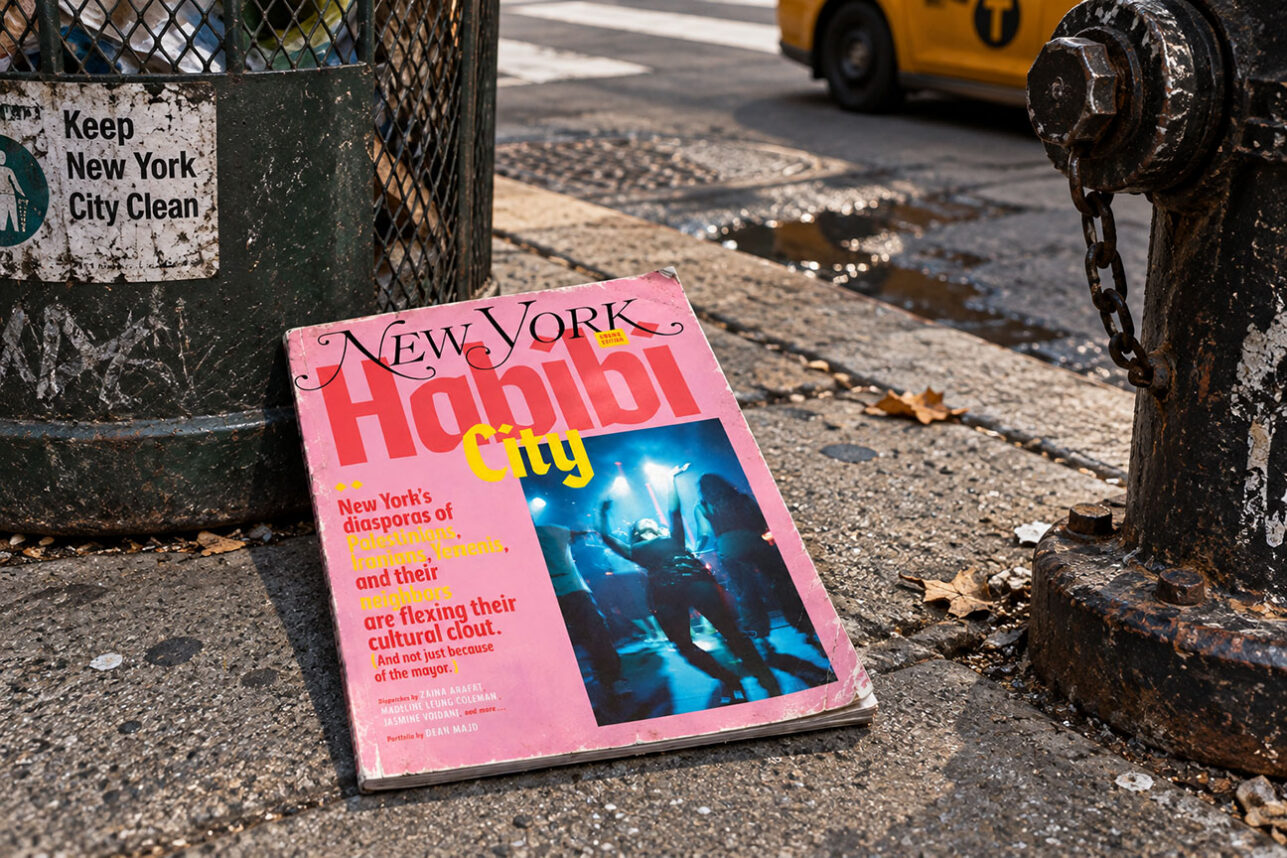
A satirical response to Zaina Arafat’s erasure of Jews in her New York Magazine article “Habibi City,” written as Zaina Arafat.

More news and opinions than at a Shabbat dinner, right in your inbox.