fbpx
[additional-authors]
March 31, 2010

How is this night different than all other nights? Well, this night, all the social workers in Rwanda are celebrating Passover. Turns out a lot of them are Jewish:

For the fifth year in a row, we’ll be sharing this holiday with our friends in Rwanda. We’ve mastered the art of home-baked matzo, printed up internet-available Haggadahs, and gotten over our longing for sweet kosher wine on the table. Unlike Ethiopia, and many other countries in Africa, there is no synagogue here and the community is fragmented. But the spirit of Passover is particularly strong. The holiday takes place just a few days from the start of the national commemoration of the 16th anniversary of the Rwandan genocide.

Rwandans feel a deep camaraderie with Jews. The connection dates back centuries and some Rwandans consider the Tutsis one of the lost tribes of Israel. One of the companies with which I work, Rwanda Ventures, employs an Israeli agronomist who is admired by farmers across the country (though he flew home for his Seder this year).

(skip)

The Passover story resonates strongly with our Rwandan friends—even those who know almost nothing about modern Judaism—not only because they have known unspeakable oppression, but also because so many in their country remain enslaved by another oppressor: poverty. As we sit around our Passover tables with friends and families and make our Hillel sandwiches of matzo, bitter herbs and sweet charoset, we’re reminded of the scholar’s words more than two millennia ago: “If I am not for myself, who will be for me? And when I am for myself, what am ‘I’? And if not now, when?”

Read more from Josh Ruxin of The New York Times here.

Did you enjoy this article?
You'll love our roundtable.

Editor's Picks

Latest Articles

The Beat Goes On

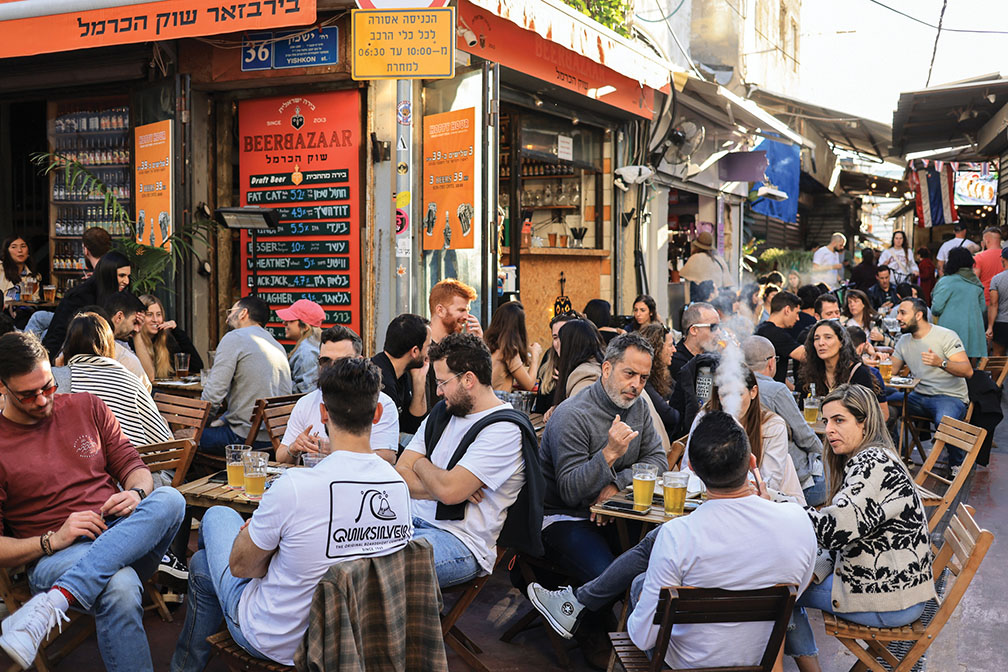
While so much of the world seems obsessed with and consumed by its hatred of Israel and Jews, Israelis continue to build, create, work, celebrate, argue, raise families, and plan for the future.

Viral AI Video Targets Jewish Comedian

“The biggest concern is that people now have a pathway to shut down Jewish voices through complete falsities that people will believe. … For the future of Jewish entertainment, it’s very scary.”

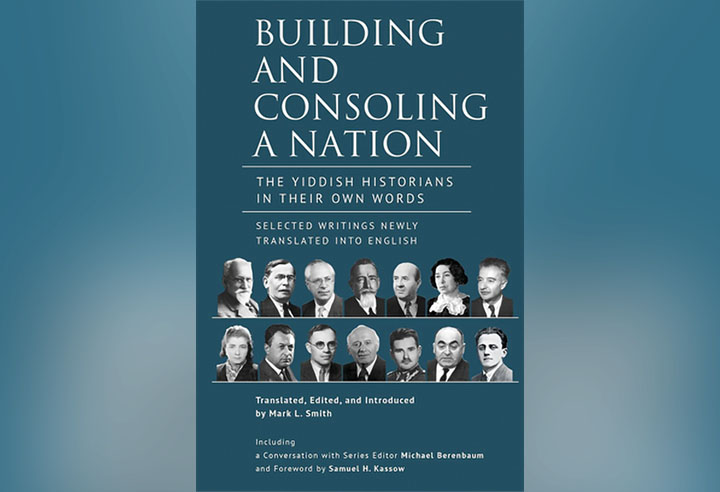
Yiddish Historians: Writing in Their Own Language for Their Own People

Mark Smith has compiled an important anthology of Jewish history using 49 works by Yiddish historians to recreate or at least open the door to a world of Jewish thought that was once almost mainstream, but which no longer exists, except in the minds of too few specialists.

The Everlasting Melody

Most Jews who have sung “Eitz Chaim” over the past half-century probably never knew Portnoy. They did not know when he wrote the melody or how young he was when he composed it. They simply knew the song.

Who’s Really the Victim?

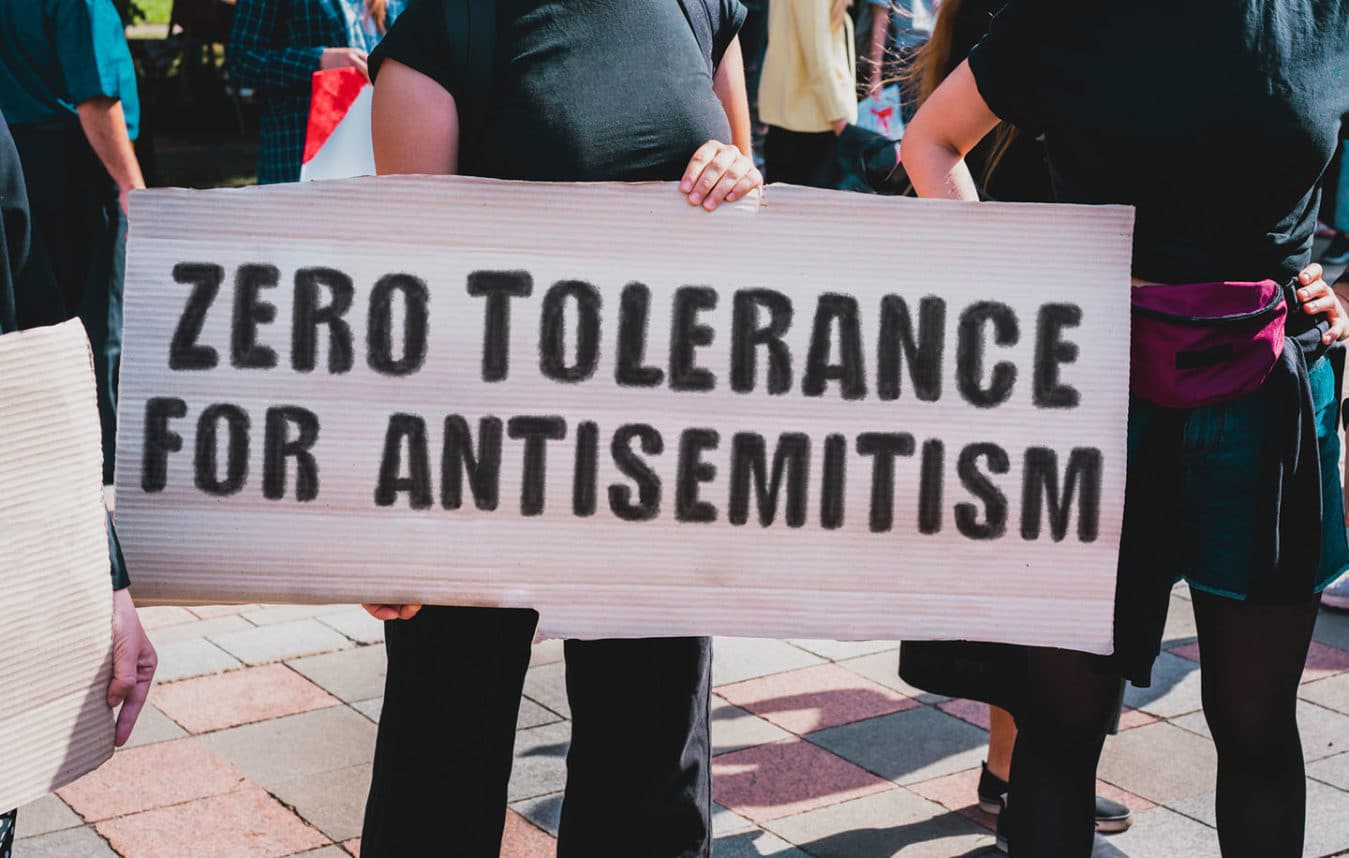
Those who would revel in Israel’s demise are claiming victimhood on every front and denying attacks on us in the same breath.

Biblical Deterrence

After Oct. 7, the sentiment in Israel toward the Iranian leadership was unequivocal: You went medieval — so we will go biblical.

How Sukkot Makes Us Whole

This year, I bless us that we open our eyes to truly see the beauty and the holiness of the world, and of the person before us at each and every moment, and to see the godliness of their aspirations and their fears.

The New Ushpizot

Ushpizin invite us to “welcome in our ancestral constellation and dwell amongst them.” This year, it’s Ushpizot, for the women. It’s the year of the Feminist Visitation.

Macklemore, Or Less

In between his songs, he proclaimed, “Free Palestine,” which is fine, asserted that opposing Israeli military actions is not antisemitic, which is accurate, and accused Israel of apartheid and genocide, which is offensive, untrue and hateful.

The Rokeach’s Remarkable Sukkah

To Rabbi Eleazar ben Judah of Worms (1176-1238), the medieval German pietist known as the Rokeach, the sukkah symbolized Jewish military might.

The Sukkah and the Power of Endurance

They can destroy our Temples, demonize us in social media, shower us with hate, but they can’t destroy a spirit that never stops building. That enduring spirit is the power of the sukkah.

NY Mag’s Habibi City

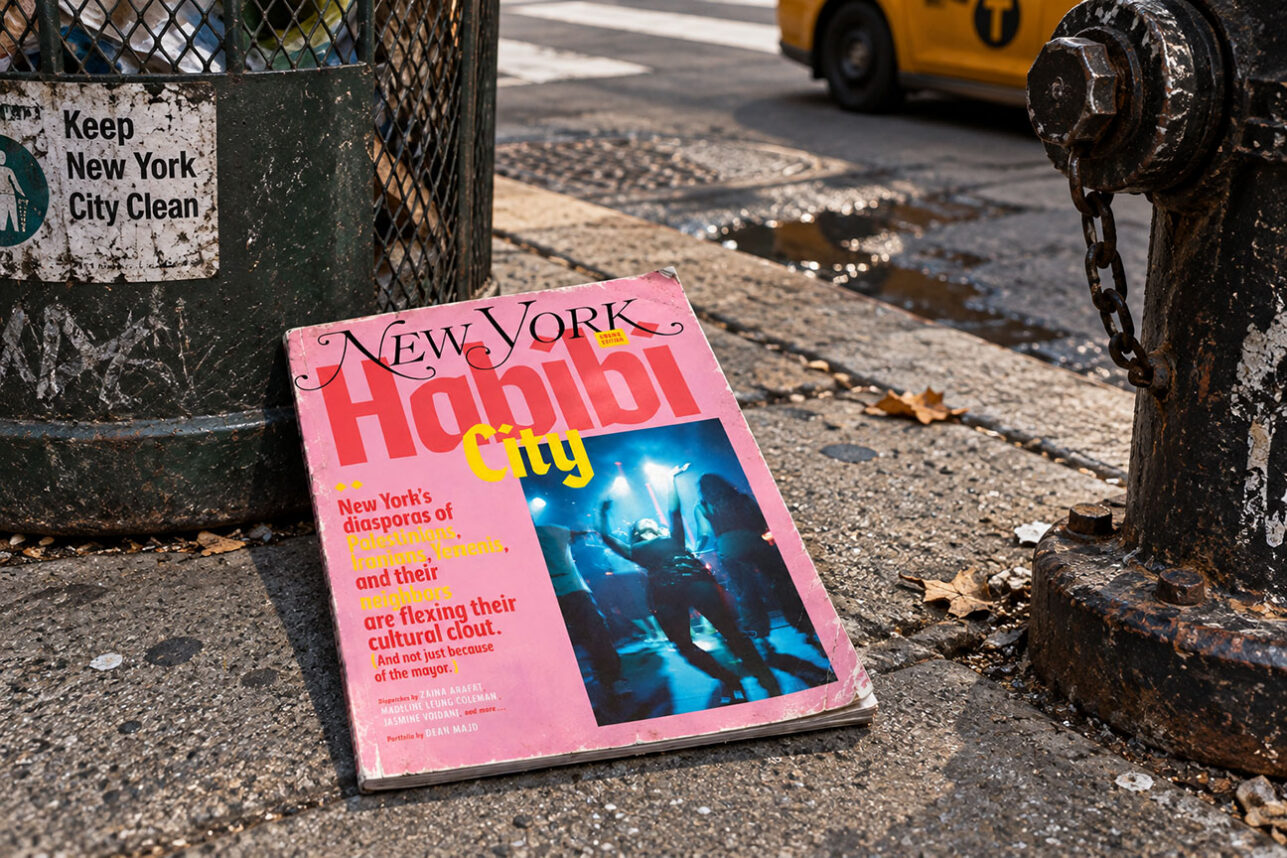
A satirical response to Zaina Arafat’s erasure of Jews in her New York Magazine article “Habibi City,” written as Zaina Arafat.

More news and opinions than at a Shabbat dinner, right in your inbox.