
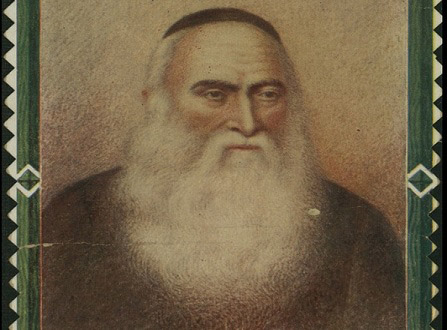
Late in the 15th century, the brilliant Sephardic Bible commentator Don Isaac Abarbanel was sitting in his study in Monopoli, Italy, writing a detailed commentary on the Book of Isaiah. Born in Portugal in 1437, Abarbanel eventually moved to Spain in 1481, where in addition to being a reputable Jewish scholar and diplomat, he served as treasurer to King Ferdinand and Queen Isabella of Spain.
Having just experienced the bloody inquisition and expulsion of his people from Spain in 1492, Abarbanel sat and contemplated the deeper meaning of Isaiah’s prophecies. Isaiah 54:17, which appears in this week’s Haftarah, particularly intrigued him: “No weapon that is forged against you shall prosper.”
Is this a general statement about all of Israel’s enemies, or is Isaiah’s prophecy referring to one particular nation?
In looking back to Jewish history up until the time when he was writing, Abarbanel unfortunately had many choices of Jewish enemies: The Egyptians, Amalekites, Moabites, Babylonians, Romans and – most recently – the Catholic Church and Catholic Monarchy that expelled him and his people from Spain.
Yet with all of this, Abarbanel felt that this verse best described only one particular group of people. On the words “No weapon that is forged against you shall prosper,” Abarbanel commented:
“There are religions today who put to death all who would repudiate their faith. The Ishmaelites of Islam fall into this category.”
The bloody history of radical Islam – from Abarbanel’s lifetime to this very day – make Abarbanel’s commentary into his own multi-century prophecy on radical Islam. Hundreds of years after he wrote his comments on Isaiah 54:17, Abravanel’s description of radical Islam still stands.
Read his words again:
“There are religions today who put to death all who would repudiate their faith. The Ishmaelites of Islam fall into this category.”
Had I not known that these were Abarbanel’s words from the 15th century, I could easily have mistaken them as words ripped from the headlines or editorials of September 12, 2001, or…October 8, 2023.
What’s frightening is not only how long radical Islam has lasted, but how long the world has allowed it to last. But even more frightening is today – from the United Nations to The Hague to university campuses – how many people justify and celebrate the terrorists and regimes “who put to death all who would repudiate their faith.”
Abarbanel would be horrified to know that – hundreds of years later – he’s still right.
Shabbat Shalom
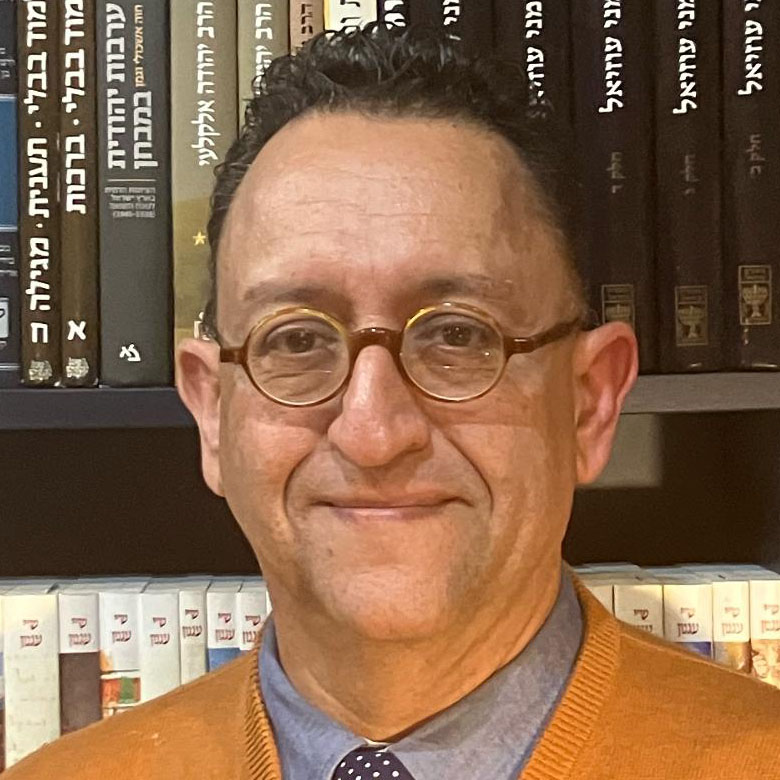
Rabbi Daniel Bouskila is the international director of the Sephardic Educational Center.
































