My longtime readers know that I love to inform you about ways that Mother Nature tries to hurt us. Since it’s winter, norovirus deserves our attention as it wreaks its seasonal havoc and occasionally closes down schools.
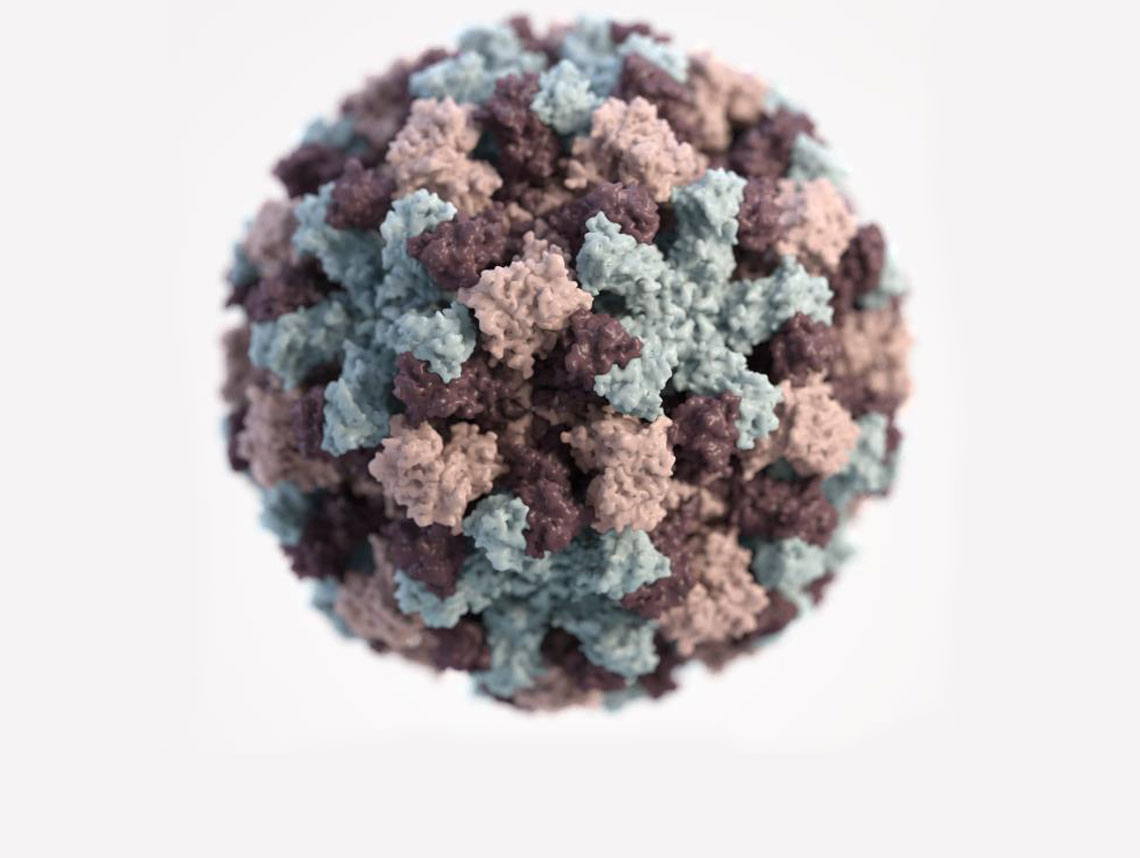
Norovirus causes inflammation of the stomach and intestines. It’s commonly referred to as a “stomach virus” or “stomach flu”. (But it’s not related to the influenza virus. So let’s stop calling it the stomach flu. It just confuses people and makes them think that the flu vaccine should have protected them from norovirus, or that anti-flu medication might be effective for it.)
Norovirus illness is not subtle. It causes nausea, vomiting, watery diarrhea and abdominal cramps. Some people also have low-grade fever, headache, and body aches. Symptoms last 24 to 72 hours and most people recover without any lasting harm. But those 24 to 72 hours can cause serious dehydration, and young children, old people, and people with immune defects can get very sick and require hospitalization.
Norovirus makes about 20 million people sick every year in the US, causes over 1 million doctor visits, about 60,000 hospitalizations, and over 500 deaths. You’ve probably already had it, and the majority of us will contract it multiple times. There’s no specific treatment for it. Rehydration is essential, and patients who can’t take oral fluids may need intravenous fluids and intravenous anti-nausea medication.
There are two features of norovirus that makes it an especially prevalent pathogen. The first is that there are very many strains. So you can get sick from norovirus more than once.
The second is that it’s extremely contagious. It makes tuberculosis and viral hepatitis look like they’re playing hard to get. Infected people shed virus in their vomit and their stool and continue to be infectious for a couple of days after they recover. The virus survives on surfaces for weeks and can be ingested in contaminated food or water. Ingestion of a tiny number of virus particles is all it takes to get infected, thereby turning another host into a very sick virus fountain.
This is the virus that spreads like wildfire through cruise ships and schools and other settings in which people eat in close quarters. This winter several school systems have closed for a few days because of the high number of sick students.
What can you do to avoid norovirus this winter? Wash your hands frequently with soap and warm water for at least 20 seconds, especially before eating or preparing food and after using the bathroom. (Hand sanitizers are great for killing bacteria but don’t kill norovirus.) Don’t touch your mouth. If someone is sick at home, have them use their own bathroom if at all possible. Launder and machine-dry any of their soiled clothes and linens. Wipe down surfaces with a bleach-based cleaner. Rinse fresh fruits and vegetables before eating them.
This video from the Centers for Disease Control (CDC) has a great summary of how norovirus is transmitted and how to avoid it. (Of all the videos I’ve seen that were made by an official government agency, I think this is the one that most uses the word “poop”.)
So please stay healthy. And the next time your friend waxes eloquently about nature’s splendor and benevolence, remind him of norovirus.
Learn more:
The Stomach Bug Norovirus Rips Through U.S. Schools (Wall Street Journal)
Have you ever heard of norovirus? (CDC video)
Norovirus (CDC information page)
Norovirus outbreak: Why it’s easy to catch and hard to get rid of (CNBC)
If you’re going to spew, spew into this (Wayne’s World)