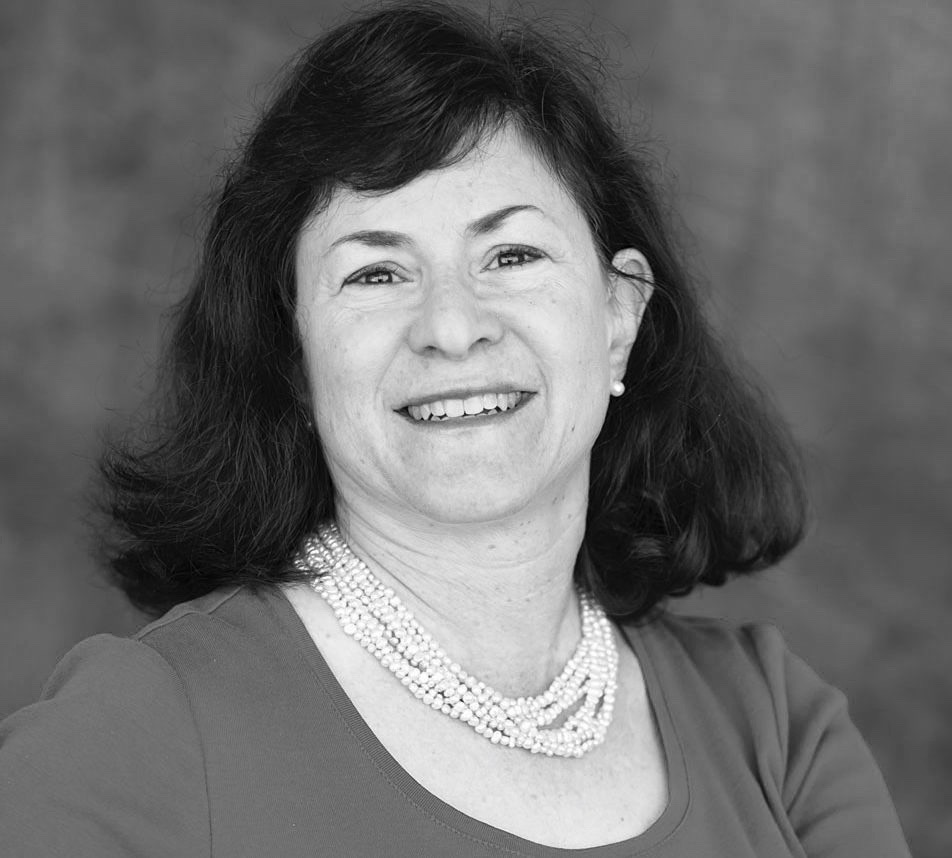
My life’s journey in the medical world began at age 4 when I was diagnosed with a “kidney infection”. My childhood included annual visits to the nephrology clinic at the Hospital of the Albert Einstein College of Medicine in New York, bringing along a 24-hour urine-collection specimen. I was vaguely aware that this was not something the other children in my class did.
During adolescence, rather than “outgrow” whatever was troubling my kidneys, the internal changes happening were too much for them and my kidney function plummeted. To my shock, I was told I needed to begin dialysis treatments. It was April 1975 and I was only 15 years old.
A kidney transplant followed. My family and I saw it as the only way out of an impossible and incomprehensible situation. The anti-rejection drugs were a nightmare and my body was doing everything it could to reject the kidney. It took a year to recover from that physically and many more years to heal psychologically.
But I emerged from those experiences with a keen awareness of the gift that life is, and a determination to do everything in my power to create a full and meaningful life. I realized early on, the more I managed my own treatment, the better off I would be. I learned how to place the needles in my arm for my dialysis treatments. Because of that, I had the peace of mind to move to Los Angeles and to travel. I went on to college at UCLA, graduate school and eventually to work full-time.
And then, after a second failed transplant, I had my fill of going to dialysis clinics three times a week. After much research, I decided to try peritoneal dialysis at home. I did that for an amazing and healthy 12 years. After a third failed try at a transplant, I humbly realized that my body was telling me very loudly that it was not the road for me. In my work as an educator and health advocate, I met some amazing physicians. From them I learned that I would be the healthiest by doing nocturnal home hemodialysis. That means having a dialysis machine at home, next to my bed (connected to a water-purification machine that’s parked in the bathtub), and doing a 7-hour treatment every other night. It’s not normal kidney function, and it is a big commitment, but, long, gentle and frequent treatments give me the best level of health.
In a study conducted a few years back, nephrologists (kidney specialists) were asked what type of dialysis they would choose if their own kidneys stopped working. Ninety percent said they would choose some form of home dialysis. Yet in the United States today, 89% of people who do dialysis are sent to do dialysis in clinics, where the annual mortality rate is about 24%.
I fought to receive the training I needed 13 years ago to do nocturnal dialysis at home. I was guided by the advice of the Torah to choose LIFE by taking matters into my own hands.
Judy Weintraub directed and produced the personal documentary Life On The Bridge. The film is available on her website, lifeonthebridge.com
For more information on kidney disease, please visit kidneyschool.org and homedialysiscentral.org