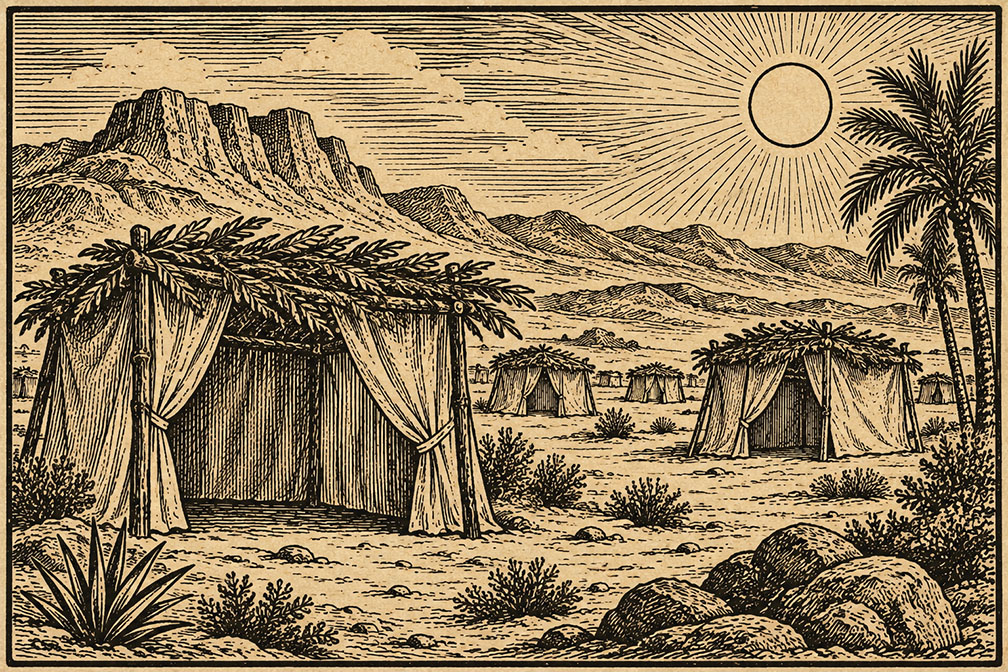
The notion of the Tower of Babel comes from a story early in the Torah. In it, people are working on building a tower high enough to reach the sky, and God becomes concerned about the collective power of human beings. In order to thwart their efforts, God causes everyone to speak a different language, making it impossible for them to all cooperate on the same level as before, effectively ending their tower building scheme.
Last night I was in a class on criminal justice at the synagogue, when the topic of the definition of the word “racism” came up. We were presented with a definition from David Wellman defining racism as a “system of advantage based on race.” Another definition presented from a book by Beverly Tatum was, “prejudice plus power.”
I can certainly see how those definitions of “racism” are technically correct, but I felt it was important to point out to the class that they don’t represent how the word is commonly used. When a person says, “I’m not a racist,” they’re not thinking about advantages or power politics. All they’re saying is, “I don’t hate [insert name of group here] people.”
The folks in the class, rather than trying to hear my point, felt it necessary to try to explain to me the correct definition of the word, after which I tried again to make my point, saying, “What I’m trying to say is that word is commonly misunderstood,” to which the class, in chorus, responded, “Right!” as if that settled it.
And therein lies the problem. Like with the Tower of Babel story, the people who are supporting racial equality are not operating with the same definition of the words they are using as those who either don’t support racial equality, or those who believe (erroneously, I might add) that it has already been achieved.
I believe that when the Black Lives Matter movement says, “Black lives matter,” what they are saying is, “The system, more often than not, operates as if the lives of white people matter more than the lives of other people. We want the system to change so that it clearly acknowledges and operates in such a way as to demonstrate that it knows black lives matter as much as any other lives.” Or, for short, “Black lives also matter,” or “Black lives matter just as much as white lives.”
A significant number of people, however, are misinterpreting the slogan, “Black lives matter” to mean, “Black lives matter more than white lives,” or “Black lives matter more than the lives of police officers,” among other things. It’s as if we’re speaking a different language.
When the class responded with an emphatic, “Right!” to my statement that the word “racism” is often misinterpreted, what I heard them saying is, “The people who think that because they don’t hate a certain group it means they are not racist need to be educated about what the word racist means.”
Now, as a person who gets tweaked at how common it has become to add an incorrect “th” at the end of dates (for instance, “Thanksgiving is on November 26th” when it’s really on “November 26”), and the use of the word “less” when the correct word is “fewer,” and the use of the word “if” when the correct word is “whether,” I can tell you, trying to educate the public about the correct use of words is a large, unrewarding uphill battle.
So my question for those in pursuit of racial equality is, “Is this the hill you want to die on?” Is trying to get others to use the correct definition of the word “racism” really that important to you? Because, by the time you fight the battle to get others to buy into your definition of the word, no matter how spot-on you are in saying your definition is the correct one, you will have spent a large portion of your time and energy on semantics rather than on the actual problem of inequality.
As with the Tower of Babel, by engaging in the argument over the correct use of certain words we are playing into the hands of those who are afraid of our collective power, and who would prefer the discussion to be kept in the realm of semantics so that it never gets around to the substantive issues behind those words and definitions. It keeps us arguing rather than problem solving. We will never build a tower together that way.
—————-
“Like” the “>follow me on Twitter.