
The four sons of the haggadah can be compared
to the four versions of the gospels, Matthew, Mark,
and Luke and John, four Gingers who’re Astaired,
dancing to great Jewish jazz within a parish park,
but choreographed by Jews who thought that the messiah
had not arrived, though in Bnai Berak, Aqiba
perhaps suggested that Bar Kokhba was a qualifier
for the biblically advertised job of brothers’ keeper.
Although my reading of these narratives may be rejected,
treated either as far too sophisticated or naïve,
the way they dance like Fred and Ginger ought to be respected
even by those who in their agenda don’t believe.
Ginger could do everything that Fred was doing, brilliant, backwards,
but echoes only three sons dancing with their father in the seder, for the last one lacked the steps, the words.
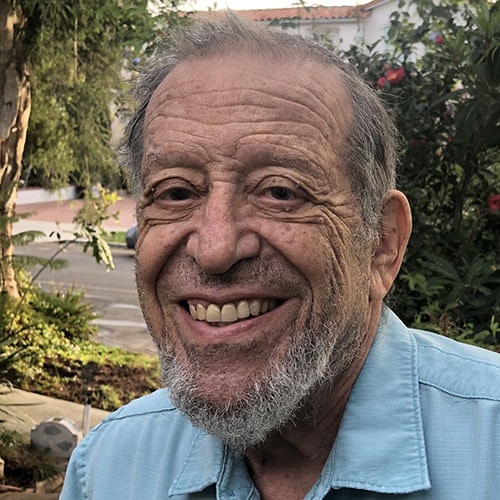
Gershon Hepner is a poet who has written over 25,000 poems on subjects ranging from music to literature, politics to Torah. He grew up in England and moved to Los Angeles in 1976. Using his varied interests and experiences, he has authored dozens of papers in medical and academic journals, and authored “Legal Friction: Law, Narrative, and Identity Politics in Biblical Israel.” He can be reached at gershonhepner@gmail.com.