Most distressed, I can’t restrain myself from making strenuous strictures
regarding a museum made by the Academy of Motion Pictures.
Though its Director created a Museum Advisory Committee
to spotlight and prevent historical omissions, it’s a pity
installations this committee strangely has omitted
include a lot of Jews, who sadly have not been admitted
officially as Jews, deJudaized with ghostly expurgation
of their ethnicity, members of the challenged chosen nation.
Many of them changed not just their oh-too-Jewish names
and noses, but (j’accuse) a fact that far more seriously shames
the industry that’s known as Hollywood, the story of how Jews
were being persecuted by the Nazis. Moguls would refuse
to mention this till Lanzmann made in France his “Shoah”. Hollywood thus missed
the Holocaust, a huge omission until Steven Spielberg’s “Schindler’s List,”
not showing all the world how Jewish lives were being threatened by
a process leading to the genocide that’s called the Shoah. Why
is space significantly given just to one Jew, mogul Louis Mayer?
The Museum’s funders act like most deplorable deniers
of antisemitism by their failure to have clearly documented
that Hollywood exists because it was by memorable Jews invented.
By demonstrating towards Jews a harmful absent-mindedness,
the Museum exorcises Jewish history that it fails to address.
***
In “Jews built Hollywood. So why is their history erased from the Academy’s new museum?,” Sharon Rosen Leib writes about the $484 million Academy Museum of Motion Pictures in Los Angeles that has finally opened to the public. (Forward, 10/14/21):
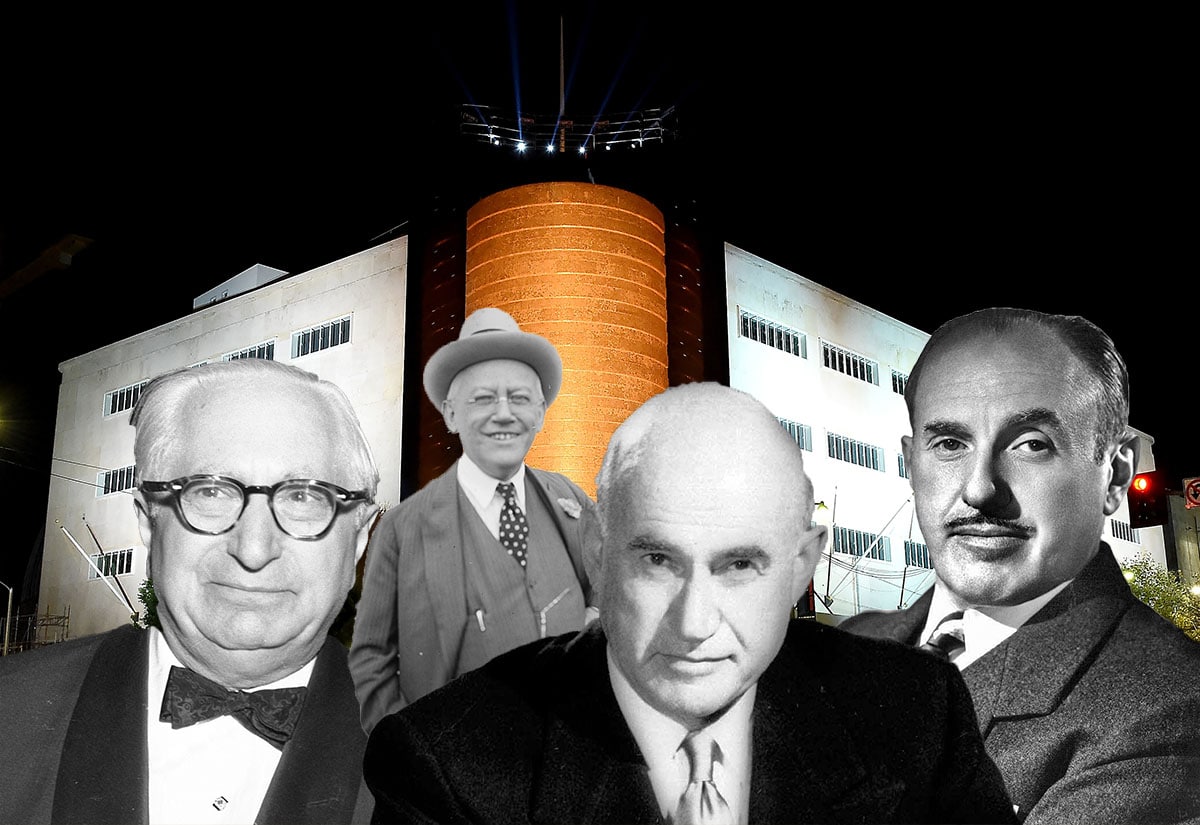
Hollywood’s founding moguls included Sol’s tyrannical boss William Fox, Adolph Zukor (Paramount), Harry and Jack Warner (Warner Bros.), Carl Laemmle (Universal), Sam Goldwyn and Louis B. Mayer (MGM) and Harry Cohn (Columbia)— all Jewish. They achieved global reach by creating celluloid dream factories whose moving pictures rapidly became America’s most influential cultural export.
But at the museum, they are ghosts. Their presence hangs over the halls— there would literally be no museum, no industry, without them. But the museum’s current installations devote meaningful space only to mogul Louis B. Mayer as the prime mover in founding the Academy and the villainous executive who tormented Judy Garland.
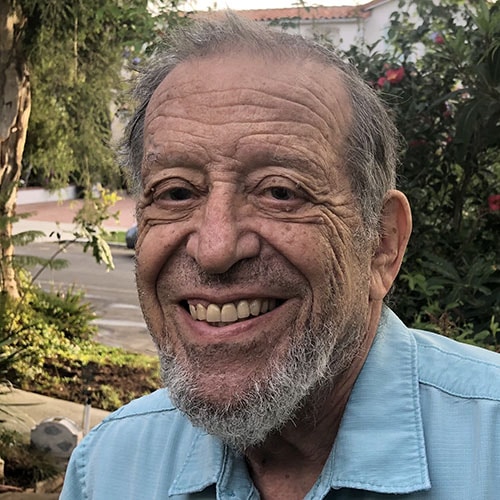
Gershon Hepner is a poet who has written over 25,000 poems on subjects ranging from music to literature, politics to Torah. He grew up in England and moved to Los Angeles in 1976. Using his varied interests and experiences, he has authored dozens of papers in medical and academic journals, and authored “Legal Friction: Law, Narrative, and Identity Politics in Biblical Israel.” He can be reached at gershonhepner@gmail.com.