fbpx

Rosner’s Torah Talk: Parashat Noach with Rabbi Mosheh Lichtenstein

[additional-authors]
October 20, 2017
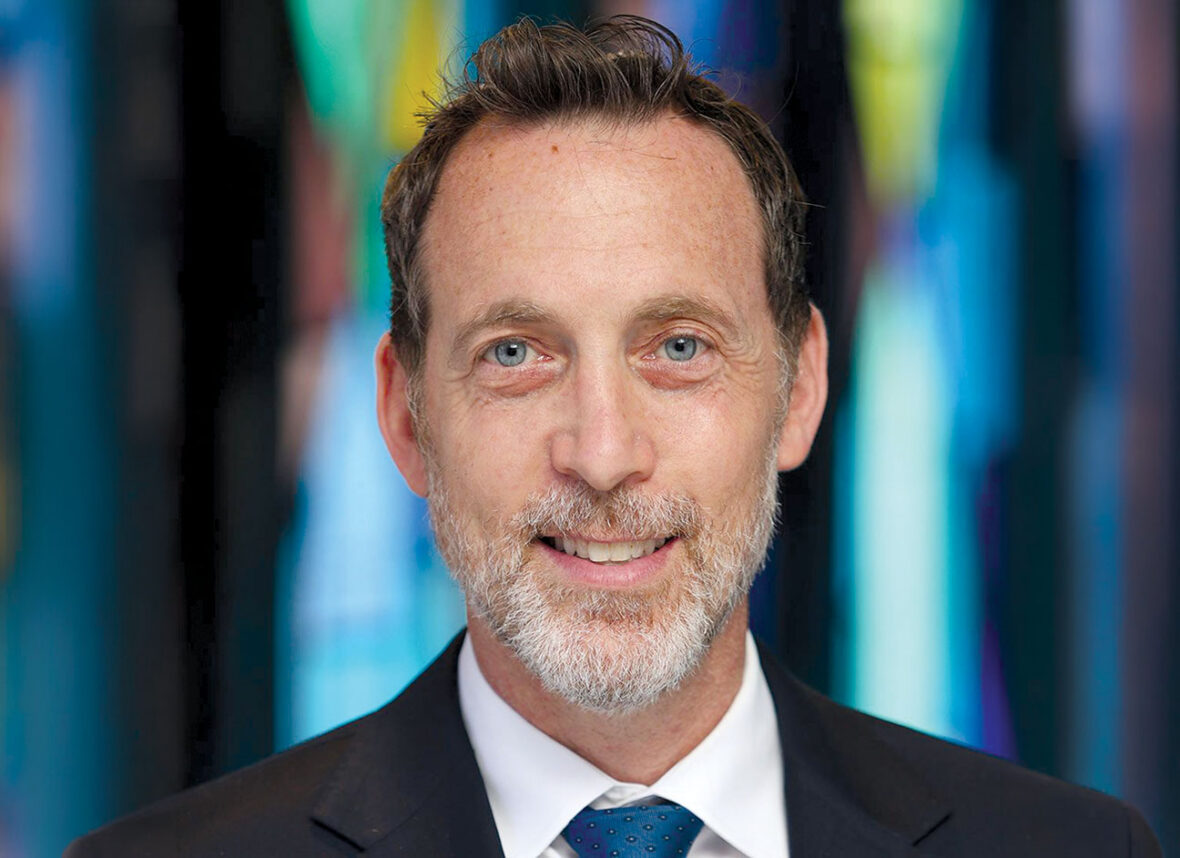
Rabbi Moshe Lichtenstein

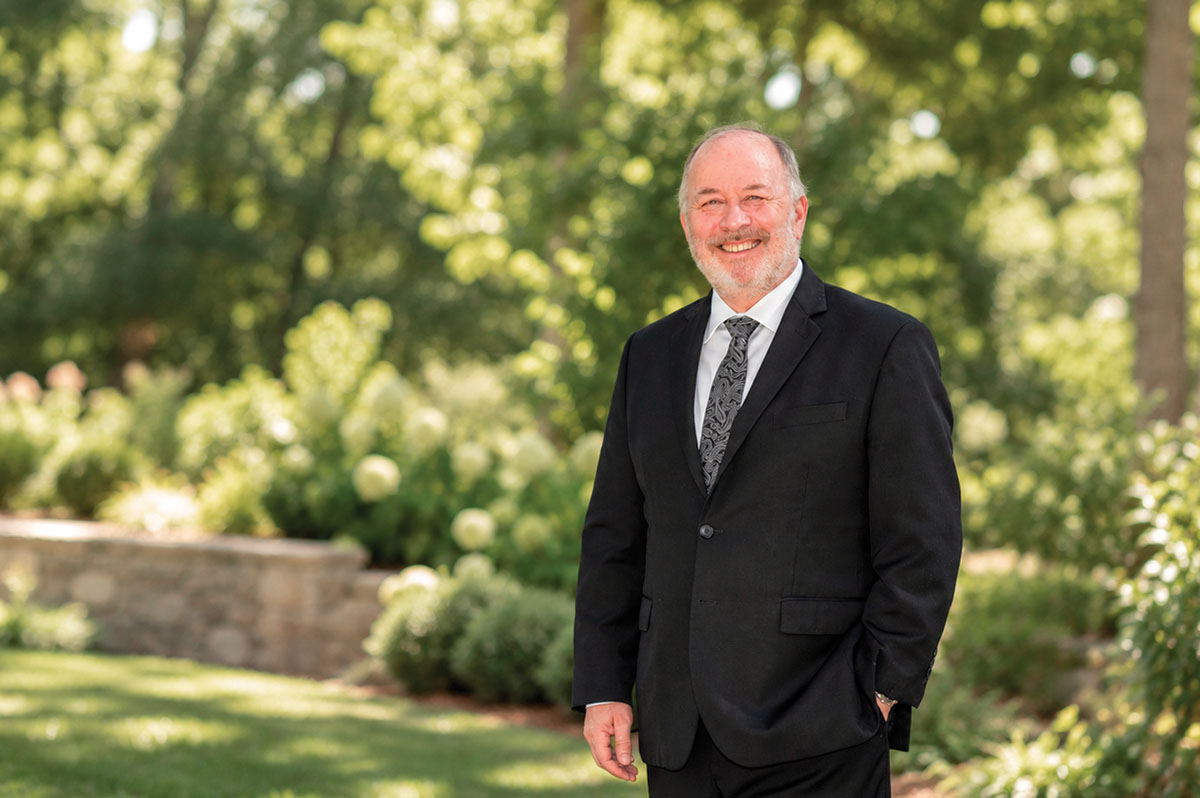
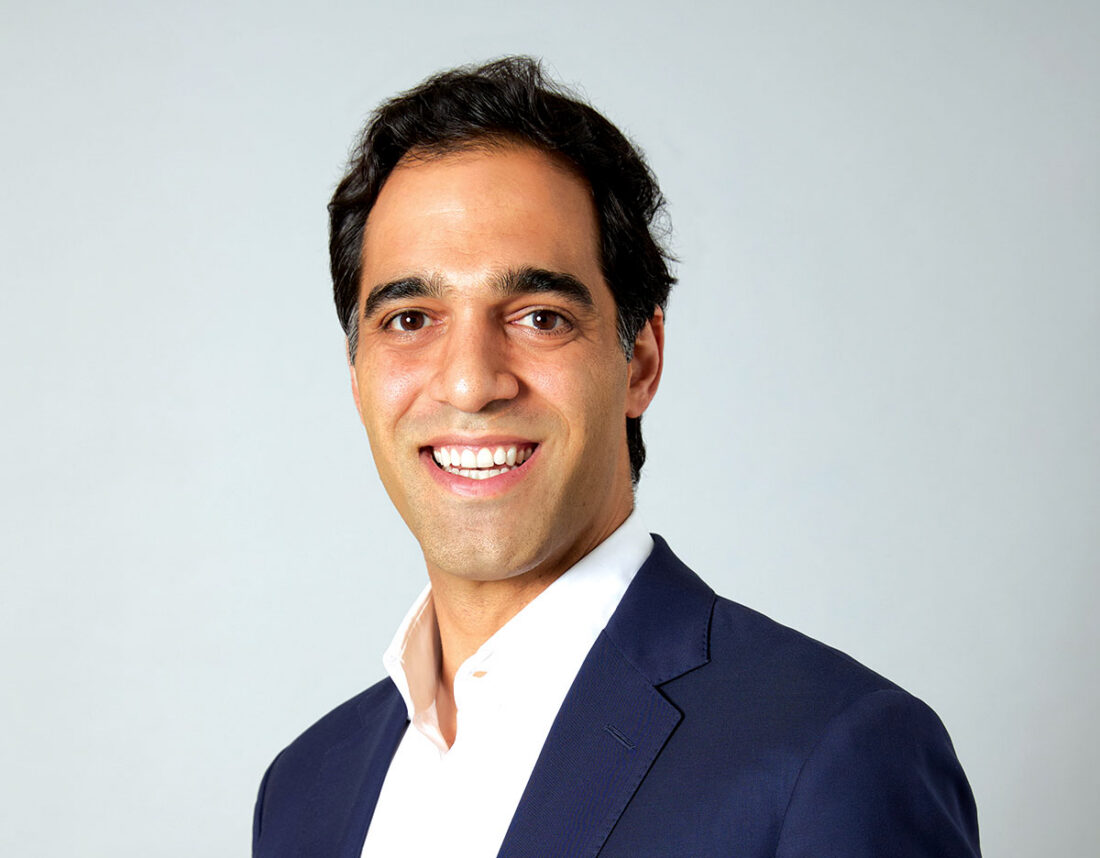
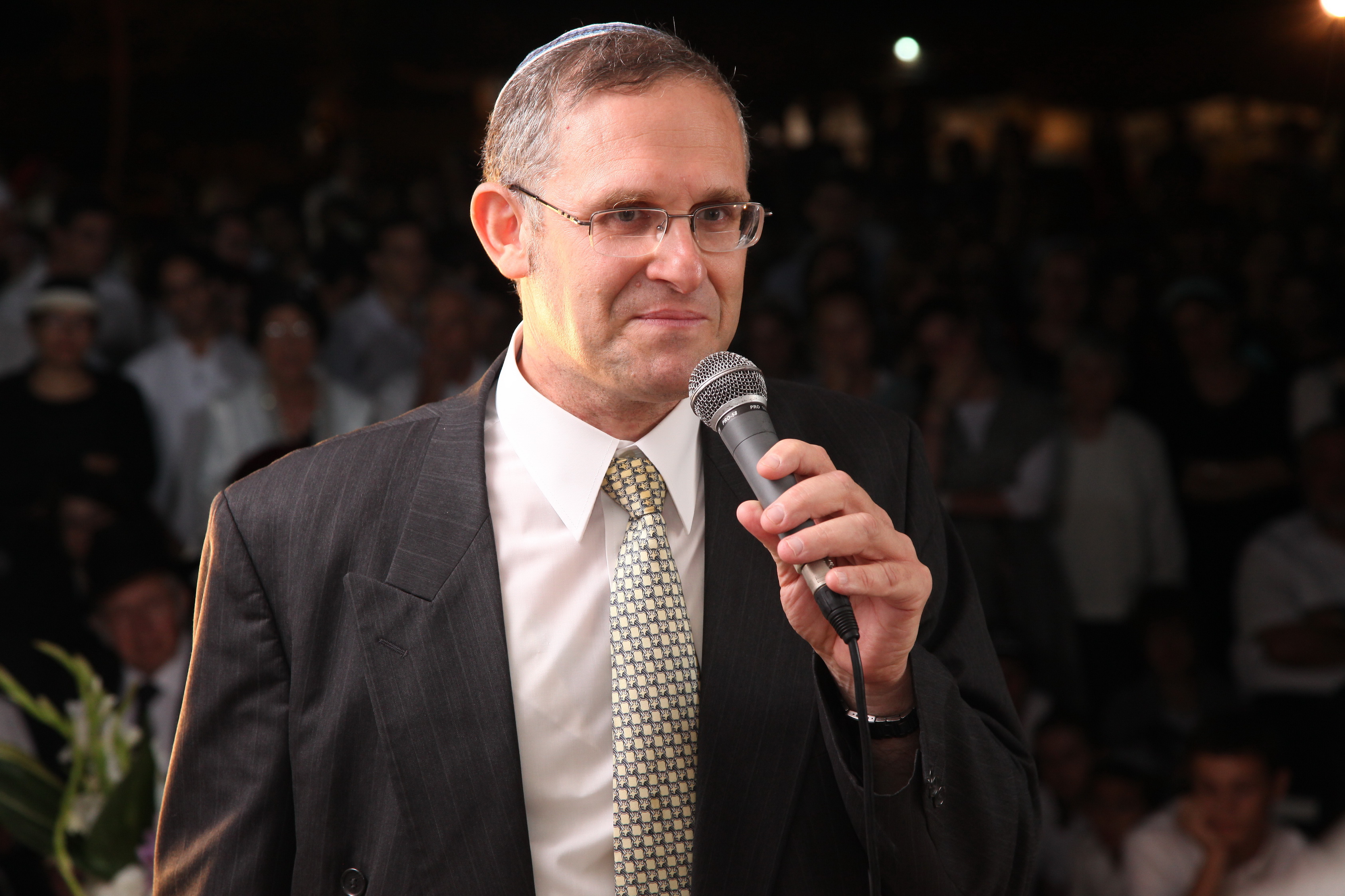
Our guest this week is Rabbi Mosheh Lichtenstein, Co-Rosh Yeshiva of Yeshivat Har Etzion in Alon Shvut. Rabbi Lichtenstein, son of Rabbi Aharon Lichtenstein, made Aliyah with his family in 1971 from New York. From 1979-1985, he studied at Yeshivat Har Etzion while serving in the IDF Armoured Corps. He received Semicha from the Israeli Rabbinate and a degree in English Literature from the Hebrew University in Jerusalem. Rabbi Lichtenstein has been a Ram in Yeshivat Har Etzion since 1992. While on sabbatical in Cleveland during the 97 and 98 academic years, he served as Rosh Kollel of the Torat Tzion Kollel. He also taught at Bruria, an Advanced Program for Women in Jerusalem from 1992-1997. Rabbi Lichtenstein is the author of Moses: Envoy of God, Envoy of His People and Netivei Nevua, an analysis of the haftarot.

This week’s Torah portion – Parashat Noach (Genesis 6:9-11:32) – features the famous story of Noah’s ark and of the great flood, as well as the story of the Tower of Babel. Our talk focuses on Noah as the resolution of the basic problem of human existence in Nature, a theme that runs like a thread through Parshat Bereshit.


Our past discussions of Parashat Noach:

Rabbi Sarah Hronsky on the powerful notion of one language for all humanity

Rabbi Lucy Diner on Noah’s curious proclivity toward alcohol

Rabbi Mishael Zion on Noah as a precursor to Abraham



Did you enjoy this article?
You'll love our roundtable.

Editor's Picks

Latest Articles

Post-Passover Pasta and Pizza

What carbs do you miss the most during Passover? Do you go for the sweet stuff, like cookies and cakes, or heartier items like breads and pasta?

Freedom, This Year

There is something deeply cyclical about Judaism and our holidays. We return to the same story—the same words, the same questions—but we are not the same people telling it. And that changes everything.

A Diary Amidst Division and the Fight for Freedom

Emma’s diary represents testimony of an America, and an American Jewish community, torn asunder during America’s strenuous effort to manifest its founding ideal of the equality of all people who were created in the image of God.

More than Names

On Yom HaShoah, we speak of six million who were murdered. But I also remember the nine million who lived. Nine million Jews who got up every morning, took their children to school, and strove every day to survive, because they believed in life.

Gratitude

Gratitude is greatly emphasized in much of Jewish observance, from blessings before and after meals, the celebration of holidays such as Passover, a festival that celebrates liberation from slavery, and in the psalms.

Freedom’s Unfinished Journey

The seder table itself is a model of radical welcome: we are told explicitly to invite the stranger, to make room for those who ask questions and for those who do not yet know how to ask.

Thoughts on Security

For students at Jewish schools, armed guards, security gates, and ID checks are now woven into the rhythm of daily life.

More news and opinions than at a Shabbat dinner, right in your inbox.