A swastika was discovered a building at Cornell University on April 13.
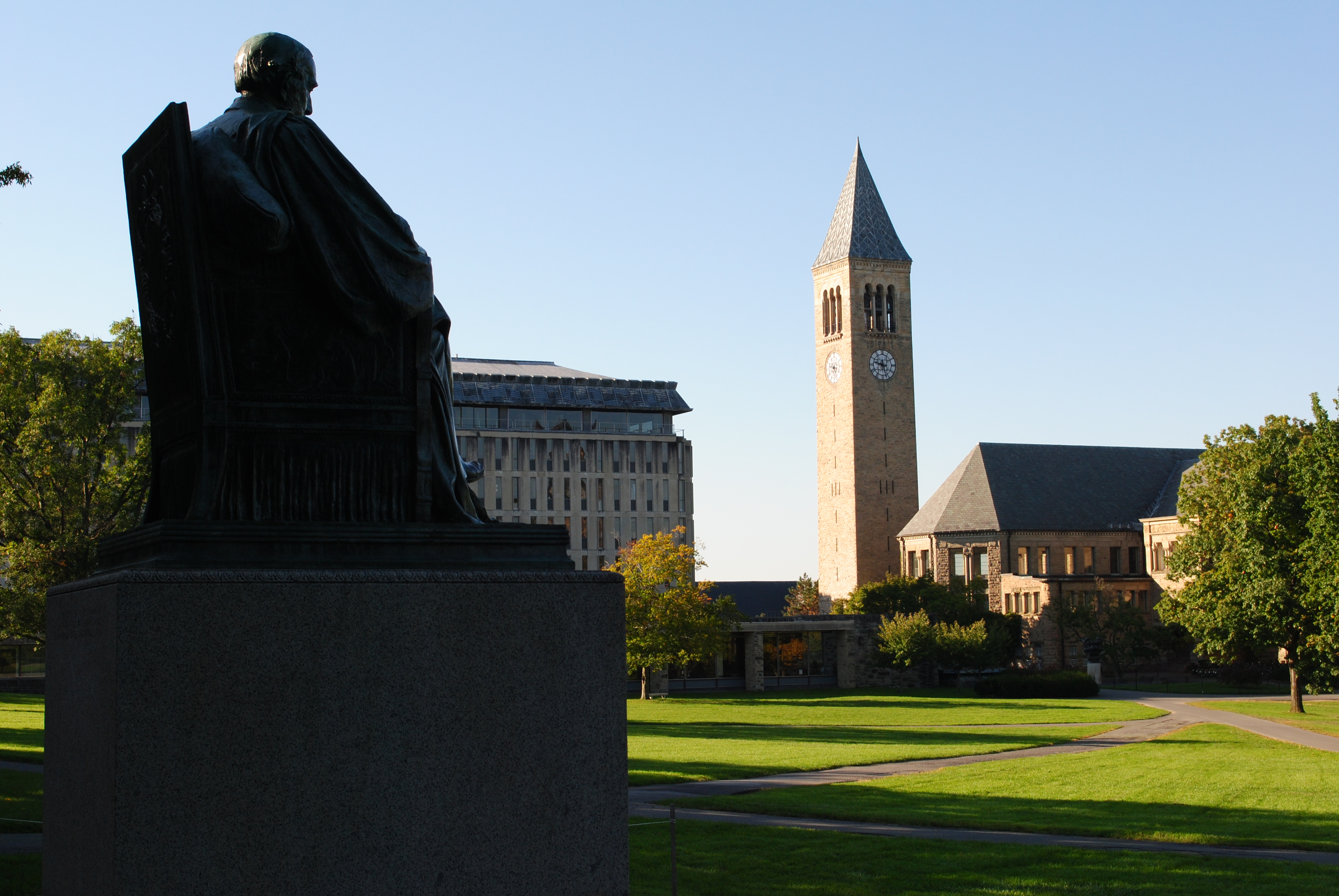
The Cornell Daily Sun reports that the swastika was found on the Goldwin Smith Hall building in the Arts Quad area on campus; Cornell President Martha Pollack said in a statement to the campus community on April 14 that the anti-Semitic depiction had been on the building “for quite some time.”
“This symbol of hatred, intolerance and anti-Semitism has no place at Cornell,” Pollack said. “While this cowardly act, which is being investigated by the Cornell University Police Department, defaced the physical campus, it will not deter us from our ongoing efforts to build an inclusive, empathetic and loving campus community.”
“We are deeply concerned to learn that a swastika was once again found on Cornell’s campus,” Cornell Hillel wrote in a Facebook post on April 14. “Though it appears the swastika may have been there for some time, its discovery now is no less upsetting. Swastikas are symbols of hate and anti-Semitism; this is an act that should never be tolerated on our campus.”
The Anti-Defamation League New York and New Jersey chapter tweeted, “It is deeply troubling to hear of another swastika incident @Cornell, after 3 more incidents reported last November. We will continue to speak out refuse to allow this to become the new normal. Pleased to see Cornell Police investigating.”
It is deeply troubling to hear of another swastika incident @Cornell, after 3 more incidents reported last November. We will continue to speak out refuse to allow this to become the new normal. Pleased to see Cornell Police investigating https://t.co/oB20HAdFQp
— ADL New York / New Jersey (@ADL_NYNJ) April 16, 2019
In November, three swastikas were found in a span of nine days on Cornell’s campus. Ryan Lombardi, vice president for student and campus life at Cornell, said in a statement at the time, “I vehemently denounce such acts, which are clearly intended to intimidate members of our community. The swastika has historically been – and continues to be – used as a symbol of intolerance, terror and repression against vulnerable communities.”