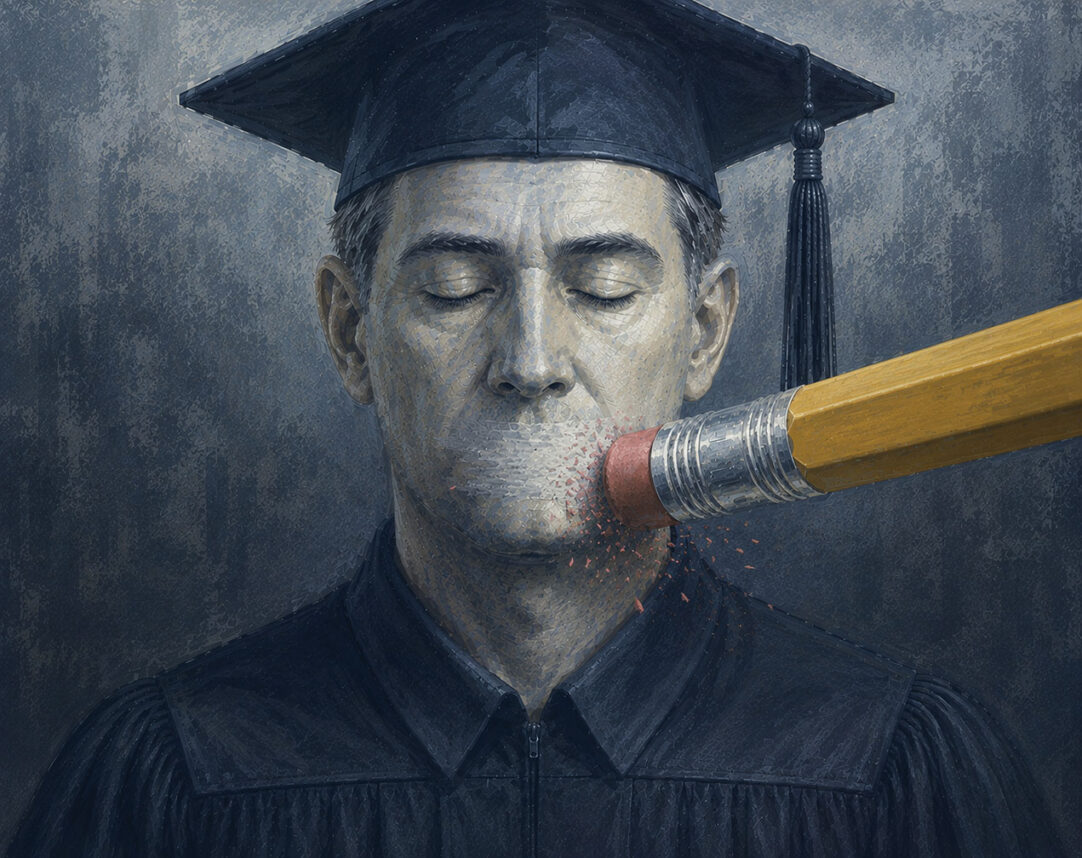
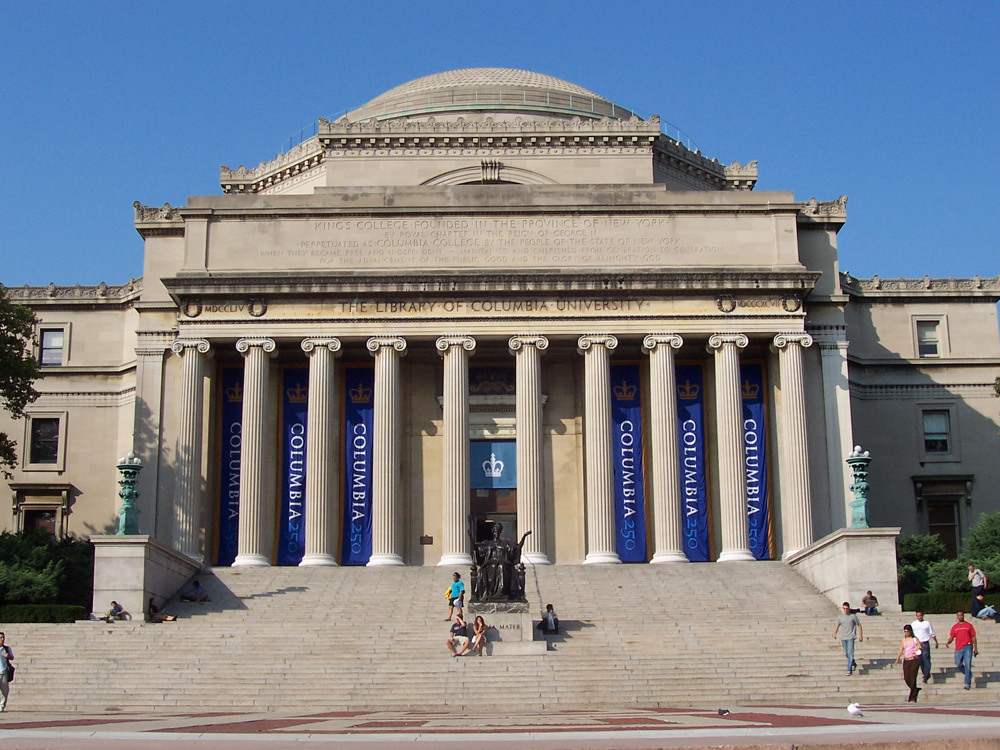
Columbia University received some backlash over releasing a statement about the Tree of Life synagogue shooting in Pittsburgh that didn’t initially mention Jews or anti-Semitism. They revised the statement, but they told a student they won’t publicly acknowledge it in mass email.
The original statement, which was signed by Executive Vice President for University Life Suzanne Goldberg and sent as a mass email, read: “For some in our community, this is a particularly frightening time as we have seen a growing number of highly visible attacks directed at faith and identity – on worshippers and people of faith as they go through their daily lives, on groups gathered to celebrate an LGBT Latin night at Pulse Nightclub, on civil rights and anti-racist protesters in the streets of Charlottesville, and in so many other places, as occurred in last Wednesday’s shooting of two African-American shoppers in Kentucky. Please know that you are not alone, and that you are a part of this community founded on the fundamental dignity and worth of all.”
After receiving criticism over failing to mention Jews or anti-Semitism in the statement, the statement was revised to read, “We are deeply saddened by the horrific anti-Semitic attack on Pittsburgh’s Tree of Life Synagogue on Saturday morning. Violence in our nation’s houses of worship is an affront to the freedoms our community holds dear. We stand strongly against yesterday’s violent attack on the Jewish community and against other efforts to create fear and terror.”
One Columbia student who criticized the initial statement, Gidon Halbfinger, told Goldberg in an email obtained by the Journal that while he appreciated the revision, it’s “mostly meaningless if no update is sent out to the campus community.”
“The Jewish students who received this email today are hurt and confused, and await an explicit message of embrace and comfort from Columbia,” Halbfinger wrote.
Goldberg replied to Halbfinger in an email, “It is important to make explicit the anti-Semitism here, which we did as quickly as possible. While we will not send the revised message as a large-scale email, we have publicized it widely, including to the [Columbia Daily] Spectator.”
However, sources at the Spectator say that the university never sent them the revised statement.
Additionally, Columbia Student Life Office’s Facebook and Twitter pages posted the statement on Sunday morning, hours before Columbia alumnus Zachary Neugut brought the statement to light in a tweet. Neither page has publicly announced the update.
Albert Mishaan, a computer science and philosophy major, told the Journal in a Facebook message, “Every single Jewish student I’ve spoken to has voiced displeasure with” the statement.
“I can only say with certainty that’s at least 70-80 people based on a Facebook post I made and interactions in group chats, but I’m sure it’s more because I can’t interact with everyone,” Mishaan wrote.
The university has not responded to the Journal’s requests for comment.
UPDATE: The Spectator published an article about the revised on statement on Wednesday.