University Synagogue was the host Oct. 12 for debates in two races for the Nov. 4 election — one between Elan Carr and Ted Lieu, running for the 33rd Congressional District seat, and another between Sandra Fluke and Ben Allen, who are vying for the California 26th state Senate seat. In addition, representing one side of the race for Los Angeles County’s 3rd District supervisor, candidate Bobby Shriver delivered remarks, while his opponent, Sheila Kuehl, appeared via a pre-recorded video message.
The triple-header featured the candidates discussing a range of issues both national and local, from Israel’s national security to Los Angeles’ transportation system, as well as reforming the United States immigration system and ensuring there is no asbestos in Santa Monica and Malibu schools.
Mirror Media Group, whose holdings include the Santa Monica Mirror, Brentwood News and Century City News, sponsored the event, which drew upward of 200 people.
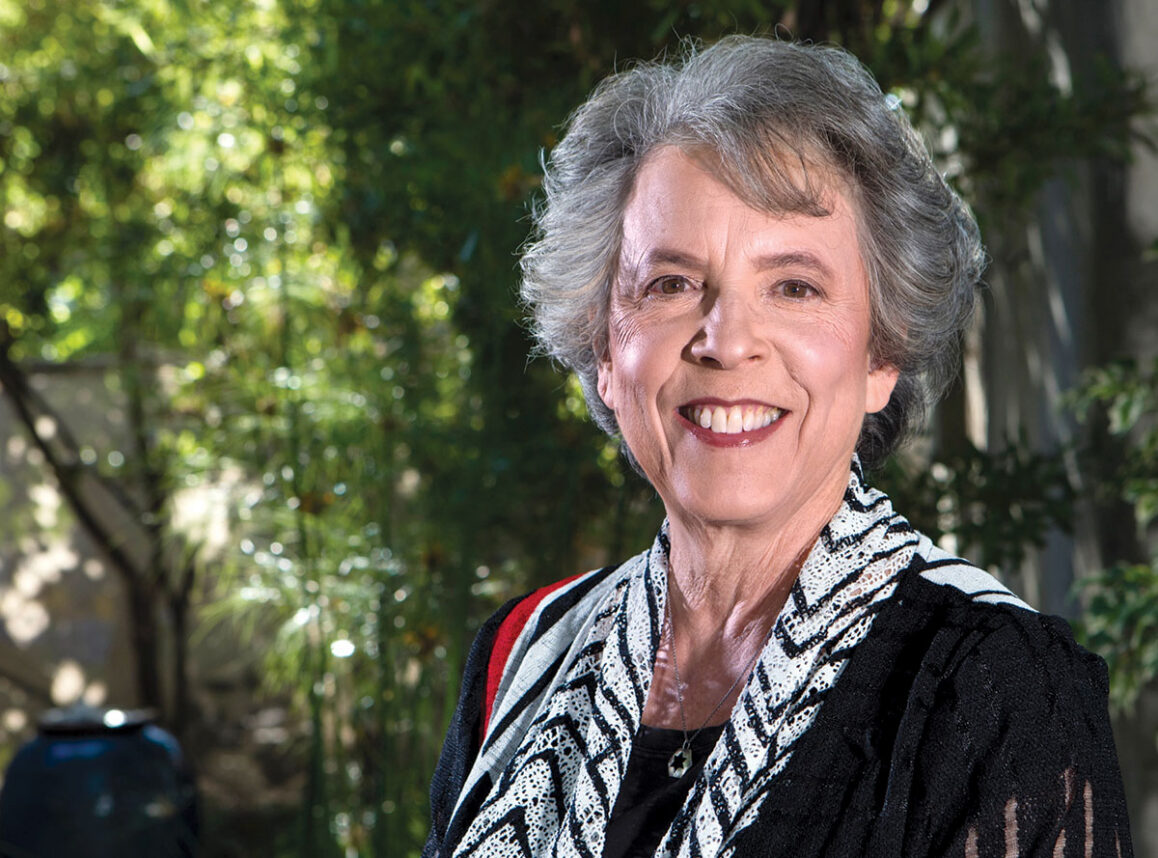
The winners of at least two of the races will have big Jewish shoes to fill. Carr and Lieu are vying to succeed Rep. Henry Waxman, who has served 40 years in the seat, while Shriver and Kuehl are squaring off to succeed Supervisor Zev Yaroslavsky, who is currently in his fifth term, the maximum allowed.
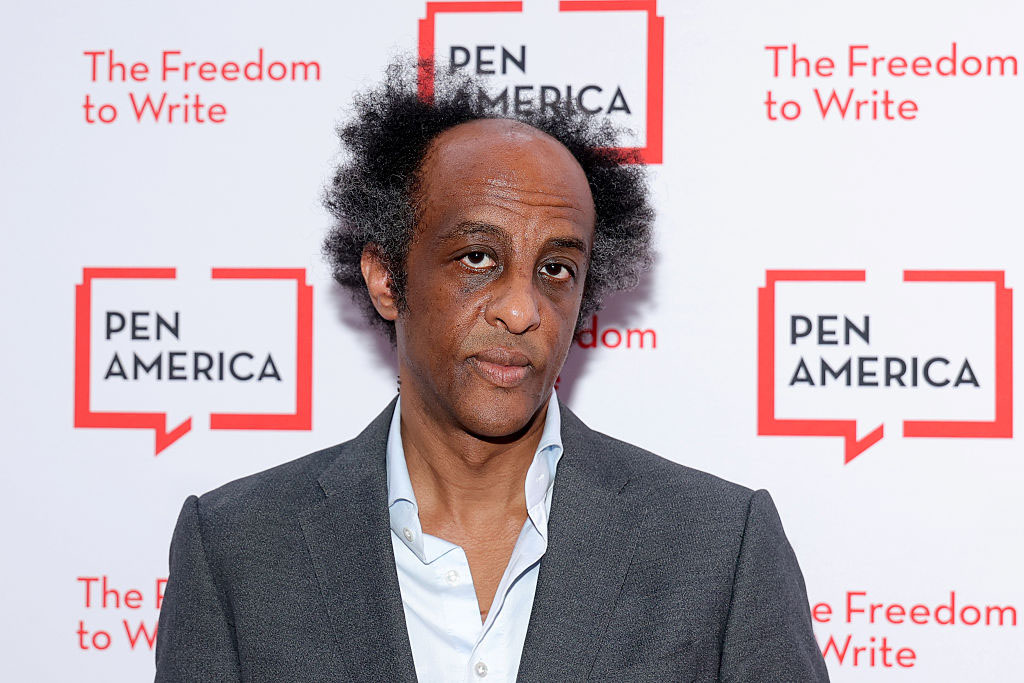
The debate between Carr and Lieu kicked off the afternoon, Brentwood News Editor Jeff Hall serving as moderator. The candidates discussed national security, immigration, education, employment and a range of other issues, seeking to distinguish themselves from one another.
The candidates belong to opposing parties — Carr, who is Jewish, is a Republican; and Lieu (who is not Jewish) is a Democrat — but, last week, the two men’s remarks underscored what they have in common: Both are pro-Israel and both are frustrated by the partisan politics in the House of Representatives, among other grievances.
Carr has family ties to Israel. He also served in Iraq in 2003 as a member of the U.S. military. He said he would be more than a “reliable vote” in Congress on Israel issues: “When I see the exposure to danger that Israel is facing today … it terrifies me,” Carr said. He described himself as someone who has background experience with Israel and is familiar with threats facing the country today.
Lieu promised to fight against “existential” threats to Israel and the United States. He set himself apart from Carr’s pro-military credentials by saying he is “skeptical of American military intervention,” adding that the situation in Libya today is more precarious than it was prior to the deployment of troops there by the United States and its allies following the Arab Spring uprisings. He also cited how American intervention in Iraq under the George W. Bush administration has left the country worse off than it was before.
During the Q-and-A portion, an audience member question about the legalization of marijuana spotlighted another difference between the two congressional candidates.
Carr said he would “absolutely not” decriminalize marijuana if he we were to be elected, stating that marijuana facilities around Los Angeles are a “source of crime,” citing his work as a criminal gang prosecutor on such cases.
Lieu won applause from the crowd when he said the opposite.
“I think it’s profoundly stupid that the U.S. government criminalizes marijuana,” Lieu told the audience. He pledged that as a member of Congress he would vote to decriminalize marijuana.
Harriet Epstein, a University Synagogue member and one of the event’s attendees, said afterward that she approved of Carr’s remarks on Israel. “It would be nice to [elect] someone who is a Jewish Republican, even though I’m a Democrat,” she said in an interview.
Epstein also revealed her voting plans for the Shriver-Kuehl race.
“I don’t always agree with him, but he has his head on straight,” Epstein said of Shriver. She also voiced approval of Allen, citing his credentials as a local who has done well.
Allen, 36, a Santa Monica-Malibu Unified School District board member, grew up in Santa Monica and attended Santa Monica High School. Allen’s mother is Jewish.
He faces, Fluke, 31, a graduate of the Georgetown University Law Center, who became nationally known in 2012 when she was harshly criticized by Conservative talk-radio host Rush Limbaugh after she testified before Congress, then a law student, on issues related to women’s reproductive health care.
This past summer, Allen and Fluke were the two youngest candidates in the crowded primary election for the 26th state Senate seat.
On Sunday, Allen and Fluke, both progressive Democrats, touted their interest in improving California’s education system. Fluke expressed hopes in making higher education more affordable, while Allen said he would promote, if elected, statewide investment in early-childhood education.
Allen also called himself a champion for the preservation of the Santa Monica Mountains and said he would like to see the state help to fund the Los Angeles metro rail, while Fluke said her No. 1 issue is campaign finance reform.
County Supervisor candidate Shriver’s remarks, like some of Allen’s, focused on Los Angeles transportation, among other local county issues.
“How many people would like a train that goes to the airport? You all need to vote for me,” the son of Eunice Kennedy Shriver and nephew of John F. Kennedy said in a stump speech, which followed Kuehl’s video message.
Shriver, who previously served on the Santa Monica City Council and as mayor of Santa Monica, heaped praise on the Metro Expo Line, which is headed to his city and now extends from downtown Los Angeles to Culver City. He also discussed the importance of county oversight over arts venues such as the Ford Theatres. The county recently announced a $54 million budget increase to arts and culture funding for the current year, and Shriver has made advocacy for the arts part of his political platform.
In her video message, Kuehl talked about her experience as a state legislator, indicating that it will be “directly relevant to what the County of Los Angeles does and, more importantly, what it is required to do for all of its 10 million residents”