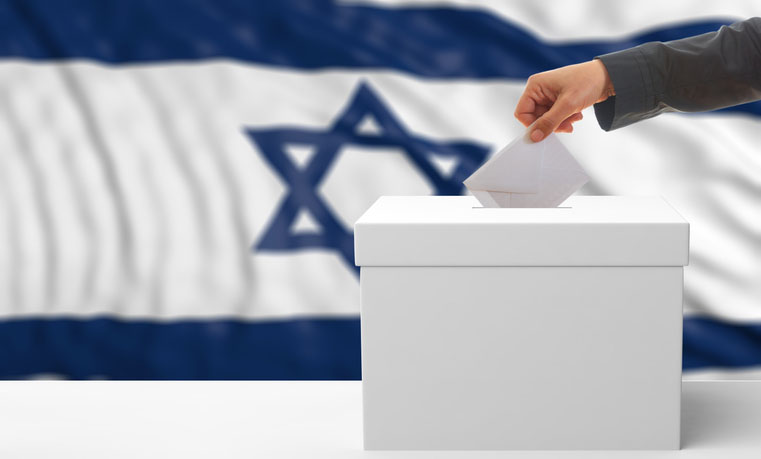
Jews no longer count in defining election outcomes. The Jewish community’s numbers are simply too small and getting smaller. Several decades ago, Jews comprised some 4% of the electorate; today this constituency accounts for less than 2%. The Jewish vote continues to decline in proportion to the overall national population and in relationship to other ethnic communities, portending a further weakening of this community’s political prowess at the polls.
This political reality may create a discussion around whether there still exists a “Jewish vote” or what strategic roles this constituency can play in future elections.
Despite all of the hype associated with the “Jewish vote,” Barack Obama held this constituency securing around 69% of the vote. While this percentage is below his 2008 total of 78%, Jews clearly remain embedded inside the Democratic Party. Since 1916 Democratic presidential candidates have on average secured 71% of the Jewish electorate. Jimmy Carter, George McGovern, Walter Mondale, and Michael Dukakis received less support from Jews than this President. This respondent had suggested prior to the election a 9-12% adjustment in the 2012 Jewish vote.
The number of Jewish elected officials at the federal level is dropping and the 2012 election points dramatically to these losses. Therefore, the overall political clout for the community will be undergoing a fundamental change. With fewer members in the House and Senate, this marker of political influence will need to be recast.
No doubt, there will be a new round of recrimination and anger from within the Jewish community following these election results. With Jews deeply divided over the President and his conduct of foreign affairs, the discourse around Israel and American priorities will remain intense over the months ahead. As in the past, American Jews did not vote the “Israel card” in this election but rather joined with other Americans in focusing their political energy around the economy, health care, and a host of other domestic-based considerations.