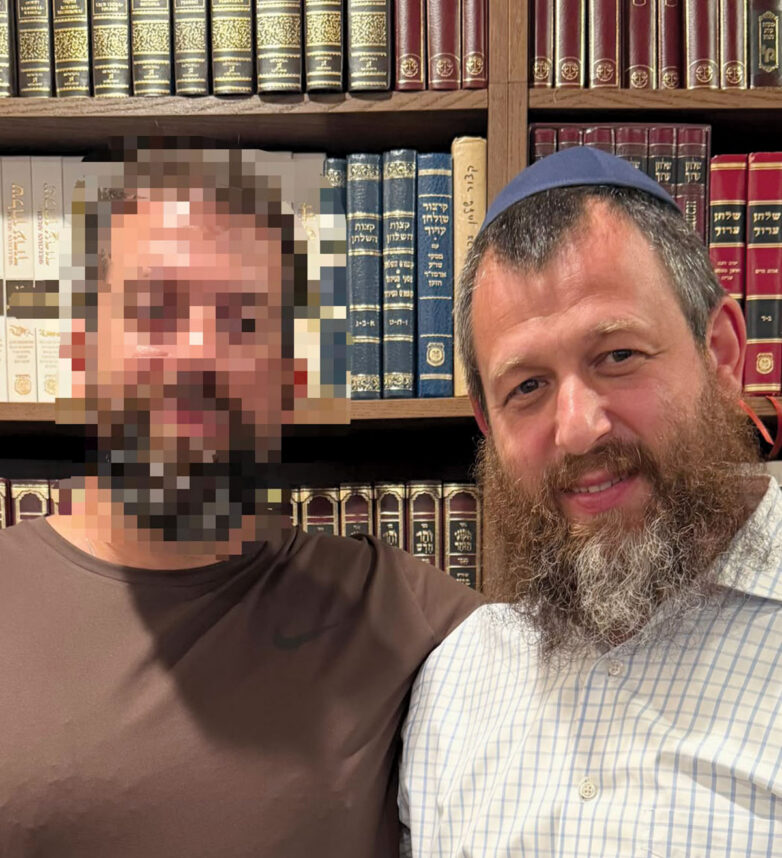
Rabbi Hershy Ten, president of Bikur Cholim Jewish Healthcare Foundation in Los Angeles, never thought the health care system needed much reform.
“Thank God, the United States has always been a destination for people from all over the world to come here to receive the best possible care. Our system of health care has always been a leader innovation, in safety, in creating proven therapies that have gone from the lab to patients’ bedsides,” he said. “So I never thought that our health care system required reform. But I do believe the insurance industry requires reform.”
Bikur Cholim offers health education to the Jewish community and support services to those facing illness, including helping them find physicians and navigating insurance.
Ten isn’t convinced that the Affordable Care Act will get more people better health care.
“The administration has always been motivated to see that more Americans are insured, and I believe Obamacare is an end to that means,” he said. “But, the fact that more Americans will be insured does not guarantee that more Americans will have access to health care.”
Most medical providers don’t accept public benefits, Ten said. He said for people on
Medicaid, finding a doctor is two-fold challenge. Very few providers accept Medicaid, and there is no comprehensive list of those that do. And he said almost no specialists or surgeons accept Medicaid. Many doctors don’t even accept some nationally known private insurers, because the reimbursements are not worth their time.
“Insurance does not allow for equal access, and my concern now is whether our already overburdened health care system will collapse under this new law,” Ten said.
Ten concedes that opening up insurance to those with pre-existing conditions, and other provisions in the health care law, will help those who can afford private insurance.
Ten said he would remain vigilant as implementation rolls out.
“I think for those of us dedicated to making sure people get quality health care, time will tell, he said. “ We need to stay focused on how things, at the end of the day, affect the people that need care.”