Let’s review. In the ‘70s there was the eat-only-grapefruit diet. In the ‘80s, I knew a woman who followed the eat-all-the-blueberries-you want diet. “They have no calories!” she enthused. “You can eat as many as you want!” Then the cavities and fainting spells kicked in. In the early ‘90s, a few dear friends sacrificed their heart valves to Phenfen. That brings us to the current fads, those protein- or carbo-heavy diets, which duke it out for best-sellerdom and celebrity endorsements. It makes me nostalgic for blueberries.
My own take on dieting is supremely simple-minded:
1. Eat more sensibly than you want to.
2. Exercise more than you want to.
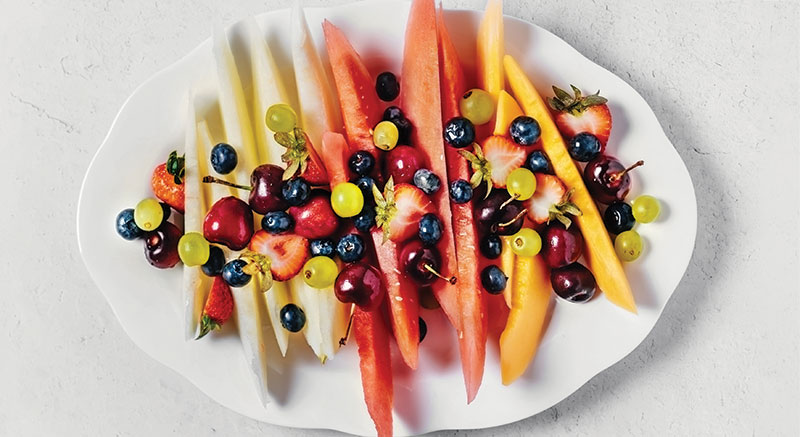
Don’t we all know what sensible eating means by now? Not too much fat, and good fats at that (olive oil, nut and seed oils, etc.); more grains and vegetables and fruits; less meat (lean), dairy products and fish. Am I missing something? Is another 30 years of diet scams and food fads going to change this?
That’s where my new fad diet idea kicks in: Sephardic cooking can be a different matter. Think of the ingredients: a lot of vegetables, couscous, rice, beans; meat in a cameo, not starring role, very little dairy products aside from yogurt, and olive oil instead of schmaltz or butter or margarine. It’s as if God favored His children from the Levant, then turned to the Ashkenazim and said, “I hope you know a good cardiologist.”
If you know your USDA food pyramid, if you follow the folks at the Framingham Heart Study, then adding more Sephardic dishes to your recipe file seems to make good health sense.
Fortunately, there’s no lack of cookbook resources to get you started. Joan Nathan, Claudia Roden, Faye Levy, Judy Zeidler and Gil Marks are all authors to look for. Or just wait until the big Sephardic Diet fad sweeps the nation. You heard it here first.
Now that Passover is nearly over, you can launch your own Sephardic diet fad with my recipe from a Mimouna celebration I attended in Jerusalem in 1985. This is a North African custom celebrating the end of Passover. I was working at a youth center in a now-gentrified, then-delapidated section of the city called Musrara. As Passover wound down neighbors through their doors open and the entire night, families went from house to house indulging in groaning buffets of pre-prepared sweets, cakes, cookies and quickly fried meat rolls, called cigarim. Okay, eat enough of the last ones and you’re not on the diet, but once in a while.
The best thing I ate that night were Maamoul, date-filled cookies that helped the fig liquor stay down. My friend Joan Nathan has a terrific recipe for them. Why reinvent the wheel.