
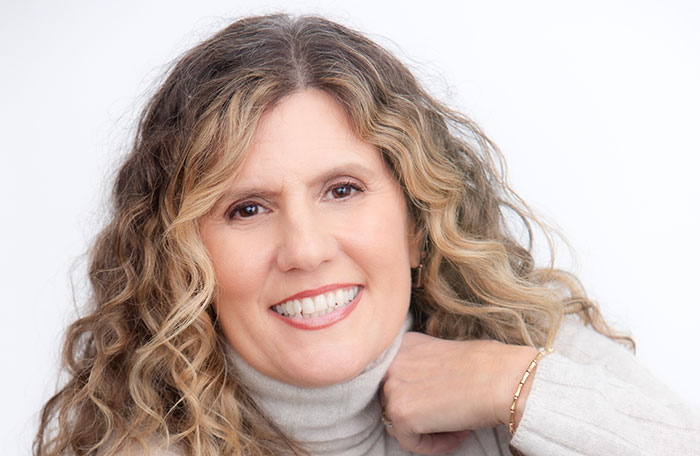
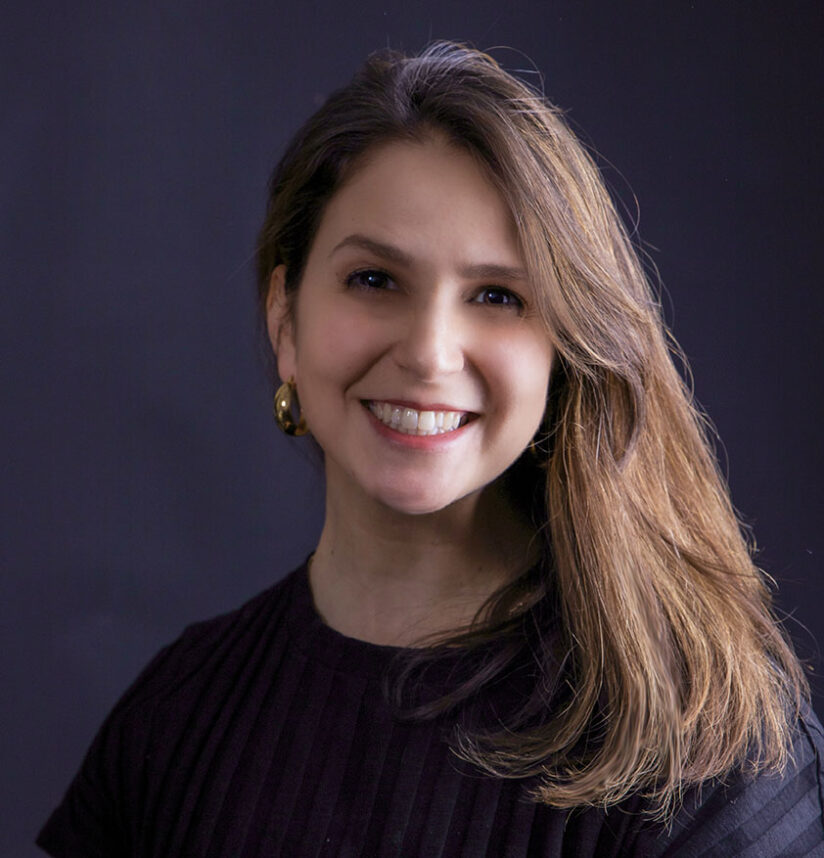
 Temimah Zucker is a licensed eating disorder therapist in New York.
 Fasting on Yom Kippur was the easy part for Temimah Zucker. The real challenge came after sundown, when her first bite of food reminded her that the fast was only temporary — she would have to eat, that night and every night thereafter.
It was Zucker’s first ritual fast since her eating disorder diagnosis two years prior. Although her rabbi and therapist deemed her fit to fast, forgoing food on Yom Kippur was a gamble that could have sent Zucker back to compulsive calorie restriction.
“It was torture,” she said. “I was reliving this major behavior that I’d been working so hard not to do.”
Fasting on Yom Kippur is a delicate matter for observant Jews recovering from eating disorders, whether or not they partake in the ritual: Many meet the halachic criteria for illness that exempts them from the fast, but eating on the holiest Jewish day feels unwarranted, even sinful, to those for whom fasting is a way of life.
Zucker, now fully recovered and a licensed eating disorder therapist in New York City, facilitates a support group for Orthodox women that addresses Jewish rituals such as fasting in the context of eating disorder recovery. Zucker said the idea for the group stemmed from her own recovery experience, during which she noticed a lack of treatment spaces that understand Jewish practice or incorporate Judaism as a source of healing.
“I like to connect the themes of Yom Kippur to my [recovery] journey,” Zucker said. “There’s a lot [in the holiday] about being on this precipice, not really knowing what’s to come, and being really stripped raw in your connection to God and mortality.”
“I like to connect the themes of Yom Kippur to my [recovery] journey. There’s a lot [in the holiday] about being on this precipice, not really knowing what’s to come, and being really stripped raw in your connection to God and mortality.”
— Temimah Zucker
Zucker said many women in the support group question why, if fasting is a way to connect with God, they are discouraged from doing it every day. Zucker addressed the question in an article for The Times of Israel, in which she argued that the underlying motivations for fasting and calorie restriction are different, and fasting beyond the circumscribed holidays would dilute the ritual’s meaning.
At the Renfrew Center, an eating disorder treatment facility in locations around the country that opened a Jewish track in 2009, patients often want to fast as an excuse to restrict calories and lose weight, said Jewish community liaison Sarah Bateman.
Bateman said the Renfrew Center approaches Yom Kippur on a case-by-case basis, weighing factors such as a patient’s mental state and how long they’ve been in recovery before approving a request to fast. Many Orthodox women who are too ill to fast require a dispensation from a rabbi, Bateman said, and the Renfrew Center makes an effort to contact rabbis who are familiar with eating disorders in the Orthodox community.
Rabbi Dovid Goldwasser of New York became an accidental eating disorder expert when an Orthodox family enlisted his help in facilitating their child’s recovery. Now a go-to figure for eating disorder guidance in the Jewish community, Goldwasser said he focuses on spirituality as an anchor for those in need of healing. For example, he adapted a prayer for those who must eat on Yom Kippur.
“Since your messengers allowed me to eat on this holy day, I ask You, please accept my eating as part of my service to You,” the prayer reads. “And, when I will eat this year, may it be considered as though I fasted the entire day.”
Goldwasser said he tells eating disordered individuals who seek his counsel that it is a mitzvah for them to eat on Yom Kippur, as Jewish law commands us to guard our health. God does not care much whether we fast on Yom Kippur, Goldwasser said, but rather whether we repent for our deeds and better our ways.
Still, in some cases, the rabbi’s advice does little to assuage the sense of failure that often preoccupies those with eating disorders.
“I told one young woman she had to eat on Yom Kippur, and she said, ‘I can’t believe it. I don’t do anything right, and now I have to mess this up, too,’ ” Goldwasser said.
Community is the best remedy for those who feel apprehensive about eating on the holiest Jewish day, said Rabbi Simkha Weintraub, rabbinic director of the Jewish Board of Family and Children’s Services in New York City. It holds group healing and meditation sessions for those with life-altering illnesses such as eating disorders and facilitates a network for people with similar conditions to share strategies and support.
“It’s so important not to suffer alone or in silence,” Weintraub said. “Helping somebody else is the best antidote.”
Weintraub, like Goldwasser, dismisses fasting as the most important aspect of Yom Kippur. The holiday’s themes of new beginnings, second chances and the imperative to reckon honestly with our behavior are all accessible to those who cannot fast, he said.
“The idea [of Yom Kippur] is not to have that relentless fantasy that we are in control of nature,” Weintraub said.
Relinquishing control is one of the High Holy Days themes that Zucker found meaningful during eating disorder recovery, and she revisits it each Yom Kippur.
“When you have an eating disorder, there are a lot of questions about what’s going to happen next — ‘Am I going to recover?’ ‘Am I going to live this year?’ ” Zucker said. “I told myself I may not be totally in control, but I can still make choices that are going to be best for me and my life.”

















 More news and opinions than at a Shabbat dinner, right in your inbox.