Engaging in teshuvah on a spiritual level is akin to finding our innermost point (nekuda hapenimit). The Sefat Emet taught, “For everything there is a point of essence (nekudah chayut) ….and the world is pulled by this single point.” Once we find this constantly evolving place of inner Godliness, we can nurture it and expand it from smallness to its inherent, infinite potential. This is, perhaps, the most important task of our lives. Teshuvah, the literal translation usually rendered as returning, is a process where constantly returning to a deep inner point of being is the objective; allowing these encounters to transform all that we do and all that we are.
Maimonides taught that: “The Jewish People will only be redeemed through teshuvah (Hilchot Teshuvah 7:5). None of us can hold off a moment of growth as no one has reached perfection. “There is no righteous individual on earth who does [only] good and never does wrong” (Ecclesiastes 7:20).
In Kabbalistic thought, coming to know one’s inner deepest self is coming to know something much deeper. Rebbe Nachman taught that if one could understand one’s inner conflicts than one could understand any outer world conflict. Shem Tov Ibn Falaquera taught:
They said that whoever knows his soul knows his Creator, and whoever is ignorant of knowing his soul is ignorant of the knowledge of his Creator. How can one believe that a person is wise concerning something else when he is ignorant concerning himself? … Therefore, they said that the knowledge of the soul is prior to the knowledge of God.
Similarly, Yosef Ibn Tzadik taught:
By man knowing his own soul, he will know the spiritual world from which he can attain some knowledge of the Creator, as it is written, “From my flesh I shall perceive God” [Job 19:26].
While religions across the world maintain their own systems of ritual and symbolism, each with their differing perspectives of human-divine interaction, it is our goal nonetheless that we keep our eyes focused on the main role of organized spirituality: to transform and elevate our core being to actualize our mission in this world. To do so, we must be engaged in a daily process of teshuvha.
There are so many ways to employ moral and spiritual growth (teshuvah). Consider, as examples, these types of teshuvah:
• Teshuva m’Ahava (from love) Teshuva m’Yirah (from fear)
• Teshuva that changes an individual and Teshuva that restores a person to a prior state
• Teshuva ben Adam L’Makom (between a person and Divine), Teshuva ben Adam L’Chaveiro (between people) and Teshuva ben Adam L’Atzmo (within oneself)
• Teshuva in times of sickness or distress
• Teshuva as an evolving and ongoing process vs. Teshuva as a single moment
• Teshuva of action vs Teshuva of one’s character or very being
• Teshuvat Ha’geder – putting up fences to protect ourselves from failing again
• Teshuvat ha’ba’ah – refraining from doing the same action we repented for in the past
• Teshuvat Ha’mishkol – removing pleasure in one’s life equal to the pleasure gained from the wrong done
• Teshuvat Hakatuv – accepting Divine judgment upon oneself for one’s wrong
• Teshuva of becoming and the Teshuva of return
• Teshuva of wrongs of omission and commission
• Teshuva for missed spiritual opportunities and opportunities that impact the lives of others
• Teshuva tataah (lower level) and teshuva ilia (higher level)
• Teshuva for the self and teshuva for a collective purpose as that of family, community, or the world.
And this is just the beginning!
We need game plans. How are we going to make every day count? May we all develop our plan of reflection and action so that we can actualize our greatest potentials.
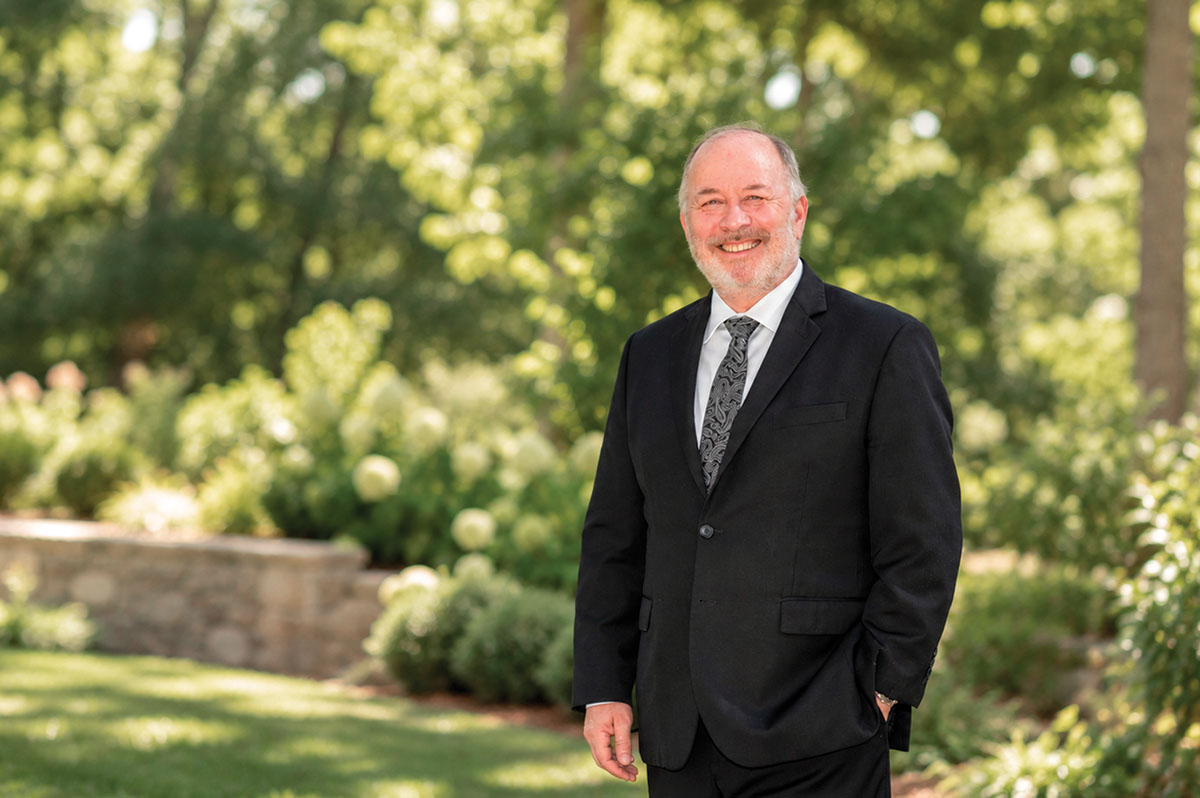
Rabbi Dr. Shmuly Yanklowitz is the Executive Director of the Valley Beit Midrash, the Founder & President of Uri L’Tzedek, the Founder and CEO of The Shamayim V’Aretz Institute and the author of seven books on Jewish ethics. Newsweek named Rav Shmuly one of the top 50 rabbis in America.”