
fbpx

A Bisl Torah – Time Management

The secret to time management is knowing what kind of time we hope to manage.
[additional-authors]
January 11, 2024
PM Images/Getty Images

Efficiency is overrated. Jim Benson, expert in time management claims that efficiency becomes “a limitless reservoir for other people’s expectations.” Author Oliver Burkeman explains that we should stop worrying about our overflowing to do lists, endless emails, and attempts to finish everything. Burkeman doesn’t imply that we ignore our responsibilities. However, he suggests we refrain from “clearing the decks.” Clearing the decks is the idea that through our busy work, we will eventually see blank slates and empty counters. The attempt is futile. Getting to a zero inbox leads to more emails and more responses. Checking off bucket lists means we will inevitably fill the list with other random duties. We are engaged in an endless race in completing meaningless tasks instead of choosing to engage in meaningful moments.

The secret to time management is knowing what kind of time we hope to manage. When we sit on our deathbeds, will we feel pride in conquering our emails or feel contentment in knowing we engaged with family and friends? Efficiency becomes less about giving our full attention to everything and more about determining who and what deserves our attention. Perhaps time management is best practiced when we see time as finite, practice “staying present” and wonder if our activities will leave positive impacts on future generations.

We learn that the first mitzvah given to the Jewish people is delineating time for the new Jewish month. Establishing Rosh Chodesh. The mitzvah is given after the story of our people enslaved in Egypt, finally experiencing the tastes of freedom. But perhaps, the gift of Rosh Chodesh has more to do than with just structuring the calendar. Perhaps God is reminding us that true freedom comes in understanding how to best use our time. Not merely fill time but rather, live purposefully.

May we manage our time wisely and in doing so, taste freedom.

Shabbat Shalom


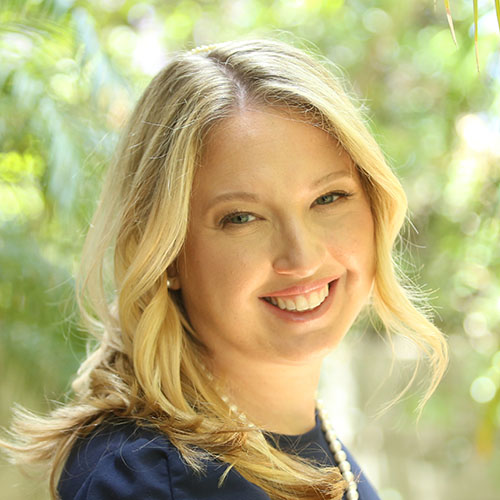
Rabbi Nicole Guzik is senior rabbi at Sinai Temple. She can be reached at her Facebook page at Rabbi Nicole Guzik or on Instagram @rabbiguzik. For more writings, visit Rabbi Guzik’s blog section from Sinai Temple’s website.


Did you enjoy this article?
You'll love our roundtable.

Editor's Picks

Latest Articles

Antisemitism, Deicide, and Revolution

The United States Conference of Catholic Bishops did a remarkable thing: It issued a memorandum to all American Catholic bishops urging them to prepare their teachings carefully during this Easter period and ensure that they accurately present the Church’s positive teachings about Jews.

Chametz Is More than Crumbs in the Corners of our Homes

Chametz is also something that gathers in the corners of our being, the spiritual chametz that, like the physical particles we gather the night before Passover, can infect, wither, influence and sabotage us as we engage with others.

Alpine Flavors—a Crunchy Granola Recipe

Every Passover, I prepare a truly delicious gluten-free granola. I use lots of nuts and seeds (pistachios, walnuts, almonds and pumpkin seeds) and dried fruits (apricots, dates and cranberries).

Pesach Reflections

How does the Exodus story, Judaism’s foundational narrative of freedom, speak to the present? We asked local leaders, including rabbis, educators and podcasters, to weigh in.

Rosner’s Domain | Be Skeptical of Skeptics, Too

Whoever risks a decisive or semi-decisive prediction of the campaign’s end (and there is a long list of such figures on the Israeli side as well as the American side) is not demonstrating wisdom but rather a lack of seriousness.

When We Can No Longer Agree on Who Is Pharaoh

The Seder asks us to remain present to the tension between competing fears and obligations. It does not require choosing one lesson over the other, but rather, it creates space for us to articulate our concerns and listen to the fears and hopes that shape others’ views.

Pesach at War. Leaving Fast, Leaving Slow.

Freedom, it would seem, is erratic; it happens in fits and starts, three steps forward and two steps back. Freedom is a leap into the unknown, driven by a dream. We will figure it out in time.

More news and opinions than at a Shabbat dinner, right in your inbox.