The Jewish month of Kislev ushers in Hannukah, the Festival of Lights. Our family spent the last few days dusting off our hannukiyah, cleaning candle wax and making room for the holiday to find a place in our home. Like other holidays, there is preparation. For Rosh Hashana and Yom Kippur, one prepares their soul, making amends with God, understanding where in our relationships we have fallen short. For Pesach, we prepare our homes, ridding leavened products from refrigerators and pantries to signify an elimination of ego and loftiness. But with Hannukah, the preparation isn’t as formulaic. How does one prepare for light to emerge?
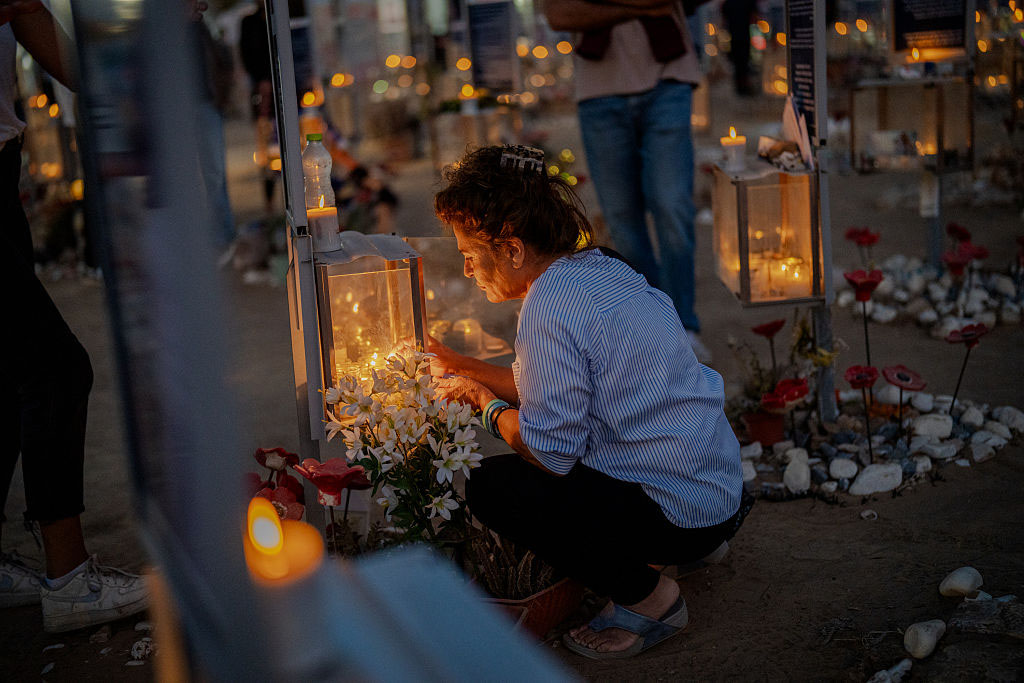
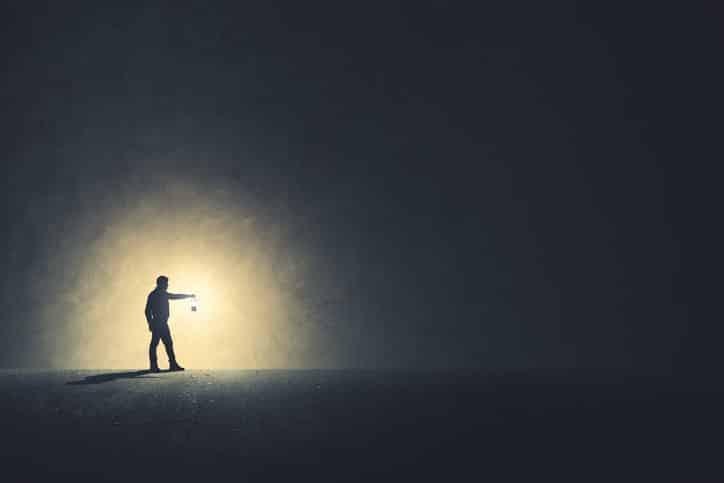
A gut response is that light fares best in the darkest of conditions. Throw on an overhead lamp and bring in a bunch of flashlights, the flickering candles won’t receive their due attention. Light shines when darkness pervades. The contradictions abound. Create ample darkness to amplify moments of light? Is that really what we are meant to prepare?
No. I think the preparation for Hannukah is understanding that despite the pervasiveness of darkness, light breaks through. Rabbi Nachman teaches, “Just as the plague of darkness immediately preceded the redemption from Egypt, so too, the darkest hour always comes right before the dawn.” During the bleakest of moments: personal depression, communal despair, divisions between family and nation, one prepares for light by not succumbing to darkness. One prepares for light by clinging to hope.
It takes one spark to illuminate a room. It takes one ounce of hope to change a person’s life.
Preparing for light is facing the darkness we feel, the darkness we experience and declare, this does not define me. No matter the heaviness of the night, there is room for light to emerge.
And a miracle of Hanukkah is choosing light, over and over again.
Shabbat Shalom
Rabbi Nicole Guzik is a rabbi at Sinai Temple. She can be reached at her Facebook page at Rabbi Nicole Guzik or on Instagram @rabbiguzik. For more writings, visit Rabbi Guzik’s blog section from Sinai Temple’s website.