fbpx

A Bisl Torah: A Last First

As tradition, we read the book, The Night Before Kindergarten. When we turned the page illustrated with crying parents, Henry paused our reading. He said, “They’re crying because the parents are sad that the kids aren’t babies anymore.”
[additional-authors]
September 1, 2021
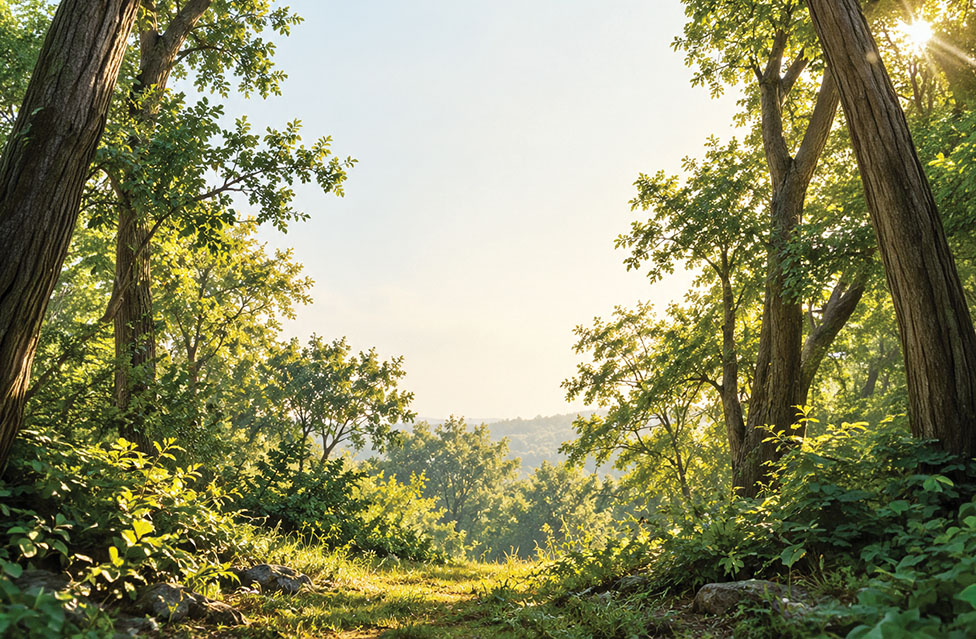
Photo by Katherine Chase on Unsplash

Our youngest child started kindergarten this week. It is a special feeling to have a “last first.”

As tradition, we read the book, The Night Before Kindergarten. When we turned the page illustrated with crying parents, Henry paused our reading. He said, “They’re crying because the parents are sad that the kids aren’t babies anymore.”

I wondered if my five year old’s assessment was correct. When we cry watching our children grow, be it starting kindergarten or graduating from high school, do tears represent a longing for the past? Or an excitement for what will come? Clearly, both emotions are intermingled as with any beginning, there is a solemn recognition of something coming to an end. And a sense of trepidation wondering what the future will hold.

Rosh Hashana signifies the end of 5781 and beginning of 5782. While many desire to wish this past year away, our tradition advises the opposite. We never wish time away. Each day is viewed as a gift, an opportunity to grow and face a world filled with endless possibility. The Psalmist reminds us, “Teach us to number our days, that we may gain a heart of wisdom.” The heart expands as we transition from “getting through a year” to finding meaning and hope in the time we are given.

It is a blessing watching my youngest child grow. The tears may fall as the baby years begin to wean, but each ending means a new beginning is ours to cherish. Thank God for the time we have been given. Thank God for each memory we will be blessed to create.

May it be a new year filled with recognition of yesterday, appreciation for today and gratitude for tomorrow. Amen

Shana Tovah and Shabbat Shalom


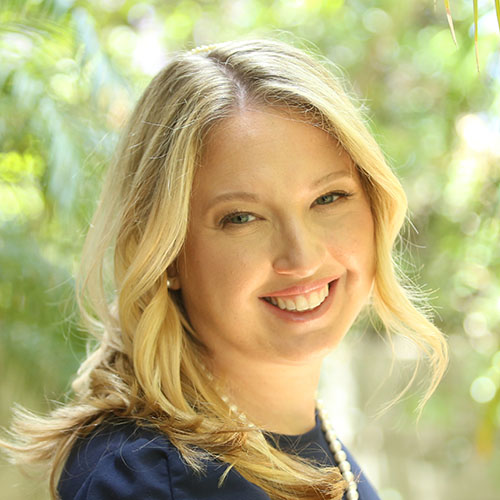
Rabbi Nicole Guzik is a rabbi at Sinai Temple. She can be reached at her Facebook page at Rabbi Nicole Guzik. For more writings, visit Rabbi Guzik’s blog section from Sinai Temple’s website.

Did you enjoy this article?
You'll love our roundtable.

Editor's Picks

Latest Articles

Post-Passover Pasta and Pizza

What carbs do you miss the most during Passover? Do you go for the sweet stuff, like cookies and cakes, or heartier items like breads and pasta?

Freedom, This Year

There is something deeply cyclical about Judaism and our holidays. We return to the same story—the same words, the same questions—but we are not the same people telling it. And that changes everything.

A Diary Amidst Division and the Fight for Freedom

Emma’s diary represents testimony of an America, and an American Jewish community, torn asunder during America’s strenuous effort to manifest its founding ideal of the equality of all people who were created in the image of God.

More than Names

On Yom HaShoah, we speak of six million who were murdered. But I also remember the nine million who lived. Nine million Jews who got up every morning, took their children to school, and strove every day to survive, because they believed in life.

Gratitude

Gratitude is greatly emphasized in much of Jewish observance, from blessings before and after meals, the celebration of holidays such as Passover, a festival that celebrates liberation from slavery, and in the psalms.

Freedom’s Unfinished Journey

The seder table itself is a model of radical welcome: we are told explicitly to invite the stranger, to make room for those who ask questions and for those who do not yet know how to ask.

Thoughts on Security

For students at Jewish schools, armed guards, security gates, and ID checks are now woven into the rhythm of daily life.

More news and opinions than at a Shabbat dinner, right in your inbox.