fbpx

A Bisl Torah — Strength in a Cookie

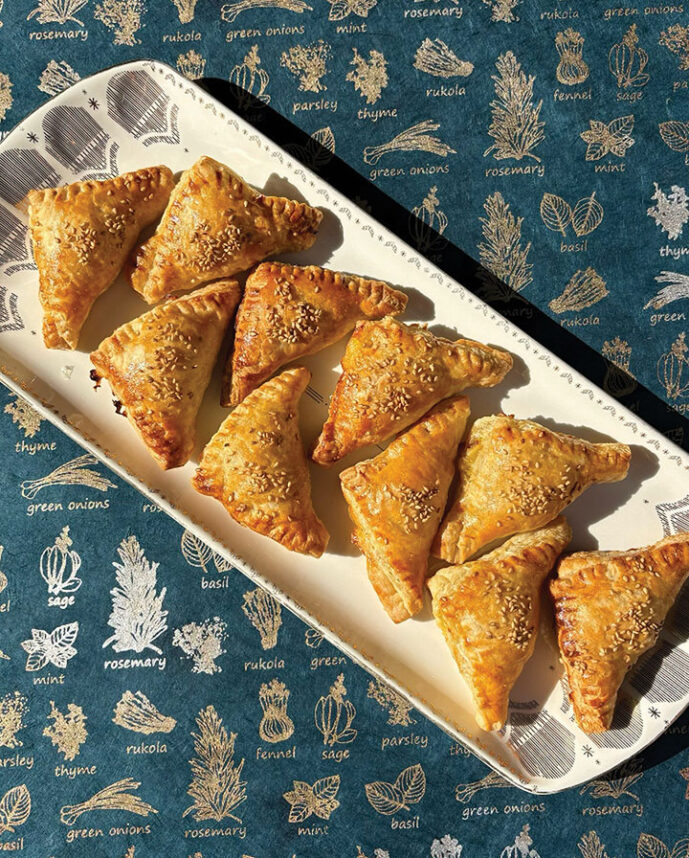
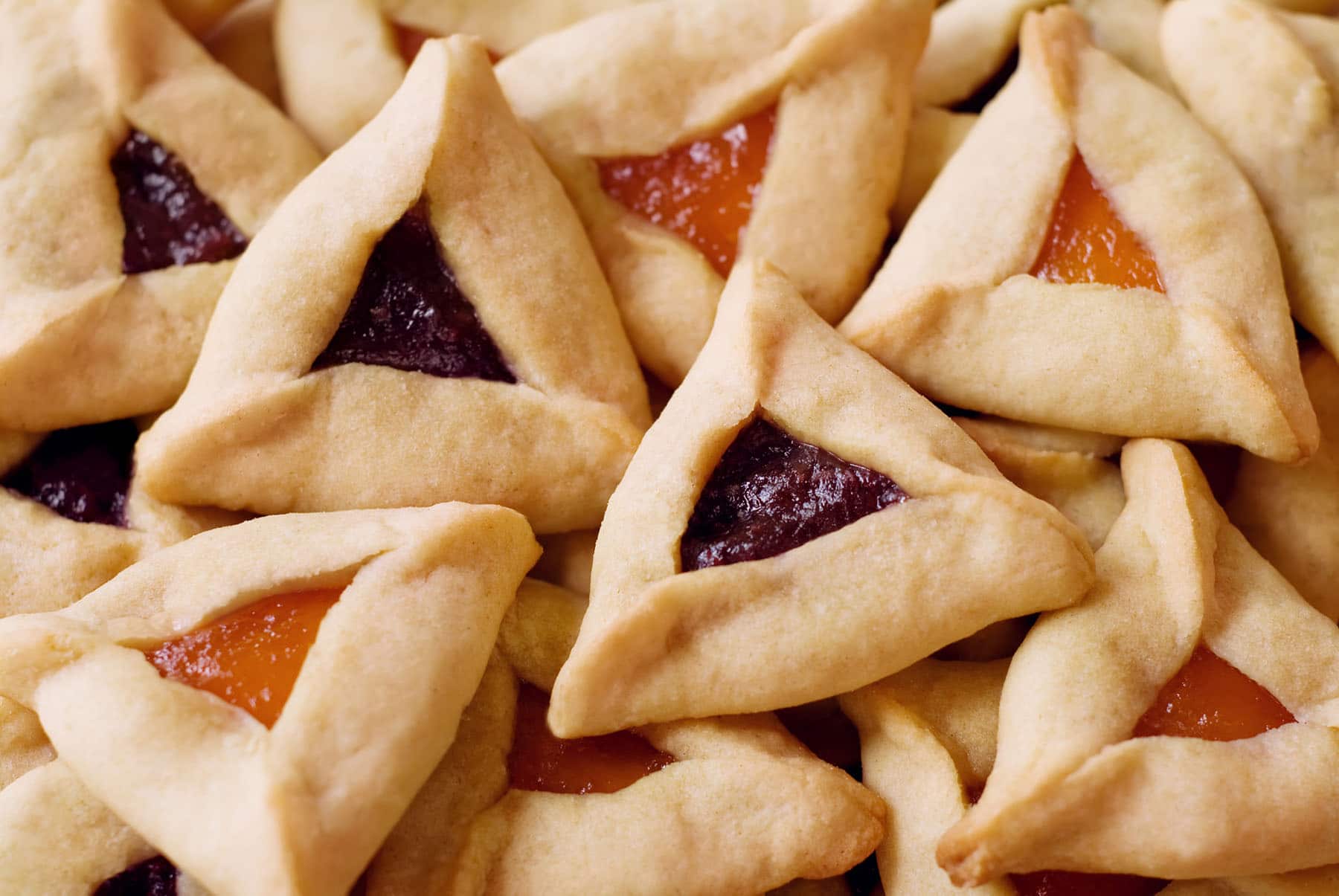
We continued our annual tradition of baking hamantaschen.
[additional-authors]
February 25, 2021
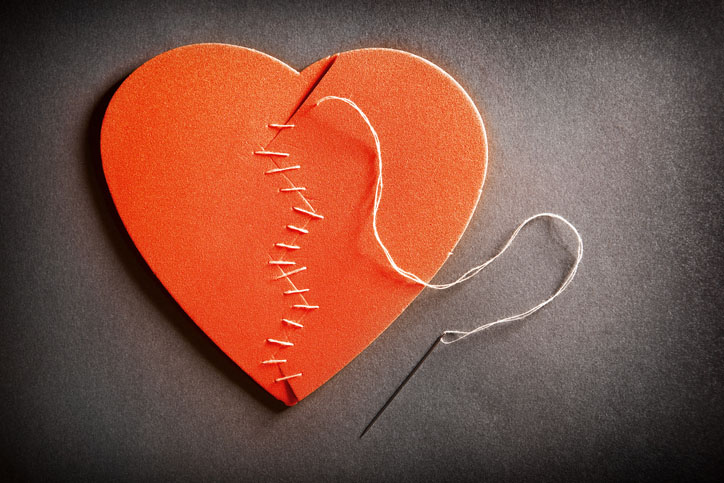
Photo by blueenayim/Getty Images

We continued our annual tradition of baking hamantaschen. This year, the experience was a little different. Sinai Temple joined 75 other families on zoom, communally made dough and laughed through our baking questions. How much flour? How do you create the perfect triangle shape? How many minutes in the oven?

But we also asked, “Why hamantaschen?” Meaning, why do we eat this funny shaped cookie during the holiday of Purim? Also called oznei-haman, the cookies are said to resemble Haman’s ears, the villain of the Purim story. Another popular explanation: in medieval Europe, yummy pastries called Mohn Taschen hit the bakeries. These poppy filled pocket-treats caught on, reminded Jews of the name Haman, and as they say…the rest is history.

One more lesson: Tash is Hebrew for the word “to weaken.” The eating of hamantaschen may remind us of ways to weaken those that wish us gone. But perhaps, more importantly, the making of hamantaschen reminds us of the ways to strengthen ourselves. That in a moment in time in which the Jewish community could have easily faded in the night, we continue to stand together. Baking. Learning. Growing. Strengthening our core of faith. Strengthening our ever-beating heart.

Who knew a little cookie had so much to teach?

Shabbat Shalom and Chag Purim Sameach!


Rabbi Nicole Guzik is a rabbi at Sinai Temple. She can be reached at her Facebook page at Rabbi Nicole Guzik. For more writings, visit Rabbi Guzik’s blog section from Sinai Temple’s website.

Did you enjoy this article?
You'll love our roundtable.

Editor's Picks

Latest Articles

Post-Passover Pasta and Pizza

What carbs do you miss the most during Passover? Do you go for the sweet stuff, like cookies and cakes, or heartier items like breads and pasta?

Freedom, This Year

There is something deeply cyclical about Judaism and our holidays. We return to the same story—the same words, the same questions—but we are not the same people telling it. And that changes everything.

A Diary Amidst Division and the Fight for Freedom

Emma’s diary represents testimony of an America, and an American Jewish community, torn asunder during America’s strenuous effort to manifest its founding ideal of the equality of all people who were created in the image of God.

More than Names

On Yom HaShoah, we speak of six million who were murdered. But I also remember the nine million who lived. Nine million Jews who got up every morning, took their children to school, and strove every day to survive, because they believed in life.

Gratitude

Gratitude is greatly emphasized in much of Jewish observance, from blessings before and after meals, the celebration of holidays such as Passover, a festival that celebrates liberation from slavery, and in the psalms.

Freedom’s Unfinished Journey

The seder table itself is a model of radical welcome: we are told explicitly to invite the stranger, to make room for those who ask questions and for those who do not yet know how to ask.

Thoughts on Security

For students at Jewish schools, armed guards, security gates, and ID checks are now woven into the rhythm of daily life.

Can Playgrounds Defeat Antisemitism?

The playground in Jerusalem didn’t stop antisemitism, and renovating playgrounds in New York City is not likely to stop it there, either — because antisemitism in America today is not rooted in a lack of slides or swings.

More news and opinions than at a Shabbat dinner, right in your inbox.