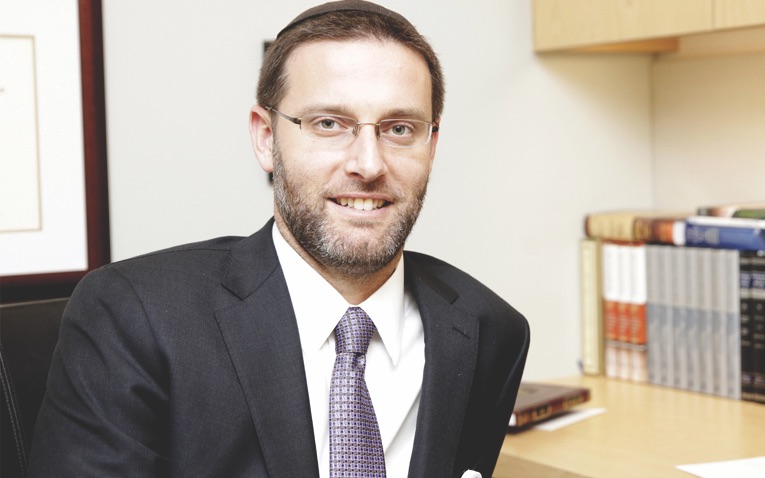
Imaginethe miracle of birth, the trillions of stars in the galaxy, the beauty of sunsets, and the sensory explosions of taste.
Imagine every awe-inspiring phenomenon that fills the universe.
Now realize that none of these things proves the existence of God.
God deliberately created the world like this.
Why?
Because God wanted there to be a creature that couldn’t be bullied by miracles
A creature who is no more than an infinitesimal speck yet has the ability to deny its Creator.
A creature that can spend its days chasing after every passion yet uses that same life force to uplift the fallen.
A creature that can contemplate the intricacies of nature, science, the vastness of the universe and, like Abraham, realize that behind everything is a single power, one God, who loves us.
The rape and murder of a 14-year-old Jewish girl in Germany, allegedly by an Iraqi asylum seeker, has shaken the country’s Jewish community and heightened debate over the German government’s immigration policies under Chancellor Angela Merkel.
The body of the girl, Susanna Feldmann, was found June 6 after she had gone missing on May 22. Authorities said she had been raped and strangled in a gruesome killing that left her face unrecognizable. The murder suspect, Ali Bashar, a 20-year-old Iraqi, came into the country as a refugee in 2015 and was awaiting an appeal of his application for asylum that had been rejected in 2016. After the crime, Bashar and his family fled to Iraq but he was apprehended there by Kurdish security forces and brought back by German law enforcement officials to face charges.
The Jewish news agency JTA reported that although there was no evidence that anti-Semitism played a role in the crime, concerns that it had been an anti-Semitic act spread quickly on German-Jewish social media.
In a media statement, the Central Council for Jews in Germany (Zentralat der Juden in Deutschland) expressed shock and sorrow while cautioning against speculation about the motive. The rabbi of the Mainz community, Rav Aharon Ran Vernikovsky, told Ynet: “Our community is in shock. We are trying to help the girl’s family.” He declined to comment for this story.
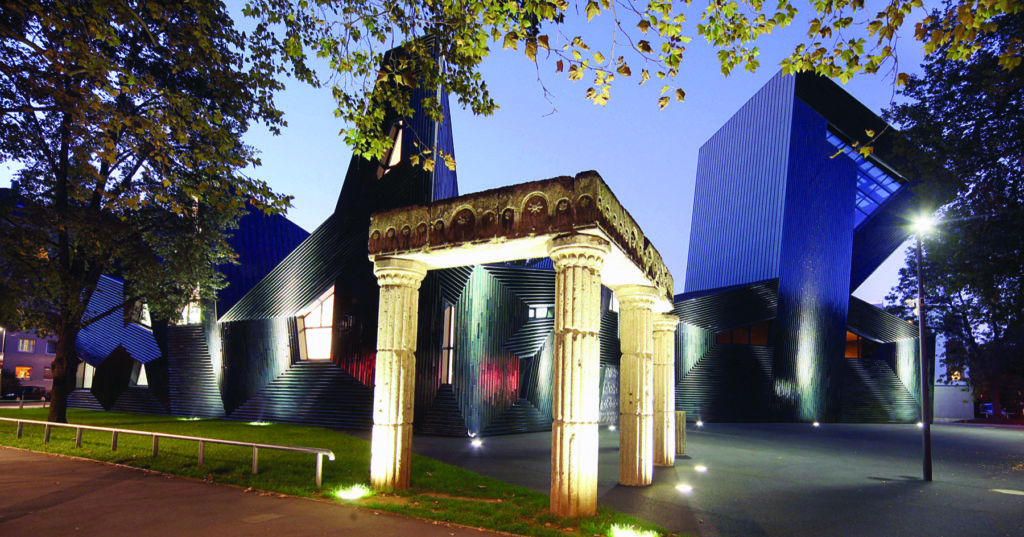
Feldmann’s body was discovered buried in a shallow grave along railroad tracks near Wiesbaden, roughly 10 miles and across the Rhine River from her hometown of Mainz, a culturally significant city in Jewish history whose Jewish population was erased in the Holocaust but to which Jews have returned and built an architecturally impressive synagogue. News reports identified Feldmann’s family as members of the Mainz Jewish community.
“Of course, it’s disturbing to the population here because the killer shouldn’t be in Germany.”— Jacob Gutmark
It was in Mainz and the neighboring riverside towns of Speyer and Worms where Jews were granted permission to settle, live and ultimately thrive during the 10th and 11th centuries up until the First Crusade. The area is considered to have been the cradle of Jewish life in Northern Europe. At their peak, Jews made up about 10 percent of Mainz’s population.
Mainz’s original synagogue complex, built in 1912 to accommodate a population of 2,500 Jews, was destroyed during Kristallnacht, along with the city’s Jewish community. Jewish life in Mainz was revived in the 1990s when some 100,000 Jews from the former Soviet Union were welcomed into Germany. Out of Mainz’s current population of 200,000, 38 percent are Catholic, 23 percent are Protestant, 5 percent are Muslim and 0.5 percent are Jewish.
A new synagogue, with a striking design by architect Manuel Herz, was built in 2010. In an homage to the written word, the synagogue’s shape spells out “kedushah,” or “holiness.” (Johannes Gutenberg, inventor of the printing press, was a child of Mainz — another poetic tie to people of the book.)
Feldmann has become somewhat of a martyr among critics of Merkel’s immigration policy, and her murder has thrown German politics into disarray as debates over the migrant crisis threaten the governing power of Merkel and her Christian Democratic Union party (CDU). Days after the murder, the CDU’s conservative sister party, the Christian Social Union (CSU) of Bavaria, threatened to bolt the coalition if Merkel did not install stricter border controls, which she eventually did in early this month.
Days after the girl’s murder hit front pages, Thomas Seitz, a parliament member of the right-wing Alternative for Deutschland (AfD) party — which Jewish leaders allege advocates anti-Semitic and racist views — attempted to hold a moment of silence in her honor before a parliamentary session. The parliament’s Vice President Claudia Roth, of the left-wing Green Party, quickly interrupted it, arguing that the unannounced moment was a political stunt that went against protocol.
Susanna Feldmann’s mother, Diana Feldmann, a Jew of Moldovian descent, posted video of the incident on her Facebook page, prompting largely left-wing media commentators to warn her not to allow her daughter’s death to be “instrumentalized” by the right.
Jacob Gutmark, head of the Jewish communities of Hessen (of which Wiesbaden is the capital), said local Jews have been unnerved by the murder, how its investigation initially was conducted, and the fact that the suspect had been allowed to stay in the country.
“Unfortunately, in this case [local authorities] knew she left [home] a few times, didn’t go to school a few times,” said Gutmark, who is Israeli-born. “Of course, they made mistakes — we’re not specialists in this. Of course, it’s disturbing to the population here because the killer shouldn’t be in Germany.”
News reports indicated that Feldmann visited the immigrant center where Bashar lived, and that she may have had a relationship with his younger brother. She was considered an assimilated Jew. Her parents are divorced and her father is not Jewish.
Gutmark said Jewish communities in Germany generally like to maintain a low profile. “Living in a major population of non-Jews, we stay politically correct here,” he said.
However, on June 23, a grass-roots memorial march was held near the site where Susanna Feldmann’s body was found. In a video of the memorial posted on Facebook by her mother, an Israeli flag can be seen being waved among German flags, “Merkel must go” signs and anti-immigrant signs.
According to the right-wing German website Journalisten Watch, a friend of the Feldmann family, wearing a kippah, led protesters in a reading from Jeremiah that included the verse: “My heart is faint. Behold, the cry from the daughter of my people, from a land far off.”
Orit Arfa is a journalist and author based in Berlin. Her second novel, “Underskin,” is a love story of Berlin and Tel Aviv.
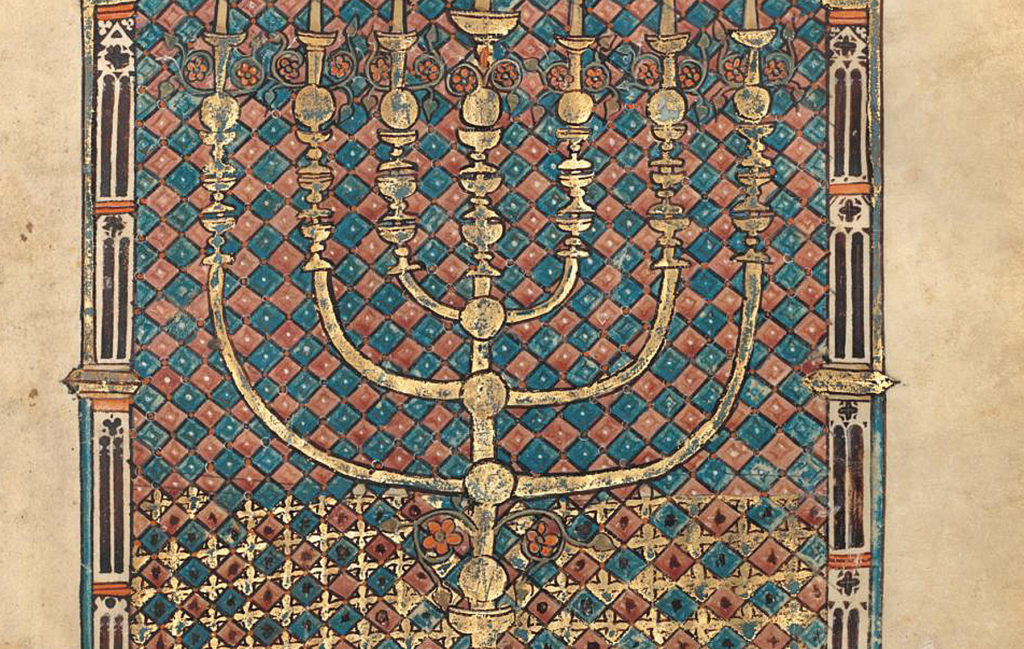
What is 1,168 pages long and 700 years old? That would be the Illuminated Rothschild Pentateuch, an ancient Torah recently acquired by the J. Paul Getty Museum.
“It’s the era essentially before 1300,” Elizabeth Morrison, senior curator of manuscripts at the Getty, told the Journal via phone. “In the 22 years I’ve been here, I think we’ve been able to collect something like five objects from the 13th century,” she said. “The further you go back in time, the less there is available. To have [this manuscript] with the Hebrew codex on top of that, was just amazing to us.”
Created by an unknown artist and dated 1296, the pages are filled with lively decorative motifs, hybrid animals and humanoid figures, with text featuring gold lettering.
“The images are really trying to bring attention to the words themselves, which convey God’s meaning,” Morrison said. “Trying to look at and understand the layers of these pages I think will be endlessly fascinating for visitors.”
Morrison said the Getty had been searching for decades for a great Hebrew manuscript to add to its collection.
“Our collection was founded in 1983 with the acquisition of a large private collection from Germany called the Ludwig Collection,” she said. “We were able to acquire the entire collection at once, [but] it didn’t have a Hebrew manuscript.”
“If you look at thisobject you have the entire story of the Jewish Diaspora from the Middle Ages to today.”— Elizabeth Morrison
Enter the Rothschild Pentateuch, which was brought to the museum privately by a representative of the family and made possible with the support of the Ronald S. Lauder family.
“If you look at this object, you have the entire story of the Jewish Diaspora from the Middle Ages to today just by tracing the roots of the single manuscript,” Morrison said. “All the Jews were kicked out of England in 1290, and because of certain clues we see in the formulation of this particular text, we think that it was either made by or for English émigrés who settled either in France of Germany,” she added.
Morrison said they were able to trace the journey of the manuscript to 15th-century Italy – — “because we have signatures of people in Italy.”
The manuscript later traveled to Poland, then back to Germany, where it joined the Rothschild Collection. It was then donated to a German public library, where it remained during World War II. After the war, it was traded to a Jewish family that had immigrated to the United States, who in turn traded it for land that they had in Frankfurt. That family immigrated to Israel.
“We are the current safe-keepers of this manuscript, so I feel like we, as the Getty, are the most recent in this incredibly illustrious line,” Morrison said. “The story continues to build in our own lifetime.”
The Rothschild Pentateuch is the only illuminated medieval Hebrew manuscript in California. (The Rothschild Pentateuch has 150 illuminated pages). While UCLA has a few Hebrew manuscripts from the Middle Ages, they’re not illuminated.
“I feel like this is our opportunity not only to reach out and make a connection with the large Jewish community here in Los Angeles,” Morrison said, “but everybody’s going to be fascinated by this.”
The Rothschild Pentateuch will debut at the Getty Center in “Art of Three Faiths: A Torah, a Bible, and a Qur’an” beginning Aug.7, and will run through Feb. 3.
Say this 10 times fast: She sells seashell succulentsby the seashore.
Repeating this tongue twister may be tough, but creating an actual seashell succulent arrangement is easy. Large seashells make beautiful containers to hold flowers and plants, and succulent arrangements in particular will last a long time.
If you’re wondering where you can get a large seashell, you can find them at crafts stores like Michaels for about $20. That’s also where I purchased the moss needed for this project. As for the succulents, try to get cuttings from your yard or from a friend’s yard. Many succulents look like coral, so they work perfectly with seashells.
What you’ll need:
Large seashell
Succulent cuttings
Moss
1. Gather a variety of succulent cuttings. When cutting, try to leave as much of the stem as possible so it can be tucked into the cavity of the seashell.
2. Soak handfuls of moss in water, and squeeze out the excess moisture. Then stuff the moss into the cavity of the seashell.
3. Insert the succulent cuttings into the shell. The moss will help hold the succulents in place. Periodically add water to the moss to keep the succulents fresh.
Jonathan Fong is the author of “Flowers That Wow” and “Parties That Wow,” and host of “Style With a Smile” on YouTube. You can see more of his do-it-yourself projects at jonathanfongstyle.com.
Thousands of people have signed a petition calling for Columbia University to remove anti-Zionist professors from campus.
The petition from #StopAntisemitism states that Columbia populated the university with professors that “well-documented histories of demonizing Israel and the Jewish people” and allows “these professors to freely spread their hateful propaganda without leaving any room for more balanced opinions.”
#StopAntisemitism provided a list of 12 professors as examples, which includes Hamid Dabashi, the professor who has referred to Zionists as “hyenas” and “master thieves.” Another professor, Rashid Khalidi, has downplayed the danger that the Hamas and Hezbollah terror groups pose to the United States and was allegedly a spokesperson for the Palestine Liberation Organization (PLO).
Other Columbia professors have denied Israel’s right to exist altogether. For instance, Mahmood Mamdani has said that “Jews can have a homeland in historic Palestine, but not a state.” Similarly, Joseph Massad has said, “The Jews are not a nation” and that Israel “is a racist state that does not have a right to exist.”
“This cuts more deeply for students who happen to be Jewish or support the state of Israel, because they will most likely be attacked, bullied, and harangued into supporting the destruction of the only Jewish state,” the #StopAntisemitism website states. “As supporters of open debate and rigorous academic inquiry, we must ask if this environment truly encourages debate among those with differing viewpoints.”
The petition advocates for Columbia “to condemn anti-Semitism, to remove professors who bluntly promote anti-Israel propaganda, and to hire professors who will provide their students with balanced views of the Middle East.” It also calls on Columbia to disclose any foreign funding they are receiving.
As of publication time, the petition has received more than 4,500 signatures; the goal is 5,000.
Columbia has not responded to the Journal’s request for comment.
Vice President Mike Pence spoke out against the rising anti-Semitism in Europe in a July 26 speech at the Ministerial to Advance Religious Freedom in Washington D.C.
Pence discussed the United States’ commitment to upholding religious liberty at home and abroad and highlighted countries that frequently discriminate against certain religions, such as Iran, China, Nicaragua and Russia.
The vice president then turned to the increasing perils Jews face in Europe.
“Just 70 years after the Holocaust, attacks on Jews, even on aging Holocaust survivors, are growing at an alarming rate,” Pence said. “Last year, hate crimes against Jews hit a record high in the United Kingdom. And in the same period of time, there were an average of nearly four attacks against Jews every day.”
Pence also mentioned how France in particular has become dangerous for Jews, pointing to the 2015 kosher supermarket terror attack and the 2012 targeted shooting at a Jewish school that killed four children.
“It is remarkable to think that within the very lifetimes of some French Jews — the same French Jews that were forced by the Nazis to wear identifiable Jewish clothing — that some of those same people are now being warned by their democratic leaders not to wear identifiable Jewish clothing,” Pence said. “These acts of violence and hatred and anti-Semitism must end.”
Additionally, Pence talked about ISIS’ “barbarism” and how “ISIS is on the run” thanks to the Trump administration’s efforts; he also mentioned that they are sanctioning Turkey until they release American Pastor Andrew Brunson.
To honor a young father recently diagnosed with a terminal disease and given two months to live, Reuvein Korenstein, developer of Jewish autism therapy, will host a special malave malke after the Shabbat of July 28.
The 9:30-11:30 event will be at Chazon Ovadia, 7210 Beverly Blvd., in the LaBrea district.
In a live feed from Jerusalem, there will be inspirational messages from two rabbis and Nissim Black, Israeli Jewish rapper.
The dying father’s dream has been to create a Jerusalem yeshiva for children with special needs.
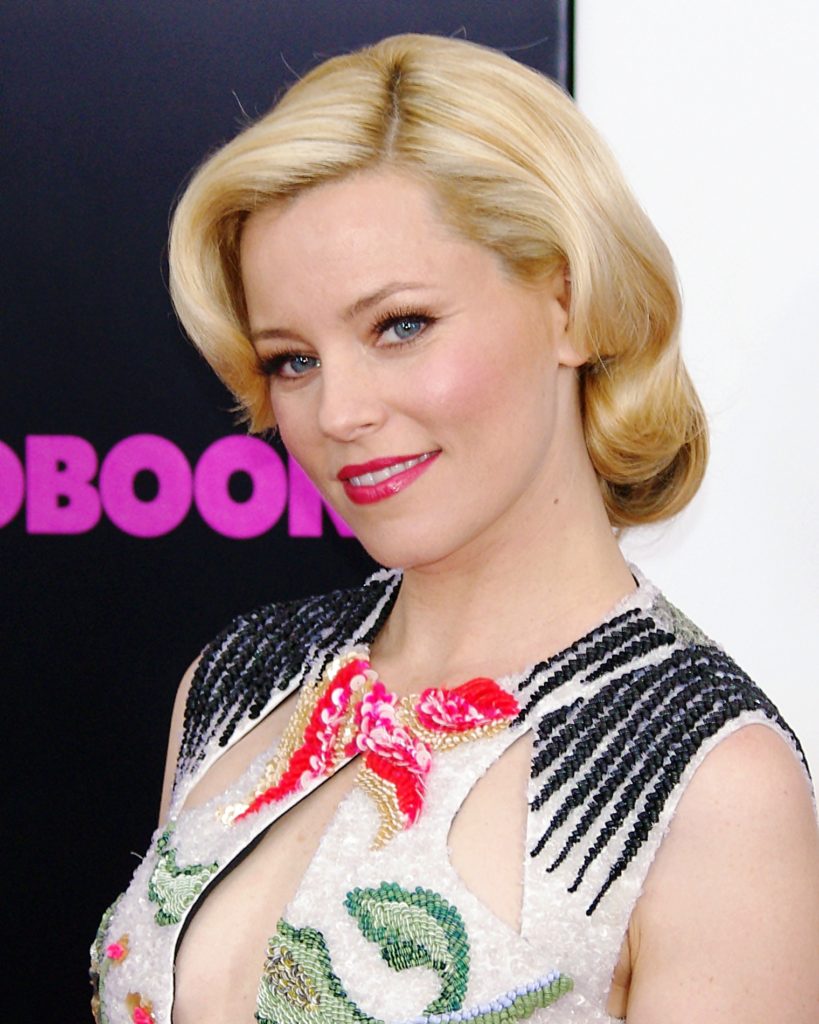
Actress Elizabeth Banks, who made her feature directorial debut with “Pitch Perfect 2” in 2015, will take the helm of a new “Charlie’s Angels” movie starring Kristen Stewart, Naomi Scott and Ella Balinska as a team of globe-trotting intelligence and security experts. Following in the footsteps of David Doyle, Bill Murray, and Bernie Mac, Banks will step into the previously male role of Bosley, the liaison between the Angels and their unseen employer Charlie Townsend.
“Charlie’s Angels, for me, is one of the original brands to celebrate the empowered woman since its debut in the ’70s,” Banks said. “This film honors the legacy of Charles Townsend and his agency while introducing a new era of modern and global Angels. I couldn’t be more excited to work with Kristen, Naomi and Ella to bring this chapter to fans around the world.” She will also serve as a producer with her partner and husband, Max Handelman.
As an actress, Banks will appear “The Happytime Murders,” opposite Rupert Everett as Oscar Wilde in a story based in the writer’s later years. Colin Firth and Emily Watson also star in the film, which will be released October 5. She’s also set to direct “The Greater Good,” a project for ABC TV that combines a workplace and relationship comedy with conspiracy theories.
In the documentary “Love Is Tolerance,” writer and producer Hubertus Hoffman, founder of the Global Tolerance Initiative, examines how to contain terrorists and other extremists. The German-Swiss film — shot in the United States, Jerusalem and elsewhere — features interviews with Dr. Zeev Rotstein, director of the Chaim Sheba Medical Center at Tel HaShomer, former Israeli Prime Minister Ehud Barak, four Nobel Peace Prize laureates, including the Dalai Lama, and others. Various showtimes. $12–$13 adult general admission, $9–$10 children and seniors. Laemmle Music Hall, 9036 Wilshire Blvd., Beverly Hills. (310) 478-3836. laemmle.com.
SHABBAT OF LOVE
Kol Tikvah celebrates Tu b’Av with a singles party for ages 40 and older. The evening includes a wine-and-cheese mixer; a Shabbat and Tu b’Av service led by Rabbi Jon Hanish and
Cantor Noa Shaashua; and country-style line dancing, with lessons offered by Shaashua and musical performer Deedee O’Malley. 5:45 p.m. mixer, 6:30 p.m. services,
7:45 p.m. dancing. RSVP requested for the mixer. Kol Tikvah, 20400 VenturaBlvd., Woodland Hills. (818) 348-0670. koltikvah.org.
“PROMISE AND RUIN”
One week after the solemnity of Tisha b’Av, the irreverent nondenominational collective East Side Jews celebrates the joy of Tu b’Av with storytelling by Judy Carter, Brian Finkelstein, Lucas Held, Liz Schwandt and host Michael Kass. BYO picnic dinner. 7 p.m. $10. 4760 York Blvd., Highland Park, Los Angeles. (323) 663-2255. sijcc.net/east-side-jews.
SAT JULY 28 YJP SUMMER WHITE PARTY
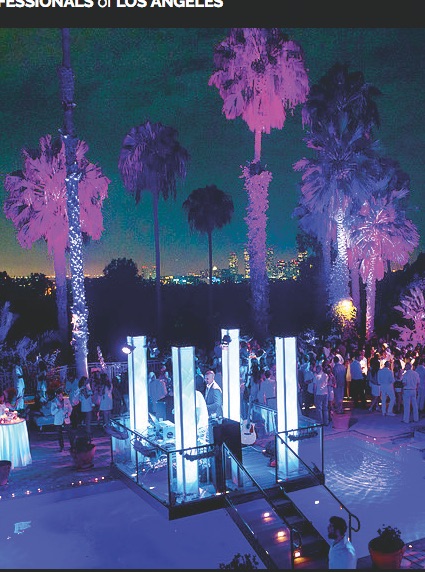
Celebrating Tu b’Av, Young Jewish Professionals of Los Angeles holds a party in Beverly Hills featuring an open bar, DJ, cigar lounge and a live-music Havdalah. Dress in white cocktail attire to commemorate how Tu b’Av was celebrated in the talmudic period, when singles wore white as they ventured out to meet their basherts (soulmates). 9:30 p.m.–1 a.m. $40-$60. Private Beverly Hills mansion, with address emailed to registered guests. (408) 718-9074. yjplosangeles.com/wp.
“SETTLERS TO SOLDIERS”
Genealogist, historian and author Jerry Hirsch, a direct descendant of settlers in Israel, discusses his book “Settlers to Soldiers” after Shabbat services at the Beverly Hills Jewish Community. In 1882, Hirsch’s great-grandparents founded the community of Zichron Ya’acov near Haifa. A former docent at the Museum of Tolerance, Hirsch has also written “Aliyah to Zichron” and “Call to Zion.” 9:30 a.m. Shabbat services. 11:30 a.m.–12:30 p.m. lecture. The Beverly Hills Hotel, 9641 Sunset Blvd., Beverly Hills. (310) 276-4246. beverlyhillsjc.org.
OZOMATLI
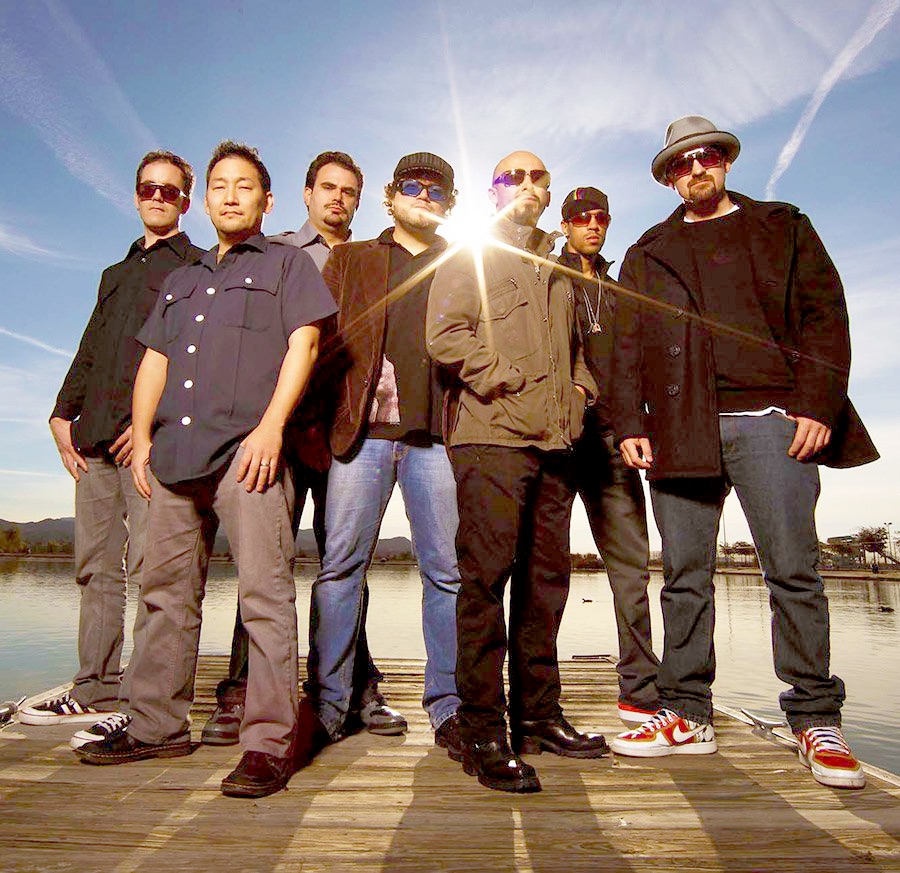
Los Angeles Latin-fusion band Ozomatli, featuring Jewish bassist Wil-Dog Abers, performs at the 10th annual Downtown Stage, a free outdoor concert series at Pershing Square. The event includes a variety of food trucks and a full bar serving guests with ID. Jenny and the Mexicats and Los Duques also perform. 8–11 p.m. Free. 532 S. Olive St., Los Angeles. (213) 847-4970. laparks.org/pershingsquare/dtstage.
MOLINA FLAMENCO
Flamenco maestro Walter Molina performs “Flamenco Sepharad,” a fiery evening of music and dance exploring the shared roots of Ladino/Sephardic and Flamenco music. Accompanying Molina is a gifted ensemble of musicians. 7:30 p.m. $20. Temple Israel of Hollywood, 7300 Hollywood Blvd., Los Angeles. (323) 876-8330. tioh.org/arts.
SUN JULY 29 SHARSHERET MONTHLY RUN/WALK
Sharsheret is a national nonprofit offering community support for young Jewish women and their families facing breast cancer. Anyone can participate in this event: survivors, family, friends and advocates. Groups will be divided based on physical ability. 9 a.m. Free. RSVP requested at jfields@sharsheret.org. Pan Pacific Park, 7600 Beverly Blvd., Los Angeles. (310) 409-2330. sharsheret.org.
“AND NOW, LOVE”
Attend the screening and discussion of “And Now, Love,” a documentary about the life and work of Bernard Bail, a decorated Jewish World War II veteran and psychoanalyst who was captured by the Nazis and had a covert relationship with a German nurse. The film will be followed by a discussion with Bail; the film’s director, Jill Demby Guest; and a contributor to the film, Loren Weiner. 2 p.m. Free. Beverly Hills Public Library, 444 N. Rexford Drive, Beverly Hills. (310) 288-2244. beverlyhills.org.
JUDEA BOWL
Temple Judea of Tarzana invites people to bring blankets, lawn chairs and a picnic dinner to a private residence in Moorpark to make friends and enjoy a summer concert. Dessert and beverages provided. Address available upon RSVP. 6 p.m. picnic, 7 p.m. concert. $18. (818) 758-3800. portal.templejudea.com
TUE JULY 31 L.A. SHORTS FEST
The more than 300 short films screening at this year’s LA Shorts International Film Festival include at least two with Jewish themes. Los Angeles-based writer and director Brandon Ravet’s 10-minute film, “Optimistic Realist,” follows a struggling actress and Hebrew-school teacher who takes career advice from her wise fifth-grade students. Director and producer Jessica Kantor’s “Alcoholocaust” is a nine-minute film about a teenager accepting her Judaism after inviting friends over for a politically incorrect game of beer pong. “Optimistic Realist” screens on July 31 as part of a program beginning at 5:30 p.m., and “Alcoholocaust” on Aug. 1 as part of a program starting at 9:55 p.m. $15 general admission. Laemmle NoHo 7. 5240 Lankershim Blvd., North Hollywood. lashortsfest.com.
RABBI JASON WEINER
The manager of Cedars-Sinai Medical Center’s Spiritual Care Department, Rabbi Jason Weiner, participates in a Torah study breakfast sponsored by the Jewish Federation of Greater Los Angeles. Weiner manages the chaplaincy team and all aspects of spiritual care at Cedars-Sinai. 7:15–9 a.m. Free. Held at the offices of Manatt, Phelps & Phillips, 11355 W. Olympic Blvd., Los Angeles. (323) 761-8158. jewishla.org.
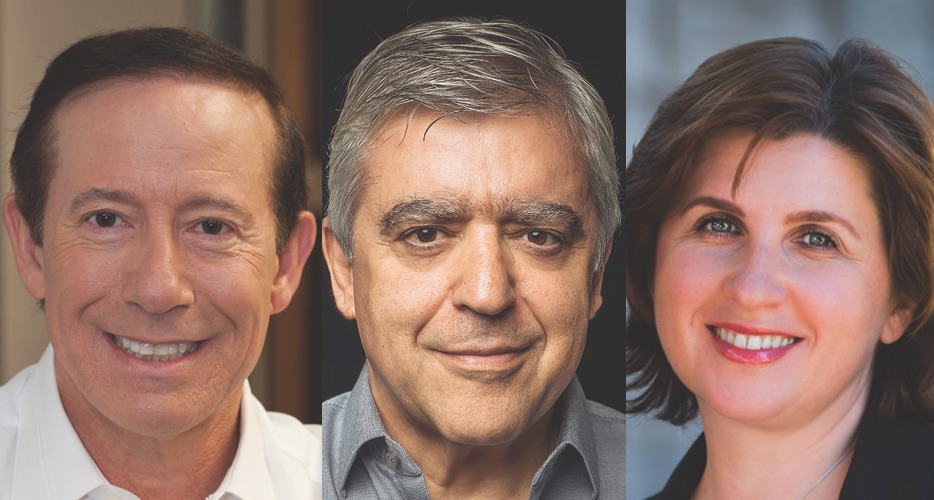
THU AUG 2 “ZIONISM, A LOVE STORY”
Israeli-American Council National Chairman Adam Milstein, Jewish Journal Publisher and Editor-in-Chief David Suissa, and Club Z Executive Director Masha Merkulova participate in a discussion about Zionism during an evening celebrating the launch of the L.A. chapter of Club Z, a Zionist youth movement. Also on display, “The Birth of Israel: 18 Months That Changed Jewish Destiny,” an exhibition examining the 18 months leading up to the creation of the State of Israel in 1948. Appetizers, wine and desserts served. Private tour of the Anne Frank exhibit at the Museum of Tolerance at 5:30 p.m. Program 7–9 p.m. Free. Museum of Tolerance, 9786 Pico Blvd., Los Angeles. zionismlovestory.eventbrite.com.
BEER DAY CELEBRATION
A number of Jewish singles walk into a bar in Santa Monica to celebrate International Beer Day … (punchline TBD). Organized by Tribe, a Los Angeles Jewish social network. Free beer served for the first hour. Ages 21–33. 8–11 p.m. $12. The Room Santa Monica, 1325 Santa Monica Blvd., Santa Monica. eventbrite.com.
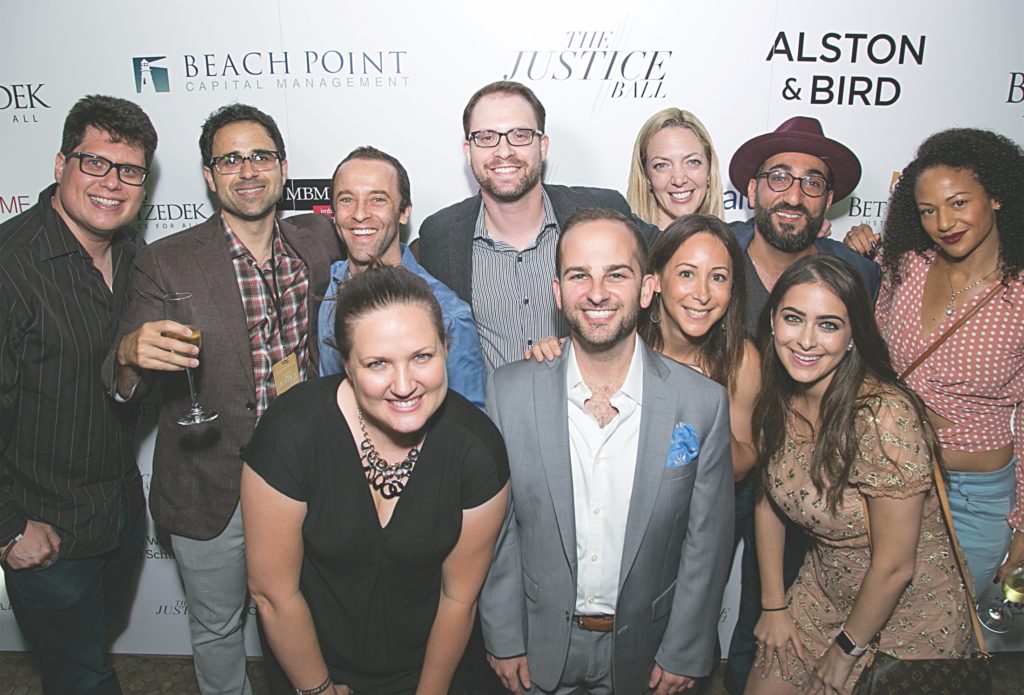
Legal aid agency Bet Tzedek’s New Leadership Council held its 22nd annual Justice Ball on July 14 at Poppy in West Hollywood. The Justice Ball raises funds to support the work of Bet Tzedek, which provides free legal services for those in need.
A sign reading “Bet Tzedek Justice for All” was displayed on the wall of the packed nightclub as more than 700 young professionals danced the night away to the sounds of the electrofunk DJ duo Chromeo.
Attendees included Bet Tzedek President and CEO Jessie Kornberg, Vice President of External Affairs Allison Lee and Development Operations Coordinator Zoe Engel; 30 Years After President Sam Yebri; and JQ International Assistant Director Arya Marvazy.
Kim Chemerinsky and David Mark are co-chairs of the New Leadership Council, a volunteer group consisting of young professionals dedicated to supporting the work of Bet Tzedek.
The law firms of Alston & Bird and Seyfarth Shaw and Skadden, as well as Beach Point Capital Management, served as the evening’s top sponsors.
Based in Los Angeles, Bet Tzedek was founded in 1974 as an all-volunteer agency fighting for Holocaust victims. Today, the organization provides free legal services for low-income individuals and families in Los Angeles.
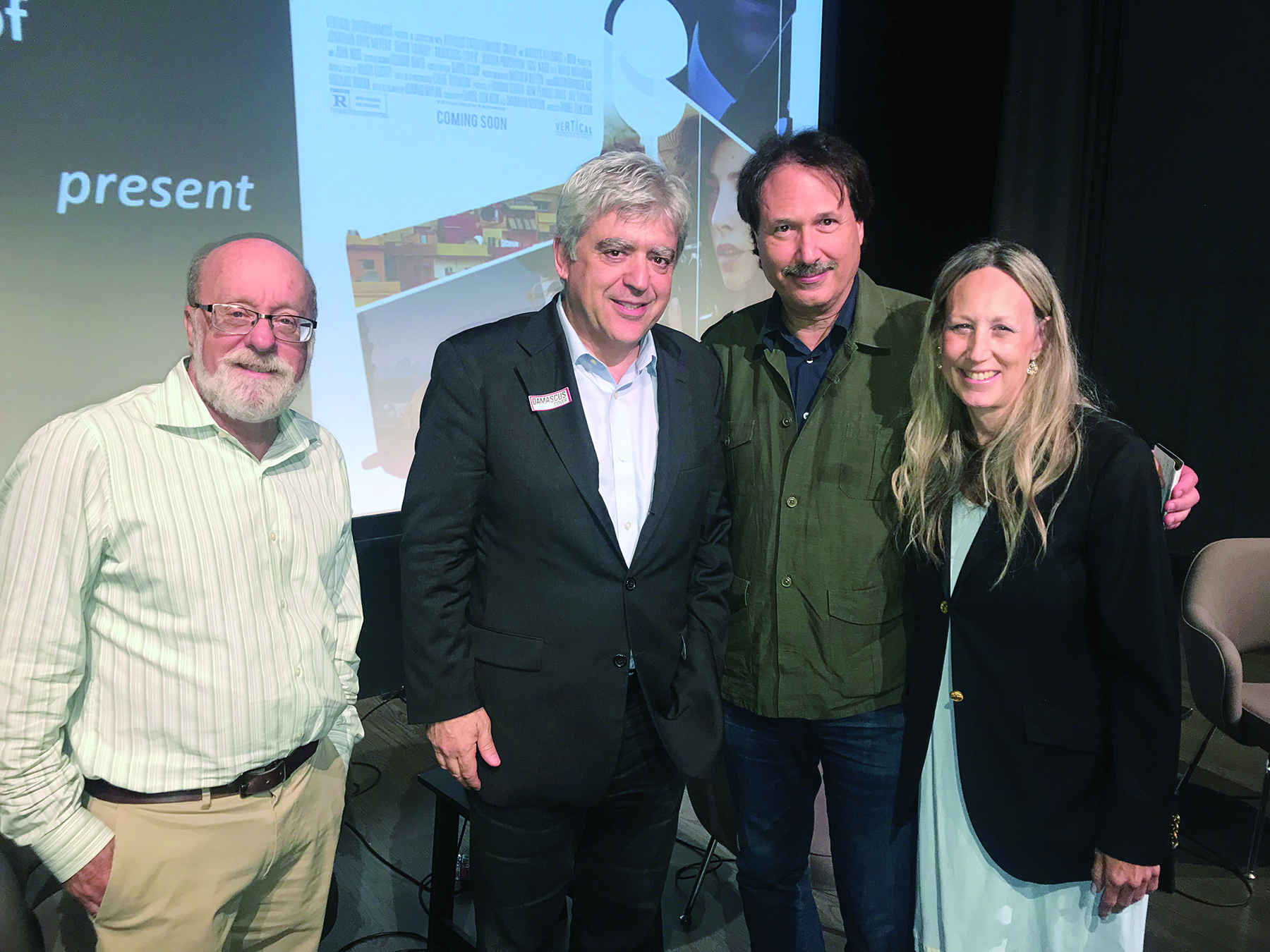
From left: Author Howard Kaplan, Jewish Journal Editor-in-Chief David Suissa, writer/director Daniel Zelik Berk and L.A. Jewish Film Festival Director Hilary Helstein enjoyed the L.A. premiere of “Damascus Cover” at the Museum of Tolerance. Photo courtesy of the L.A. Jewish Film Festival.
The Los Angeles premiere of the film “Damascus Cover,” a political thriller, was held July 12 at the Museum of Tolerance.
The program featured Jewish Journal Publisher and Editor-in-Chief David Suissa moderating a discussion with Daniel Zelik Berk, the film’s writer and director, and Howard Kaplan, author of the 1977 novel on which the film is based.
The event was organized by the Jewish Journal, the Museum of Tolerance and the Los Angeles Jewish Film Festival, whose director, Hilary Helstein, was in attendance.
Set in late 1989, at the time of the fall of the Berlin Wall, “Damascus Cover” follows a Mossad operative attempting to smuggle a Jewish chemical weapons scientist out of Syria. Jonathan Rhys Meyers stars in the film as Mossad operative Ari Ben-Zion. The film’s co-stars are the late John Hurt, who gave his final screen performance as Ben-Zion’s boss at the Israeli intelligence agency, and actress Olivia Thirlby, who plays an American photographer.
The film opened in theaters on July 20.
Gabrielle Birkner, co-founder and executive editor of Modern Loss, delivered the keynote lecture on Tisha B’av at Temple Beth Am. Photo courtesy of Twitter.
Members of Temple Beth Am, IKAR, B’nai David-Judea and Temple Emanuel of Beverly Hills gathered on July 22 for prayer, learning and song in commemoration of Tisha b’Av, the Jewish holiday marking the destruction of the holy Temples in Jerusalem and other tragedies in Jewish history.
“We are creating a space first as a community and then inviting God into that place,” Rabbanit Alissa Thomas-Newborn of B’nai David-Judea said in her welcoming remarks. “The partnership between the Jewish people and God is what will bring that comfort.”
Thomas-Newborn introduced keynote speaker Gabrielle Birkner, co-founder and executive editor of Modern Loss, an online community and content platform geared to young adults living with loss.
After Birkner’s father and stepmother were murdered in a home invasion, she found that “grief found a way to make itself known,” she said.
“Jerusalem is a fitting metaphor for how to explain grief,” Birkner said in her speech. “When the worst has happened, we build communities of caring.”
The event included breakout sessions that focused on different aspects of grief, comfort and consolation. Matt Shapiro, interim associate rabbi at Temple Beth Am, spoke on “The Spirituality of Giving and Receiving Comfort.” Temple Beth Am Senior Rabbi Adam Kligfeld explored “The Deep Meaning of the Root ‘Nachem.’ ” And Sarah Bassin, associate rabbi of Temple Emanuel of Beverly Hills, engaged her group in a discussion of grief stages, Jewish texts and personal stories in “Seven Weeks of Comfort: When Prophets Stop Chastising.”
In addition to the four participating synagogues, the Our House Grief Support Center was a sponsor of the event.
— Esther D. Kustanowitz, Contributing Writer
Members of Movable Minyan celebrated the volunteer-led congregation’s 30th anniversary on July 15 at the Institute for Jewish Education. Photo by Edmon Rodman.
The Movable Minyan celebrated its 30th anniversary on July 15 at the Institute for Jewish Education, where the group meets for services.
Thirty people turned out to commemorate the occasion, including five who were present at the volunteer-led congregation’s inaugural Shabbat, on Dec. 19, 1987, in the living room of Edmon and Brenda Rodman.
“Over the years, we have laughed, prayed, celebrated and mourned together as a community, and we have become close friends,” Edmon told the Journal.
The event was titled “A Night of Lameds.”
Living up to its name, Movable Minyan, over the course of three decades, has met at 49 locations. It has held nearly 700 Shabbat meetings, given out 3,300 aliyot, raised more than $300,00 and davened for 28 high holy days. The anniversary celebration marked these accomplishments and more.
The self-described “small cooperative synagogue” convenes on the first and third Shabbat morning of every month for a participatory, musical service and Shabbat dairy potluck lunch and on the fourth Friday of each month.
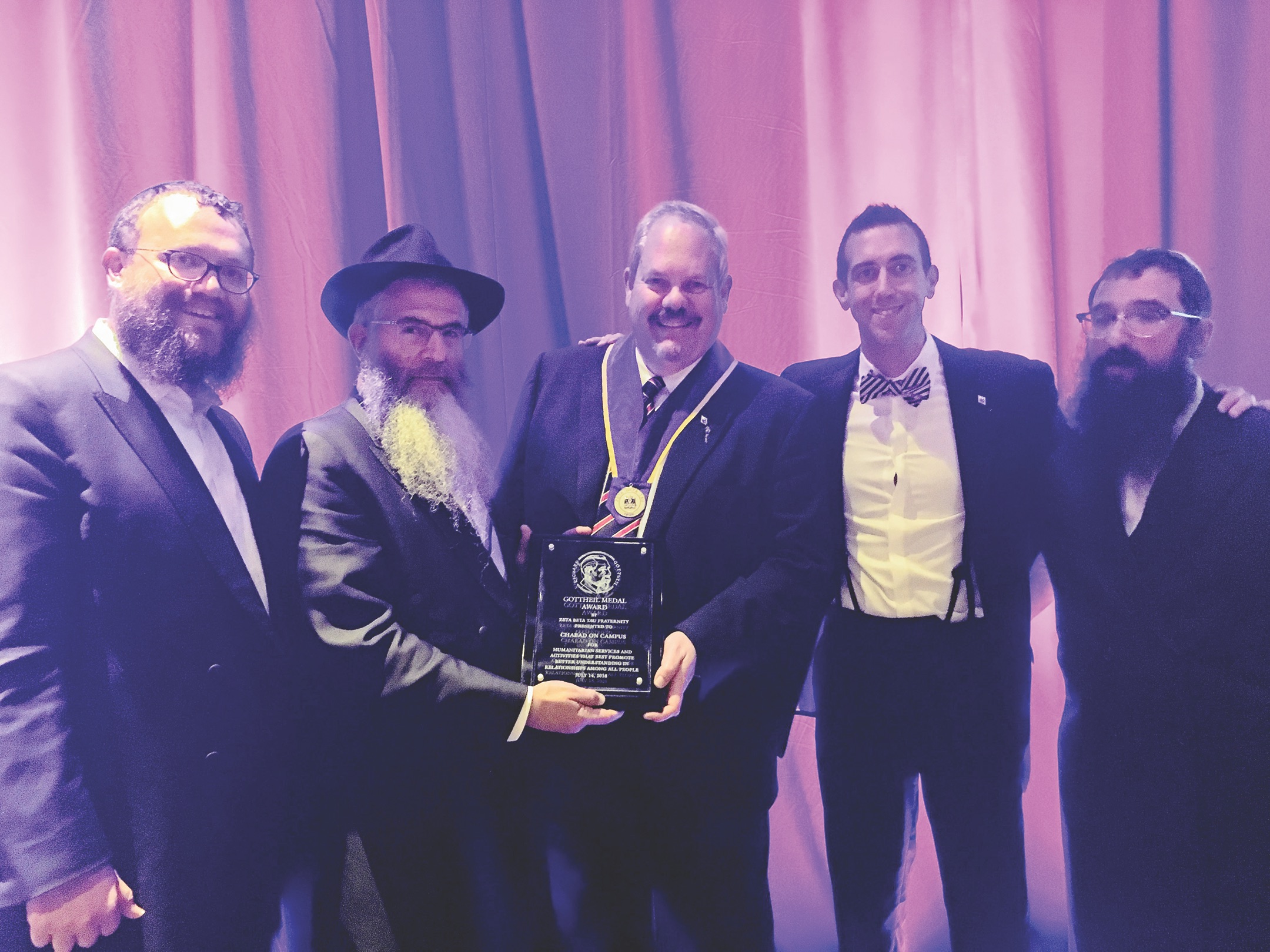
From left: Rabbi Dovid Tiechtel of Chabad at University of Illinois at Urbana-Champaign; Chabad on Campus Executive Vice President Rabbi Yossy Gordon; Supreme Council of ZBT International President Norman Waas; ZBT Executive Director Laurence Bolotin and Rabbi Mendy Fellig of Chabad at University of Miami attended a gala honoring Chabad on Campus. Photo courtesy of Chabad on Campus.
Chabad on Campus International received the Richard J.H. Gottheil Award from the Zeta Beta Tau (ZBT) fraternity on July 14 at the Westin Bonaventure Hotel in Los Angeles.
The Gottheil Award is presented to individuals and groups that have advanced human understanding among all people. The award is named for the late American scholar, Zionist and founder of ZBT, the world’s first Jewish college fraternity.
Chabad on Campus was named the winner of the award based on its work that gives Jewish students a place of belonging. Chabad on Campus engages college students in Jewish life and serves the needs of the campus community on a social, educational and spiritual level.
Chabad on Campus International Executive Vice President Rabbi Yossy Gordon, who accepted the award from Supreme Council of ZBT President Norman Waas, credited the work of the organization’s 264 campus centers.
“Chabad’s approach to living is about intellectual awareness,” Gordon said. “To make a decision based on an understanding, a clarity, and to be able to know the difference between good and evil, right and wrong, and inspire others to make a decision based on thinking rather than emotionally reacting.”
Attendees included Rabbi Dovid Tiechtel from the Chabad at the University of Illinois at Urbana-Champaign, Rabbi Mendy Fellig of the Chabad at the University of Miami in Florida and ZBT Executive Director Laurence Bolotin.


 1. Gather a variety of succulent cuttings. When cutting, try to leave as much of the stem as possible so it can be tucked into the cavity of the seashell.
 2. Soak handfuls of moss in water, and squeeze out the excess moisture. Then stuff the moss into the cavity of the seashell.
 3. Insert the succulent cuttings into the shell. The moss will help hold the succulents in place. Periodically add water to the moss to keep the succulents fresh.