fbpx

February 25, 2017

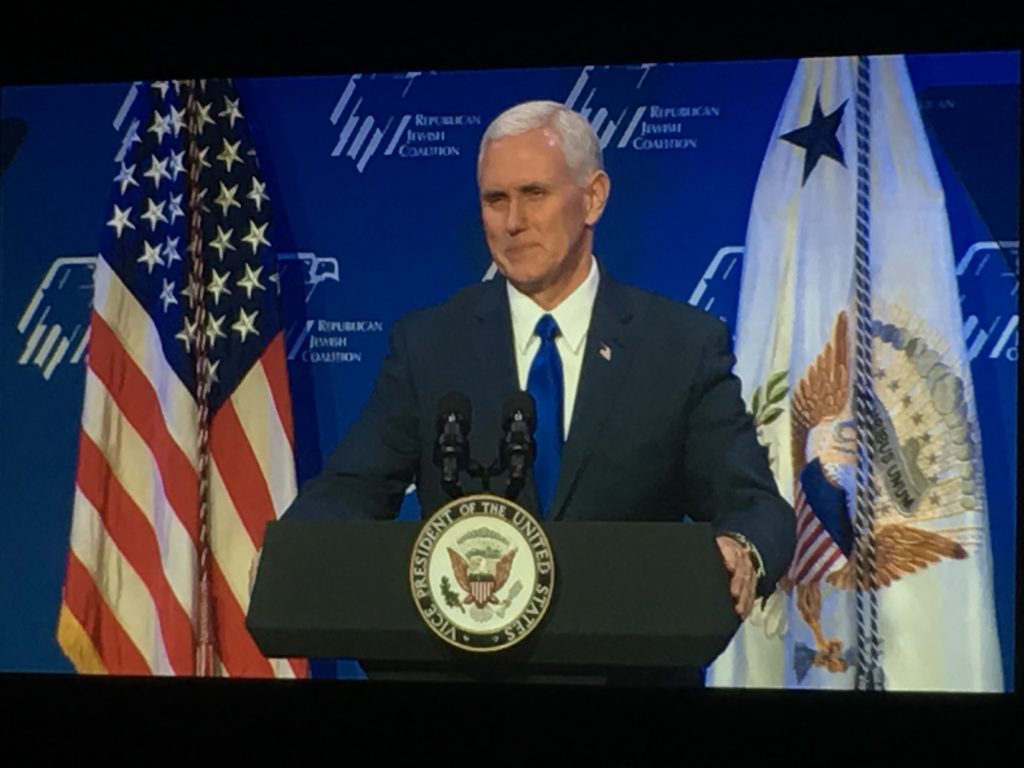
Vice President Mike Pence addresses Republican Jews

Whatever qualms American Jews have with President Donald Trump, Vice President Mike Pence sought to ease them last week.

Speaking in Las Vegas to members of the Republican Jewish Coalition (RJC) on Feb. 24, Pence said there needs to be a strong United States-Israel relationship; he emphasized support for the Jewish community at a time when anti-Semitic crimes are on the rise; and he reiterated the Trump administration’s commitment to preventing Iran from acquiring nuclear weapons.

[Read Pence’s full speech to the RJC]

“If the world knows nothing else, it will know this,” Pence said, addressing a crowd of approximately 500 people: “America stands with Israel.”

Pence’s remarks kicked off the RJC’s three-day annual national leadership meeting at The Venetian Las Vegas Resort Hotel Casino — an establishment built by pro-Israel philanthropist and staunch Republican Sheldon Adelson, who was in attendance.

Speaking for 30 minutes, Pence described Israel as America’s “most cherished ally” and praised the “immutable bond” between the two countries.

Regarding anti-Semitism, he denounced “appalling acts of vandalism” that have targeted the American-Jewish community, specifically the Feb. 20 destruction of more than 170 gravesites at the Chesed Shel Emeth Society cemetery in St. Louis, which he visited on Feb. 22.

Finally, on the issue of Iran, he was clear, saying, “President Trump will never allow Iran to develop a nuclear weapon.”

But he did not repeat the promises made by Trump while campaigning that he would scrap the deal President Barack Obama struck with Iran and other nations to keep it from developing a nuclear weapon.

Introduced by former Vice President Dick Cheney, Pence took the stage around 7:50 p.m., with his wife, Karen, by his side. Shabbat dinner followed his remarks.

Over the course of his speech, he discussed the president’s nominee for U.S. ambassador to Israel, David Friedman, who is Trump’s bankruptcy attorney and a controversial nomination among left-leaning pro-Israel groups that have vowed to prevent him from securing the ambassadorship.

“I say with confidence, he will be confirmed,” Pence said of Friedman.

Pence is the former governor of Indiana, a position he occupied from 2013 to 2017. While governor, he passed legislation that prohibits the state from entering into contracts with companies that boycott Israel.

His support for Israel was reinforced by a recent visit to the Dachau concentration camp, and on Friday he spoke about his experience there and being accompanied in the camp by a Holocaust survivor.

His visit to Dachau followed a controversy sparked by Trump omitting any reference to Jews during an International Holocaust Remembrance Day statement.

Just as well known as his pro-Israel positions are his socially conservative ones. While governor, Pence signed restrictive abortion laws and supported pro-gun and pro-coal legislation. A supporter of the Tea Party movement, he is a devout Christian. He was a talk radio host before he was elected to Congress in 2000.

Audience members in the Venetian ballroom included Adelson and his wife, Miriam, who were seated at a banquet table near the front; Israeli American Council chairman Adam Milstein, philanthropist Fred Leeds, Congressman Ed Royce (R-Calif.) and Rabbi Shmuley Boteach.

“I think the RJC’s good for Israel,” Boteach told the Journal as he made his way through the hotel lobby around 11 p.m.

Others to turn out included Los Angeles criminal gang prosecutor Elan Carr, who said it is incumbent on the community to support the president regardless of how they voted.

“Look, he’s the president,” Carr said of Trump in an interview. “I’d be in [Hillary Clinton’s] corner if she won. The president is the president.”

Josh Kaplan, board chair of Beach Hillel, helped lead a delegation of 12 California college students whose admission to the conference was paid for by philanthropists Deanna and Allen Alevy. (Beach Hillel serves students at five college campuses, including Cal State Long Beach and Long Beach City College.)

Kaplan is all too familiar with the recent spike in anti-Semitism: The Beach Hillel has an office on the campus of the Alpert JCC in Long Beach, one of dozens of JCCs that have been targeted by ultimately discredited bomb threats over the past couple of months. During an interview, Kaplan expressed gratitude that the vice president spoke out against anti-Semitism.

“To know the administration is aware that our local community was targeted and is standing in front of the community here saying we support you, are aware of it, we want to help, it’s great,” Kaplan said.

Additional elected officials slated to speak over the course of the weekend included Sen. Lindsey Graham (R-S.C.) and Royce. The Pence speech was the only conference program open to members of the media.

The vice president expressed thanks to the RJC for having endorsed him in May, though technically the organization only issued a message of “congratulations” after Trump became the presumptive nominee of the Republican Party.

Vice President Mike Pence addresses Republican Jews Read More »

Chefs fine-tune Middle Eastern cuisine at Kismet

Things really came together for chefs Sarah Hymanson and Sara Kramer to open Kismet restaurant in Los Feliz.

The New York City transplants, included in the Jewish Journal’s 2017 “30 Under 30” list, made a name for themselves, first by cooking a pop-up dinner at Animal on Fairfax and later opening Madcapra, an updated take on a falafel stand, located in downtown’s Grand Central Market.

Now, local enthusiasm is turning to Kismet, an all-day Middle Eastern-inspired restaurant they opened in January on Hollywood Boulevard. Their business partners are vaunted local chefs Jon Shook and Vinny Dotolo of the mini restaurant empire that started with Animal. Before Hymanson and Kramer, Shook and Dotolo were partners with Ludovic Lefebvre, running the hugely popular Trois Mec, Petit Trois and Trois Familia restaurants.

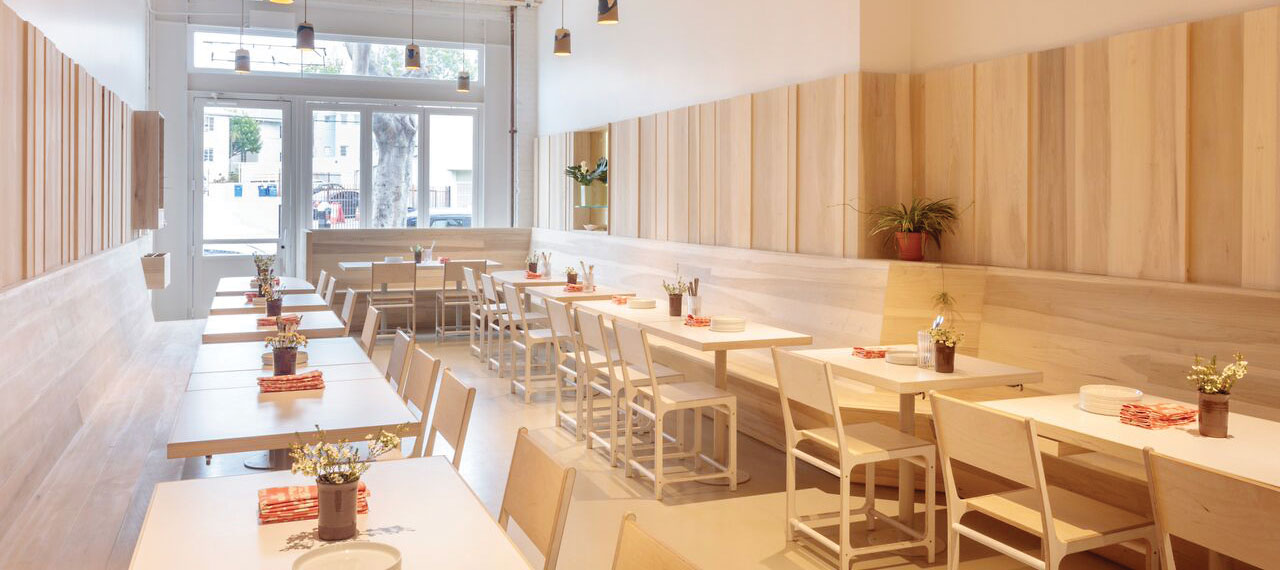
Kismet is a chance for Hymanson and Kramer to continue the work they began in 2013 at Brooklyn’s Glasserie restaurant when “there wasn’t a lot happening with new Middle Eastern food and updating it,” Kramer said in a recent interview inside the casual, bright and airy, blond-wood-clad dining room. She cited Michael Solomonov of Zahav in Philadelphia and Alon Shaya in New Orleans as chefs “doing a great job” and helping move the genre forward.

Hymanson and Kramer were raised in secular Jewish households — Kramer in Nyack, N.Y., and Hymanson in Chicago — but their new project hews closer to Kramer’s personal experiences and heritage. “All the food traditions got handed down to me through my mother,” Kramer said of her mother, who was reared in Lima, Peru, “but I do remember making boreks with my grandmother when I was a kid.”

Her mother, she said, would make shakshuka on Saturdays “as a breakfast treat and we’d all be stoked.” Rest assured, the version of eggs poached in spiced tomatoes and onions at Kismet uses top-notch Southern California produce to create a fresh and bright dish. Kramer “never had pork or shellfish in the house,” but her family did not keep strict kosher, and neither did Hymanson’s.

That said, Kramer and Hymanson share similar training and skills, having both spent time in the upstate New York and Manhattan kitchens of influential Blue Hill founder and chef Dan Barber.

Hymanson began cooking seriously in college at Oberlin in Ohio. Kramer took longer to find her way, after a stint in the touring and Broadway companies of “Mamma Mia!,” the Abba musical. Their paths crossed when Kramer worked at the Brooklyn Kitchen, a high-end cooking supply shop that shared a space with the Meat Hook, a gourmet butcher shop where Hymanson was on staff. They later became colleagues at Glasserie.

Kismet’s bright interior. Photo by Joshua White

Here in Los Angeles, they have honed a sensibility that honors tradition yet feels contemporary, capturing a keen sense of the local culinary zeitgeist. The same can be said of Shook and Dotolo, who reached out to Hymanson and Kramer via Instagram of all things, before the women had even moved to Los Angeles.

The new partnership makes perfect sense. “We knew it would be helpful to have some infrastructural support going into a larger project. They’re amazing,” Hymanson said of Shook and Dotolo.

As for what’s coming out of the kitchen at Kismet, “we want it to be approachable, but introduce these kinds of flavors and this cuisine, but bring it into the modern era,” Kramer explained. “It’s important to me to have the food match the space, and the tone and the ambience.”

It is also important that the food matches the chefs’ worldview and personalities. “I’m not coming from a traditional background, so that wouldn’t make sense for me to have a very traditional sounding menu,” Kramer said. Components associated with Mideast cuisine — tahini, za’tar, feta cheese, flat breads — meet fresh, seasonal ingredients from local California farms and producers and are transformed with exacting cooking techniques.

Poached chicken is combined with Moroccan olives and even coconut in an arugula salad for an adventurous touch. The “magic Myrna” potatoes blend Old and New Worlds with Meyer lemon, fennel, dill and Aleppo pepper. You can choose to go light with the Persian cucumber side salad and its delicate rosewater-infused labneh, or be decadent with the Turkish breakfast spread. 

Encouraging diners to get a little adventurous isn’t too hard in L.A. But at Kismet, it also means playing with some terminology. Take the “flaky bread,” for instance. “If someone were to ask, we’d say absolutely, it’s 100 percent melawech. On the menu, it’s ‘flaky bread,’ ” Kramer said. The rich, flat bread meant to be torn by hand comes with either sweet-ish (preserved lemon and honey) or savory (tomato and spice) sides.

“If someone wants more information, the whole staff knows where the inspirations are coming from,” Kramer said. “But we mean everything to be inspired by that cuisine as opposed to everything being traditional versions of that cuisine.”

Photo by Jake Lindeman

In addition to perks that make it feel more like a formal restaurant, with a wine director and pastry chef, Kismet serves all three daily meals, along with a dedicated afternoon snacks menu. The constraints of a compact Grand Central Market stall no longer apply, giving the chefs “a space where we can be creative and play,” Hymanson said. They can move from house-made sesame walnut granola early in the day to a sumptuous rabbit-for-two feast that costs $80 on the dinner menu.

It’s a dream made in L.A. “The chef and culinary community has been very welcoming here,” Hymanson said. “Not that it’s not competitive, but it definitely has a supportive quality to it that I really appreciate.”

They’ve also befriended owners of Armenian and Persian food businesses, who have helped them source ingredients, such as barberries and spices.

“L.A.” Kramer said, “is treating us really well.”

Kismet
4648 Hollywood Blvd.
Los Angeles<
(323) 409-0404
kismetlosangeles.com

Chefs fine-tune Middle Eastern cuisine at Kismet Read More »

Letters to the Editor: Daily Bruin Cartoon, David Friedman and ‘Kapos,’ Federation Stance

Misreading UCLA Cartoon

Cartoon by undergraduate political science major Felipe Bris Abejon in the UCLA student newspaper The Daily Bruin.

I disagree with my assemblyman Richard Bloom’s depiction of UCLA’s Daily Bruin cartoon as anti-Semitic (“Bruin Cartoon Assailed as Anti-Semitic,” Feb. 17). The cartoon is not mocking the Jewish faith but mocking the prime minister of Israel for disgracing the foundational values of Judaism and other religions in his support for a law retroactively legalizing Israeli settlements in the West Bank.

As a newly elected California Democratic Party delegate in Bloom’s 50th Assembly District, I find public intimidation of the student journalists unsettling, particularly at a time when the far right of Israel is looking for cover to annex the entire West Bank and President Donald Trump is viciously attacking journalists.

In light of the most recent bomb threats at Jewish Community Centers, it behooves us all to focus on real anti-Semitism and not confuse the public or detract from ascendant hate speech and actions that threaten Jews, Muslims and people of color.

Marcy Winograd, Santa Monica

‘Kapos’ and David Friedman

With the current “kapo” controversy, I feel compelled to provide a clarification (“The Case Against David Friedman,” Feb. 17). It is understandable that Rob Eshman’s or David Friedman’s generation obviously had no exposure to actual kapos and only had diminished understanding of the actual facts.

As a survivor of Auschwitz-Birkenau-Buchenwald, I would like to make this correction: In Auschwitz-Birkenau, and most other concentration camps, kapos were German nationals. Almost all were German criminals serving life sentences. They were transferred from German prisons to the camps to empty many prisons in Germany. The vacancies were utilized for minor criminals with short-term sentences. Also other “undesirables” the Nazis could not afford to put into concentration camps because they could reveal the truth once they were released.

Jews were rarely trusted to execute the Germans’ commands, primarily because they did not speak or understand German. They also possibly were suspected to be too lenient.

Henry Oste via email

With the utmost respect, I beg to differ with Rob Eshman’s analysis of the case of David Friedman as our prospective United States Ambassador to Israel. Maybe we need another bulldog like Donald Trump in the guise of a hard-liner named David Friedman to be the solution.

I hope the readers of the Jewish Journal will continue to send in letters to the editor representing all spectrums of our diverse Jewish and non-Jewish community, and continue to donate to our great newspaper that glues us together instead of dividing us.

Richard Bernstein, Los Angeles

Federation Stance Ignores Teachings of Torah

I am both distressed and saddened by the report in the Jewish Journal that The Jewish Federation of Greater Los Angeles has decided to remain quiet with regard to current immigration issues (“Federation Stays Neutral on Trump Order, Despite Pressure,” Feb. 17).

To run away from taking a position because of “politics” is absurd. For us, it should not be a political issue; rather, it is an issue of decency in a Jewish context.

Does our holy Torah not say 36 times to help the stranger? That’s more, incidentally, than any other single reference made as we read and study it each year.

Does our tradition also not say “silence is agreement”?

And so, with 65 million immigrants in the world, we cannot spare even a word of objection to the issue?

I know we can do much better because in past generations, we have.

Irving Cramer, Venice, Calif.

Letters to the Editor: Daily Bruin Cartoon, David Friedman and ‘Kapos,’ Federation Stance Read More »

Max Factor: Father of modern makeup

The night Max Factor premiered his new makeup studio in Hollywood — Nov. 26, 1935 — many of the glamorous stars in attendance had him to thank for improving their appearance on film.

Located on Highland Avenue — just around the corner from where today the Academy Awards are presented at the Dolby Theatre (and close to Factor’s Walk of Fame star on Hollywood Boulevard) — the event attracted thousands to what the invitation proclaimed as the “world’s greatest cosmetics factory.”

Documenting their presence that night, Claudette Colbert, Bela Lugosi, George Burns, Judy Garland, Carole Lombard, Joan Crawford, Barbara Stanwyck, Edward G. Robinson and many other stars celebrated the opening by signing their names to a “Scroll of Fame.”

With the opening of the studio, Factor — a Polish Jew who had escaped from czarist Russia to emigrate to the U.S. with his wife and children in 1904 — was poised to expand both his makeup and wig business, which served Hollywood studios and movie stars, and his celebrity-endorsed line of retail makeup, to an even greener shade of
success. It was a Hollywood success story writ large with greasepaint, rouge and lipstick.

“He had to make his own way,” said Donelle Dadigan, founder and president of the Hollywood Museum, which is housed in the former Max Factor Makeup Studio on Highland. “And he was determined.”

Factor was born to Abraham and Cecilia Faktrowitz or Faktorowicz (depending on the source), circa 1877 in Lodz, Poland, according to the biography “Max Factor: The Man Who Changed the Faces of the World,” by Fred E. Basten. Coming to America in 1904 to escape working as a beautician and wig maker for the czar’s family, Factor used his skills to sell cosmetics and hair preparations of his own making at that year’s St. Louis World’s Fair.

After his first wife, Lizzie, died in 1906, and a second marriage failed in 1908, Factor, father to five children, married a neighbor, Jennie Cook, in 1908.

Aware of the growing popular interest in silent movies and that filmmakers were heading to Los Angeles, Factor joined them that year, hoping there would be a need for wigs and makeup. Soon after arriving in L.A., he opened a business called “The Antiseptic Hair Store” at 1204 S. Central Ave., where he sold made-to-order toupees and a couple of lines of theatrical makeup not his own, according to the 2008 Basten biography.

Downtown L.A. then, like today, was a place to shoot movies, and Factor, according to Basten, who interviewed him, observed that the theatrical makeup in stick form used by that era’s movie actors was heavy and dried into a stiff, mask-like surface that easily cracked and did not allow for much facial expression. Looking for a solution in a lab in the back of his store, Factor began to experiment, and in 1914, created a greasepaint in the form of a cream that was thin, flexible, and came in 12 shades.

However, in 1913, it was his wig making that got Factor into the movie business. Factor worked a deal to rent wigs to Cecil B. DeMille, who was set to co-direct the first feature-length film to be shot in Hollywood, “The Squaw Man.”

As for the new greasepaint, it was movie comics such as Charlie Chaplin, Buster Keaton and Ben Turpin who first gave it a try, coming to Factor’s shop to buy it and have him personally apply it, Basten wrote. Soon the new greasepaint was accepted by actors and studios alike, resulting in a blossoming demand for Factor’s makeup and services.

Wanting to be more in the center of things, Factor moved his shop to the Pantages Building on 534 S. Broadway, and then to 326 S. Hill Street, where it occupied a ground-floor storefront.

Adding to his innovations, in 1918 Factor introduced a Color Harmony line of 11 shades of face powder, and also started selling his greasepaint in tubes. One of his testers for the powder was screen actress Carmel Myers, daughter of Rabbi Isidore Myers of Sinai Temple.

Wanting to live close to his business, Factor, who did not drive, in 1922 bought a house at 432 Boyle Ave. (still a residence today) in the growing Jewish neighborhood of Boyle Heights, where he and his family lived until the late 1920s.

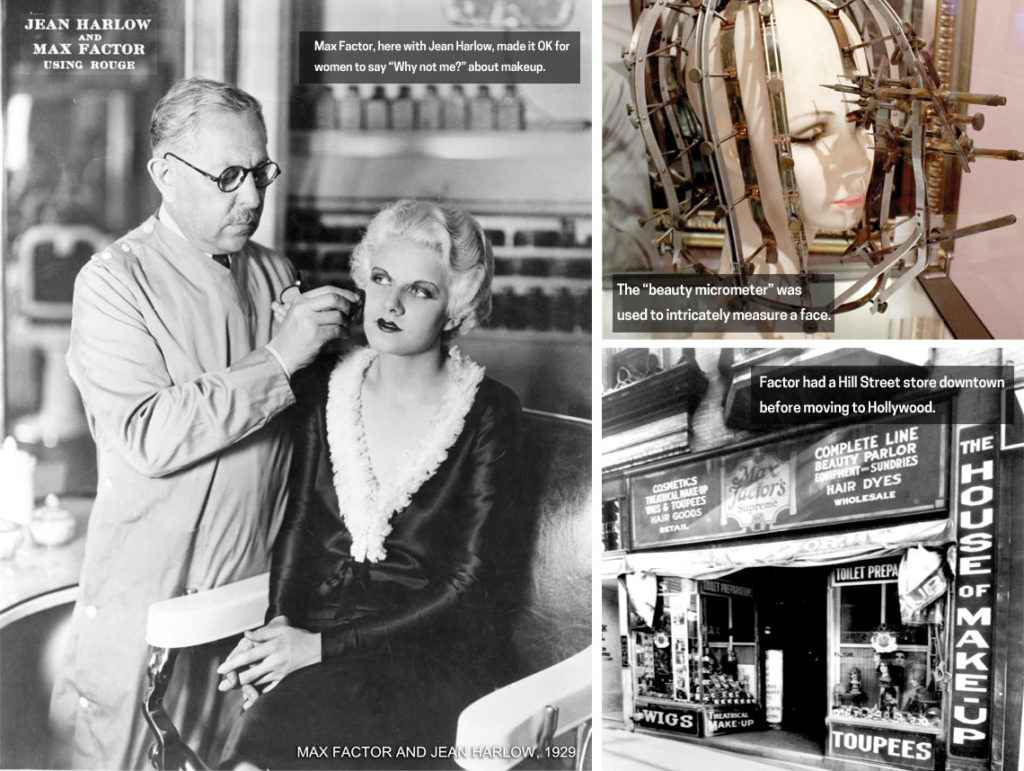
After the turn of the 20th century, the popularization of makeup had been slowed by the perception that it was mostly worn by actresses and prostitutes. Yet, with the advent of movies, women saw the makeup applied by Factor on such gorgeous stars as Mary Pickford and Greta Garbo and began to ask, “Why not me?” Soon, Factor and his sons heard that noticeable quantities of their products were disappearing from movie sets and studios.

“Normal people wanted to take it home,” said one of Factor’s grandchildren, Jerry
Factor.

Through a deal with Sales Builders in 1927, Factor’s makeup began selling in drug stores across the United States. By 1935, acceptance of makeup was widespread, including in the L.A. Jewish community, where at the Social Center at 2317 Michigan Ave. in Boyle Heights, a trained representative from Factor’s Hollywood shop, named Mr. Shore, was calendared to give a one-hour demonstration on society makeup.

“Be you blonde, brunette or redhead, Mr. Shore can give you pointers on how to appear lovelier than you really are!” said an item in the Aug. 15, 1935, edition of the B’nai B’rith Messenger.

In the early 1930s, the Factor family moved to a two-story house at 802 N. Elm Drive in Beverly Hills. Jerry Factor recalled that the house had an impressive swimming pool and a monkey cage in the backyard. On weekends, he remembered, the house was “filled with people for Sunday breakfast.”

To expand, Max Factor & Co. soon was looking for property in Hollywood, eventually purchasing the building where the grand opening took place, after a complete makeover by movie palace architect S. Charles Lee (born Simeon Charles Levi) was completed.

An Art Deco showplace complete with a laboratory, offices, factory space and an area for wig making, it had a room specifically decorated and lit for “Blondes Only,” and one each for “Brownettes,” “Redheads” and “Brunettes.” The night of the grand opening, Jean Harlow “cut the ribbon for the blondes-only room,” said Dadigan, the Hollywood Museum head.

Today, the building houses a collection of Max Factor products, photos and devices, including a beauty micrometer (a metal contraption designed to measure the face), as well as additional exhibits devoted to movie and TV history.

“I used to go and watch the ladies making wigs. And I liked to ride the [freight] elevator,” said Jerry Factor, recalling his childhood visits to the building. He now works in property management and is an emeritus trustee of the Max Factor Family Foundation.

Sometime after Max Factor merged with Norton Simon in 1973 (today the brand is owned by Coty), “The Scroll of Honor” disappeared. “Turns out,” Jerry Factor said, “my cousin Barbara had somehow got it out of the building, and it was under her bed for years.” Since its re-emergence, the scroll has been put on display in the Jewish Federation building and as part of an exhibit on Jewish Los Angeles at the Autry Museum of the American West. Today, it is on loan to the Skirball Cultural Center.

Factor died at his home on Aug. 30, 1938. Rabbi Edgar Magnin of Wilshire Boulevard Temple officiated at the funeral, and later his family dedicated the synagogue’s chapel in memory of him and his wife Jennie. Though he was the man who gave Joan Crawford her lipstick “smear,” and Lucile Ball her first shade of red, “Max Factor’s goal was not just to glamorize movie stars,” Dadigan said. “Culturally, he changed the look of
women all over the world, in every station
of life.”

Have an idea for a Los Angeles Jewish history story? Contact Edmon Rodman at edmonjace@gmail.com. n

Max Factor: Father of modern makeup Read More »

Obituaries: Week of February 24, 2017

Sandra Allenberg died Jan. 27 at 83. Survived by daughter Mary Pendergast; son John (Ellen); 2 grandchildren. Mount Sinai

Ruth Blank died Jan. 24 at 97. Husband Robert Roman Blank died Jan. 26 at 96. Survived by daughters Susan (Ron) Cohen, Lili (Barry) Gross; 5 grandchildren; 1 great-grandchild. Mount Sinai

Meyer Bitton died Jan. 26 at 81. Survived by daughter Miriam (Howie) Lockin; son Eddy (Mary Kay); 3 grandchildren; brothers Albert, Simon. Mount Sinai 

Masha Blumstein died Dec. 21 at 89. Survived by husband Harry; daughter Ann; sisters Shoshana, Reva. Chevra Kadisha

Rochelle Bramson died Jan. 31 at 93. Survived by daughters Marcia (Uri) Goldberg, Susan (Jeff) Brody; 5 grandchildren; 5 great-grandchildren; sister Shirley Abramson. Mount Sinai

Melvin Breuer died Jan. 23 at 78. Survived by wife Sandra; daughter Teri (John Cragen); son Jeff (Karen Babrow); 3 grandchildren; sister Arlene Glazman. Mount Sinai

David Butylkov died Jan. 23 at 85. Survived by wife Taisa; sons Dmitriy, Alex (Natalia); 2 grandchildren. Mount Sinai

Michael Henry Chesler died Jan. 31 at 67. Survived by daughter Carrie (Brian) Goldberg; son Daniel (Amy); 4 grandchildren; brother Andy (Debi). Mount Sinai

Rose Cohen died Jan. 29 at 92. Survived by daughter Joan (Steven) Soltz; sons Jeffrey (Judie) Collens, Paul (Kathy) Collens; 12 grandchildren; 3 great-grandchildren. Mount Sinai

Shirlee Collins died Jan. 28 at 94. Survived by sons Jonathan, Jeffrey (Roxana Kopetman), James; 4 grandchildren. Mount Sinai

Carole Diamond died Jan. 23 at 79. Survived by daughter Jennifer Haber; sons Eric (Debbie), Peter (Kim); 7 grandchildren. Mount Sinai 

Marion Greenman died Jan. 23 at 94. Survived by daughters Ellen, Laurel; sons Edward, Todd; 3 grandchildren; 1 great-grandchild. Hillside

Sid Kamrava died Jan. 23 at 69. Survived by wife Haleh; daughter Shana Veiseh; sons Allen, Brandon.  Mount Sinai

Louis A. Karasik died Jan. 26 at 60. Survived by daughters Elissa, Caitlyn; son Jonathan; mother Sonia; sister Natalie; brother Gregory. Mount Sinai 

Robert Kay died Jan. 30 at 82. Survived by wife Joan; daughters Tracy, Karen Fedor, Wendy Rappaport; son Mitchell Rappaport; 2 grandchildren. Mount Sinai

Leonard Klein died Dec. 27 at 65. Survived by wife Pnina; daughters Karen, Yael Klein-Pepper; 2 grandchildren; mother Pearl; father Andrew; brother Ed. Chevra Kadisha

Lawrence Levy died Jan. 22 at 81. Survived by wife Barbara; daughters Karen, Jacqueline (Robert) Schwartzer; 2 grandchildren. Mount Sinai

Esther Lichtig died Jan. 29 at 85. Survived by husband Marvin; sons Jeff (Claudia), Randy (Robin); 4 grandchildren; sister Roz Winston. Mount Sinai

Esther Lieber died Jan. 27 at 90. Survived by daughters Deborah Rothberg, Susan (Eric) Safyan; sons Michael, Dan (Enid); 11 grandchildren; 2 great-grandchildren. Mount Sinai

Betty Mae Midler died Jan. 26 at 79. Survived by daughters Sheri (Mark) Rubin, Karen (Michael) Sayegh, Jackie (Eric) Schreiber; son David; 9 grandchildren; sisters Joyce (Irwin) Yarmo, Judith Fox. Mount Sinai

Arnold “Arne” Schwartz died Jan. 30 at 76. Survived by wife Gloria; daughter Heidi (Stephen) Silber; sons Sandy Sigel, Mark (Sheila) Yturri, Marc Howard Schwartz; 8 grandchildren; sister Bobbie Bernstein. Mount Sinai

Laurence “Larry” Schwartz died Jan. 27 at 71. Survived by wife Faye; sons Marc (Corey), Joel, Scott (Peri); 7 grandchildren; mother Judith Green; sister Linda (Alf) Merriweather; brothers Lester (Renee), Sandy (Debra). Mount Sinai

Marione A. Silverman died Jan. 9 at 95. Survived by son Mark (Dayna) Whitmer; daughters Carrol (Henry) Cohen, Linda Dansky, 5 grandchildren; 3 great-grandchildren. Chevra Kadisha

Nancy Stein died Jan. 23 at 86. Survived by daughter Carole; son Sean Key; 4 grandchildren. Hillside

Artie Strauss died Jan. 26 at 95. Survived by daughters Felice (Robert Tranter), Joanne (Stephen McTavish) Strauss; 4 grandchildren; 6 great-grandchildren; 2 great-great grandchildren. Mount Sinai

Ruth Sugarman died Jan. 24 at 98. Survived by daughter Pat; son Larry (Julie); 4 grandchildren; 2 great-grandchildren. Mount Sinai

Zisya Suslik died Jan. 23 at 92. Survived by sons Alex (Maria), Vladimir; 2 grandchildren; brother Leib (Nona). Mount Sinai

Nardi Volman died Jan. 20 at 80. Survived by son Ed (Bridgette) Alonzo; 1 grandchild; brother Andrew Craig. Mount Sinai

Honore Weiner died Jan. 25 at 75. Survived by husband Michael; daughter Elise Renee (Joe) Adams; son Richard; 1 grandchild; sister Karen Ginsberg; brother Stanton Sklar. Mount Sinai n

Obituaries: Week of February 24, 2017 Read More »

Calendar: February 24 – March 2, 2017

FRI | FEB 24

LATE-NIGHT LICHTENSTEIN

Come see the exhibition “Pop for the People: Roy Lichtenstein in L.A.” during this special night. See more than 70 works that make up this exhibition. Curator-led tours are scheduled for 6:30 and 8:30 p.m. Afterward, enjoy a full cash bar, music in the courtyard and dinner available for purchase from Mandoline Grill and the Hungry Nomad. Exhibition swag at no charge. 5-10 p.m. Free. Skirball Cultural Center, 2701 N. Sepulveda Blvd., Los Angeles. (310) 440-4500. skirball.org.

“TIL DEATH DO US PART … YOU FIRST!”

cal-death-part

Peter Fogel presents his first multimedia solo show, “Til Death Do Us Part … You First!” In this comedic performance, a mensch baby boomer searches for his bashert, finding her after he is dumped on Valentine’s Day. 8 p.m. $23; tickets available at brownpapertickets.com. Whitefire Theatre, 13500 Ventura Blvd., Sherman Oaks. (818) 990-2324. whitefiretheatre.com.

SAT | FEB 25

“BEYOND THE VEIL: LIFE AFTER DEATH”

Explore beliefs about life after death through two panel discussions moderated by the Rev. Gwynne Guibord. Panelists will discuss how different faiths understand life, the afterlife and how their beliefs about death and dying are reflected in their rituals. The morning session will include Rabbi Neil Comess-Daniels, along with the Very Rev. Canon Mark Kowalewski and Imam Ahmed Soboh. Buddhist, Hindu and Sikh viewpoints will be represented in the afternoon session. Space is limited. 10 a.m. Free; registration required. St. John’s Cathedral, 514 W. Adams Blvd., Los Angeles.  (323) 325- 5412. theguibordcenter.org.

INTERVIEW WITH LISA NIVER

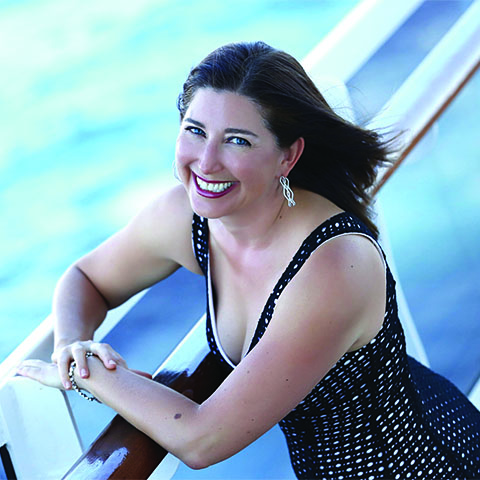
cal-niver-travelLisa Niver, a travel expert, writer and on-camera host on “We Said Go Travel,” an online community of 1,600 travel writers from 75 countries, will be interviewed. Niver has visited more than 95 countries, and will talk about her favorite experiences and offer tips and expertise on a variety of travel topics. 11 a.m. Free. RSVP at meetup.com. Capital One Café, 11175 Santa Monica Blvd., Los Angeles.
SWEETHEART’S BALL & DINNER

Whether single or in a couple, come enjoy an event for folks 50 and older, featuring Tommy Tassi & the Authentics, who will perform hits from the ’50s, ’60s and ’70s.  There will be a huge dance floor, dance hosts, ice breakers, line dances and more. More than 200 guests are expected. Dinner, dessert and beverage bar, featuring beer and wine. 7:30 p.m. $25. Stephen Wise Temple, 15500 Stephen S. Wise Drive, Los Angeles. Email johnseeman@aol.com.

SUN | FEB 26

KOLLEL YOM RISHON

Get a taste of Kollel Yom Rishon presented by Yeshiva University’s Center for the Jewish Future-REITS and Shaarey Zedek Congregation. Rabbi Hershel Schacter, a noted talmudic scholar, will teach the Inyanei Rosh Chodesh. Then the dean of the Azrieli Graduate School of Jewish Education and published child psychologist,Rona Novick will give a talk called “Building Resilience in Ourselves and Our Children in Challenging Times.” 10 a.m. Free. Shaarey Zedek Congregation, 12800 Chandler Blvd., Valley Village.

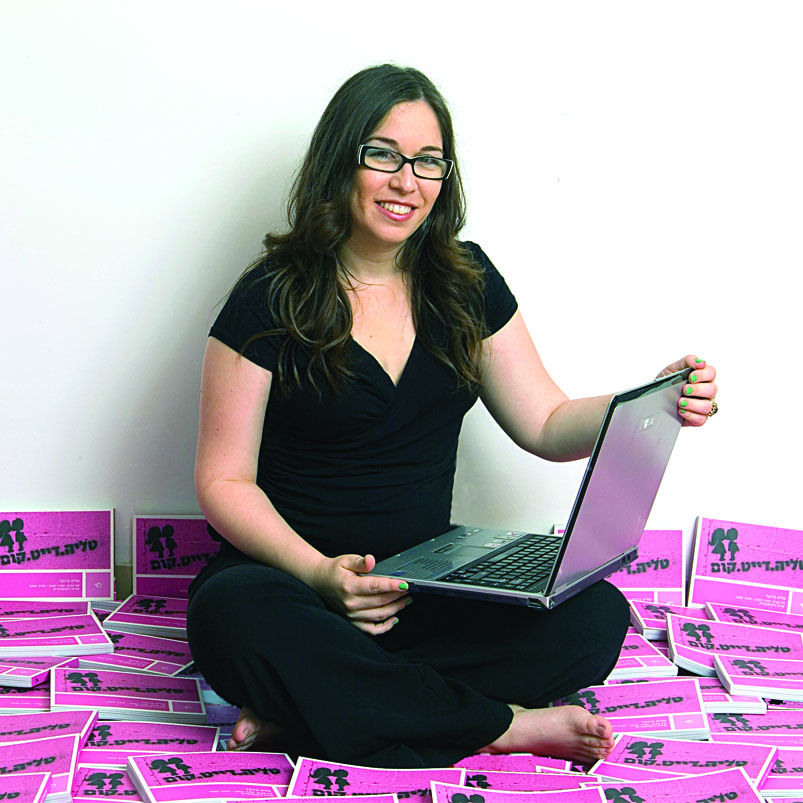
“TALIYA.DATE.COM”

cal-finkelDirector Taliya Finkel turns the camera on herself and her journey through the world of internet dating. Finkel goes from date to date in Tel Aviv, experiencing the many bizarre aspects of dating in the modern age in this comedy with a feminist tinge. Rated R. 11:30 a.m. $5. Congregation Beth Shalom, 21430 Centre Pointe Parkway, Santa Clarita. (661) 254-2411.

JEWISH COMMUNITY INCLUSION FESTIVAL

In celebration of Jewish Disability Awareness and Inclusion Month, enjoy activities such as arts and crafts, karaoke, gymnastics, music and dancing, farm activities, games and more. Hosted by HaMercaz-LAJAC Partners. Glatt kosher food available for purchase. Noon. $10 per family; $5 per individual. Vista Del Mar, 3200 Motor Ave., Los Angeles. (866) 287-8030. jfsla.org.

“YIDDISH SONGS OF LOVE”

Renowned L.A. Yiddish folk singer Cindy Paley will perform an evening of Yiddish love songs. Guest artist Menachem Mirski (from Poland) joins Isaac Sadigursky on accordion and Miamon Miller on violin. The Yiddish songs from the beginning of the century follow the theme of love and courtship. Audience participation is encouraged. 2 p.m. $15; $18 at the door. Valley Beth Shalom, 15739 Ventura Blvd., Encino. Also 7 p.m. Feb. 27; address provided upon RSVP. Tickets available at brownpapertickets.com.

URI CHIZKIA

Israeli comedian Uri Chizkia is sure to make you laugh. 7:30 p.m. Tickets start at $60. Wilshire Ebell Theatre, 4401 W. Eighth St., Los Angeles. israeliamerican.org.

MON | FEB 27

“JEWS IN THE WILD WEST”

Learn about how Jews were able to succeed in the Old West using their Jewish values. Each participant will receive a copy of guest speaker David Epstein’s book “Why the Jews Were So Successful in the Wild West … and How to Tell Their Stories.” 7 p.m. Advanced RSVP, $36; $72 on day of event. Kol Tikvah, 20400 Ventura Blvd., Woodland Hills. (818) 348-0670. koltikvah.org.

TUES | FEB 28

RACIAL & ETHNIC DIVERSITY IN THE JEWISH COMMUNITY

Every community, family and individual has a unique perspective on identity, and Jews are no different. This program for adults and teens on the multiplicity of Jewish identity will feature Joshua Silverstein, an award-winning actor, comedic writer and a bi-racial Jew. Sponsors include Temple Beth Am, Be’chol Lashon (“In Every Tongue”) and Beth Chayim Chadashim. 7 p.m. Free; RSVP requested. Temple Beth Am, 1039 S. La Cienega Blvd., Los Angeles. (310) 652-7353, ext. 215. tbala.org.

LESSONS FROM 40 YEARS OF WOMEN IN THE RABBINATE

This panel event will celebrate the award-winning book “The Sacred Calling: Four Decades of Women in the Rabbinate.” Moderated by Rabbi Denise L. Eger, founding rabbi of Congregation Kol Ami and the outgoing president of the Central Conference of American Rabbis (CCAR). Guest panelists include Rabbi Karen Bender, director of spiritual life for the Los Angeles Jewish Home in Reseda; Temple Emanuel of Beverly Hills Rabbi Emerita Laura Geller; and Rabbi Wendy Spears of Woodland Hills.  All four women are local contributors to the more-than-750-page anthology. 7 p.m. Free. Congregation Kol Ami, 1200 N. La Brea Ave., West Hollywood. (323) 606-0996. kol-ami.org.

THURS | MARCH 2

THE HOMELESS CRISIS IN L.A.: WHERE ARE THE ANSWERS?

Join the Executives Speaker Series Breakfast, featuring Los Angeles Homeless Services Authority Commissioner Wendy Greuel and Stephanie Klasky-Gamer, president and CEO of LA Family Housing . 7:30 a.m. Members $25, $30 at the door; nonmembers $35, $40 at the door. El Caballero Country Club, 18300 Tarzana Drive, Tarzana. (818) 774-3332. theexecutives.org.

Calendar: February 24 – March 2, 2017 Read More »

My father at ninety-two, splitting the days

It’s five minutes to twelve and the sun
glares in our faces — quite a phenomenon,
he says, to see the windows full of light
and everyone going about — at midnight!
The clock plays second fiddle to his brain.
An hour’s nap and he begins the day again,
washes, changes his shirt, and expects
his breakfast on the table. He respects
my worn explaining as a kind of busy
work, shrugs with courtesy. He is dizzy
with the earth’s rotation spinning away
twenty-four to the dozen, each brief new day
a clone to the last. Like a match burning
meridians, he strikes his shadow’s turn.


Charlotte Mandel has published nine books of poetry, including her poem-novella, “The Marriages of Jacob,” which she calls “a feminist midrash.” Visit her work at charlottemandel.com. This poem originally appeared in “Keeping Him Alive,” Silver Apples Press (1990).

My father at ninety-two, splitting the days Read More »

Home design: Living in La La Land

After seeing the Oscar-nominated “La La Land,” some viewers understandably are in the mood to break out in song and dance. But the movie may inspire you in another way — to redecorate.

From the boho-chic apartment of Emma Stone’s character Mia to the Technicolor settings in the fantasy numbers, the world of “La La Land” is bursting with design inspiration. And here’s how you can relive the magic of the movie in your own home.

Mismatched vintage

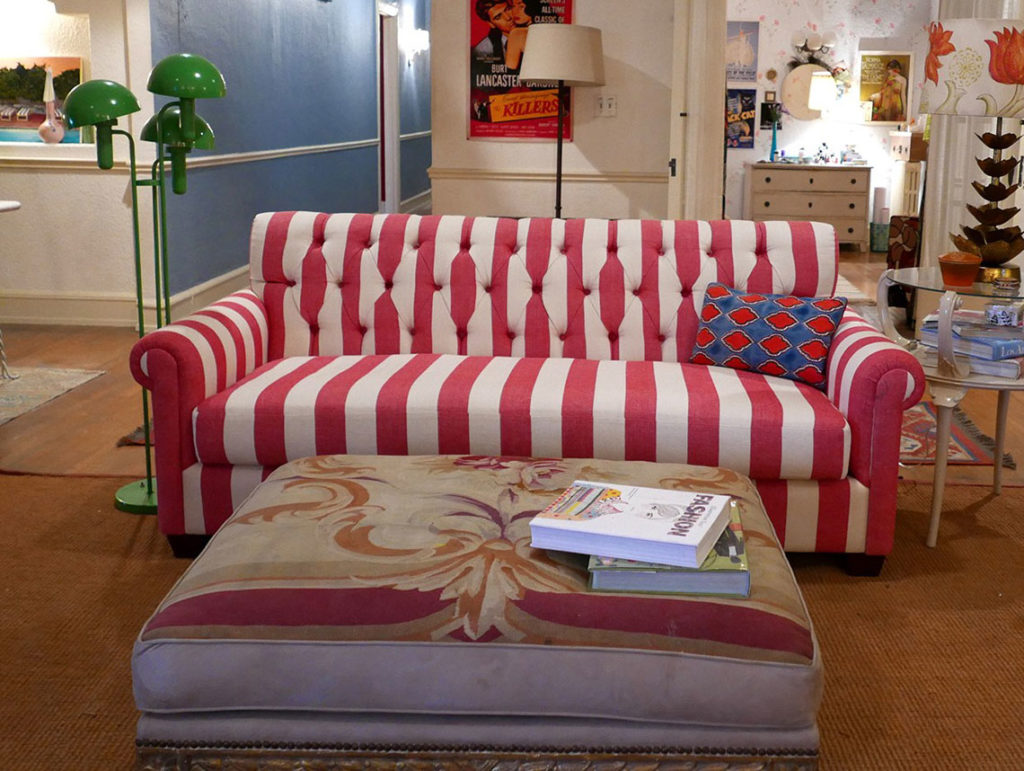
Mia’s apartment features a collection of flea market finds, none of which really go with one another — yet it definitely has that Anthropologie store vibe.

Primary colors

primarycolors

People are reluctant to decorate with primary colors, but in the saturated world of “La La Land,” bright colors leap off the screen. If you’re afraid of going primary, try it in small doses, like with these red pillows available at Pier One, which complement the surrounding patterns. (Emma Stone not included.)

Pattern on pattern

pattern_chevron

The movie’s set design does not shy away from patterns, unabashedly mixing stripes, florals and ethnic prints. These chevron curtain panels from West Elm are identical to the ones in Mia’s apartment.

Old movie nostalgia

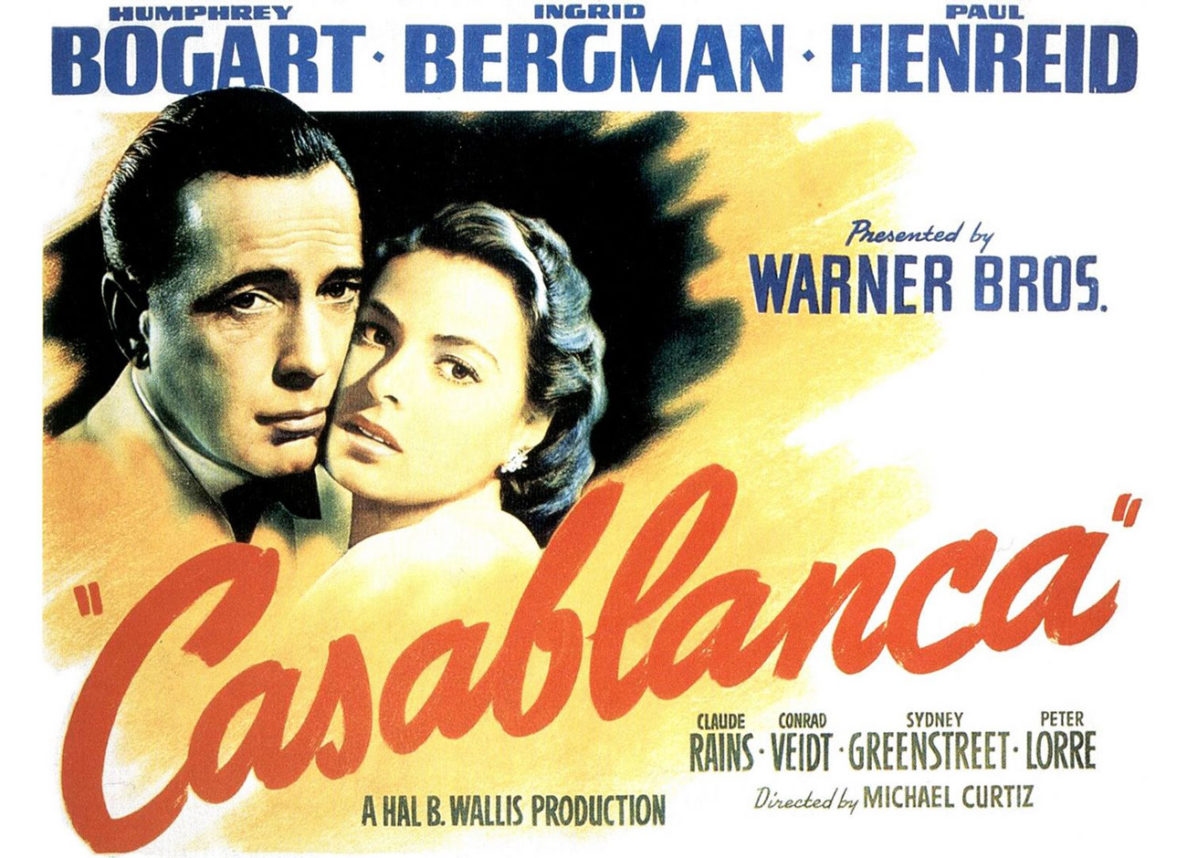
Classic movies are a recurring motif throughout the movie, and Mia even has a huge “Casablanca” poster like this behind her bed. Get the same look with posters of your favorite classic movies, which are readily available at sites such as eBay and allposters.com. (I knew I shouldn’t have given away my old “Xanadu” poster.)

Dancing with the stars

dancing_with_the_stars

One of the dazzling highlights in the movie is the dance among the stars at the Griffith Observatory. Re-create your own shower of stars with a laser star projector that shines onto your walls and ceilings. It’s available from Hammacher Schlemmer.

Walking into a Van Gogh

starry_night

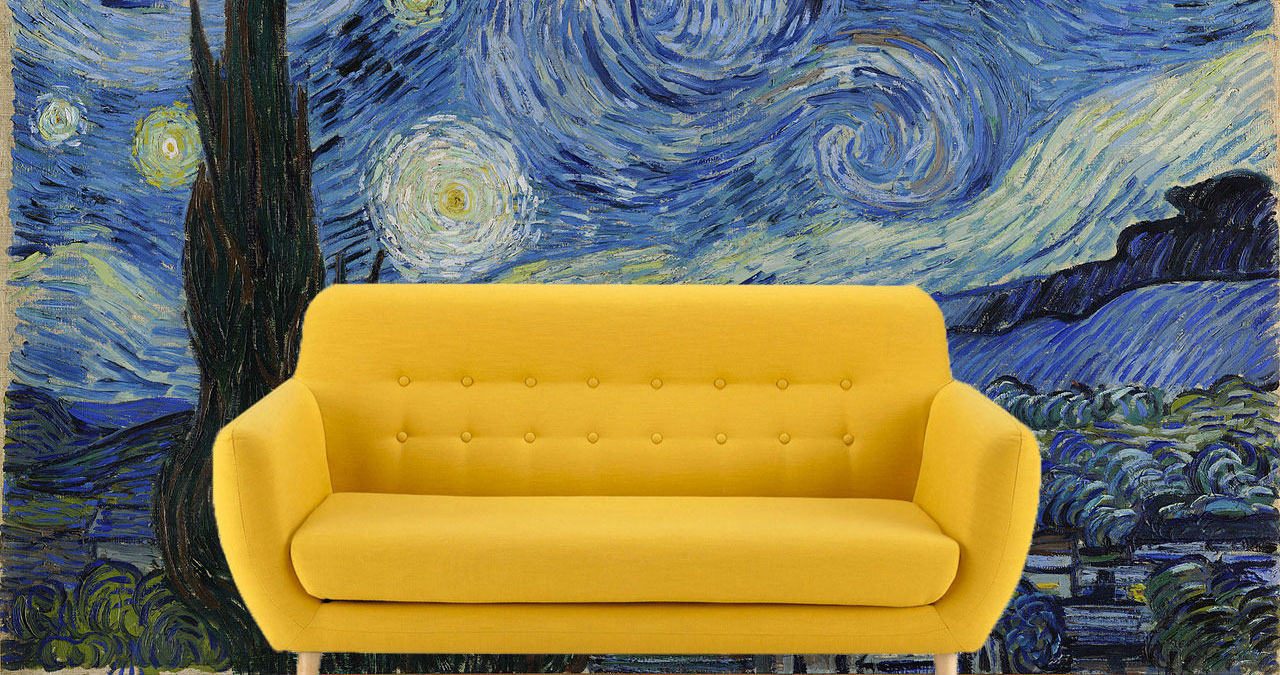
In the movie’s final musical number, Emma Stone and Ryan Gosling step into a fantasy vision of Paris that resembles a living Van Gogh painting. You can feel like you’re living in a Van Gogh with this wall-sized “The Starry Night” from muralsyourway.com.


Jonathan Fong is the author of “Walls That Wow,” “Flowers That Wow” and “Parties That Wow,” and host of “Style With a Smile” on YouTube. You can see more of his do-it-yourself  projects at jonathanfongstyle.com.

Home design: Living in La La Land Read More »

Moving and Shaking: JBBBSLA’s Big Event, Board of Rabbis Installation, New JCF Chair

At its annual “Big Event” on Feb. 9, Jewish Big Brothers Big Sisters of Los Angeles (JBBBSLA) honored Elizabeth and Glen Friedman with its Inspiration Award, Gary Weinhouse as Big Brother of the Year and Kallyn Woodward as Big Sister of the Year.

The agency served 1,753 children in 2016, including 225 who were matched with a “Big” and 1,311 who attended its Camp Bob Waldorf on the Max Straus Campus, said the group’s CEO, Randy Schwab.

Woodward’s “Little,” Liam Sason, presented her with the Big Sister award. Weinhouse’s “Little,” Michael Heller, a grown man who has been paired with Weinhouse since he was a little boy and today is a “Big” to a child in need, presented Weinhouse with his award.

Attendees at the event, held at the Beverly Wilshire Hotel, included longtime Big Brother Barry Oppenheim. A congregant of Temple Beth Am and father of two, Oppenheim told the Journal that volunteering with the organization has been the best thing he has done, other than having kids of his own.

Additional attendees included volunteer Alana Bram, who wore a pin that read, “I am a Big”; philanthropist Bob Waldorf; Jewish Federation of Greater Los Angeles Executive Vice President Andrew Cushnir and the organization’s director of community engagement, Ashley Waterman.

The event raised more than $400,000, according to a JBBBSLA statement.

Founded in 1915, JBBBSLA is one of three Big Brother Big Sister mentoring organizations in the Los Angeles area. It is open to all Jewish children, including those with special needs, who are in need of a positive role model.


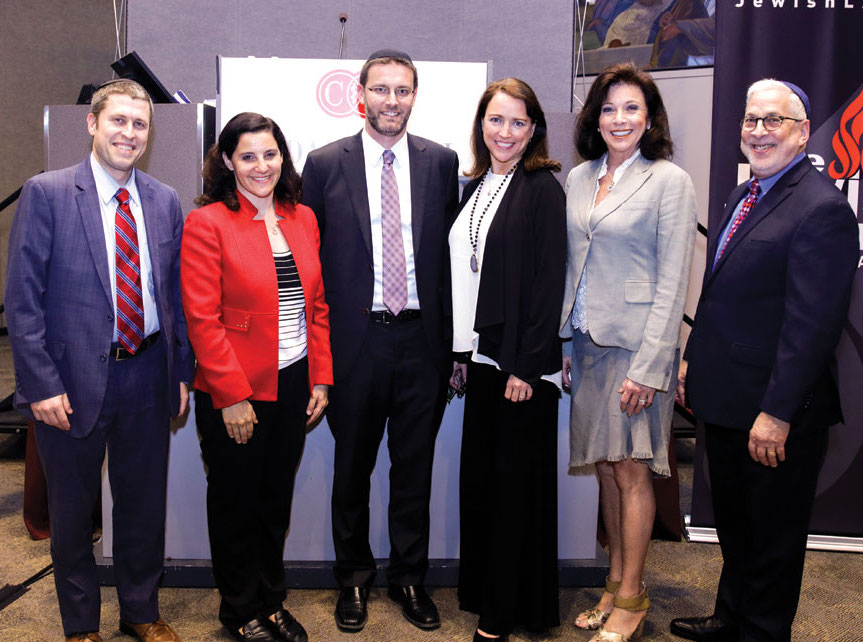
From left: Rabbis Kalman Topp, Ilana Grinblatt, Jason Weiner, Amy Bernstein, Lynn Brody Slome and Morley Feinstein attend the installation ceremony for Weiner, the president of the Board of Rabbis of Southern California.
From left: Rabbis Kalman Topp, Ilana Grinblatt, Jason Weiner, Amy Bernstein, Lynn Brody Slome and Morley Feinstein attend the installation ceremony for Weiner, the president of the Board of Rabbis of Southern California. Photo courtesy of Cedars-Sinai Medical Center.

Cedars-Sinai Medical Center’s chaplain, Rabbi Jason Weiner, was installed as president of the Board of Rabbis of Southern California on Feb. 15 during a ceremony at Cedars-Sinai.

Weiner, the senior rabbi and manager of the Cedars-Sinai Spiritual Care Department since 2011, is the first chaplain-rabbi to serve as president of the Board of Rabbis in its 80-year history.

“My goal is to contribute to the ongoing professionalization of chaplaincy and to help chaplains gain better support and recognition,” Weiner said. “I also hope to bring attention to non-pulpit rabbis who may sometimes feel that their voices aren’t sufficiently heard by large, communal organizations.”

Attendees at the ceremony included Rabbi Kalman Topp of Beth Jacob Congregation and a Board of Rabbis vice president; Rabbi Amy Bernstein of Kehillat Israel, also a vice president; Rabbi Morley Feinstein of University Synagogue and the immediate past president of the board; Rabbi Ilana Grinblatt, a lecturer in rabbinic studies at the Ziegler School of Rabbinic Studies at American Jewish University; and Rabbi Lynn Brody Slome of the Academy of Jewish Religion, California.

The Board of Rabbis of Southern California is a membership organization for synagogues both large and small that provides programming and leadership training in the areas of interfaith engagement, social justice, healing and spirituality, professional development and more.


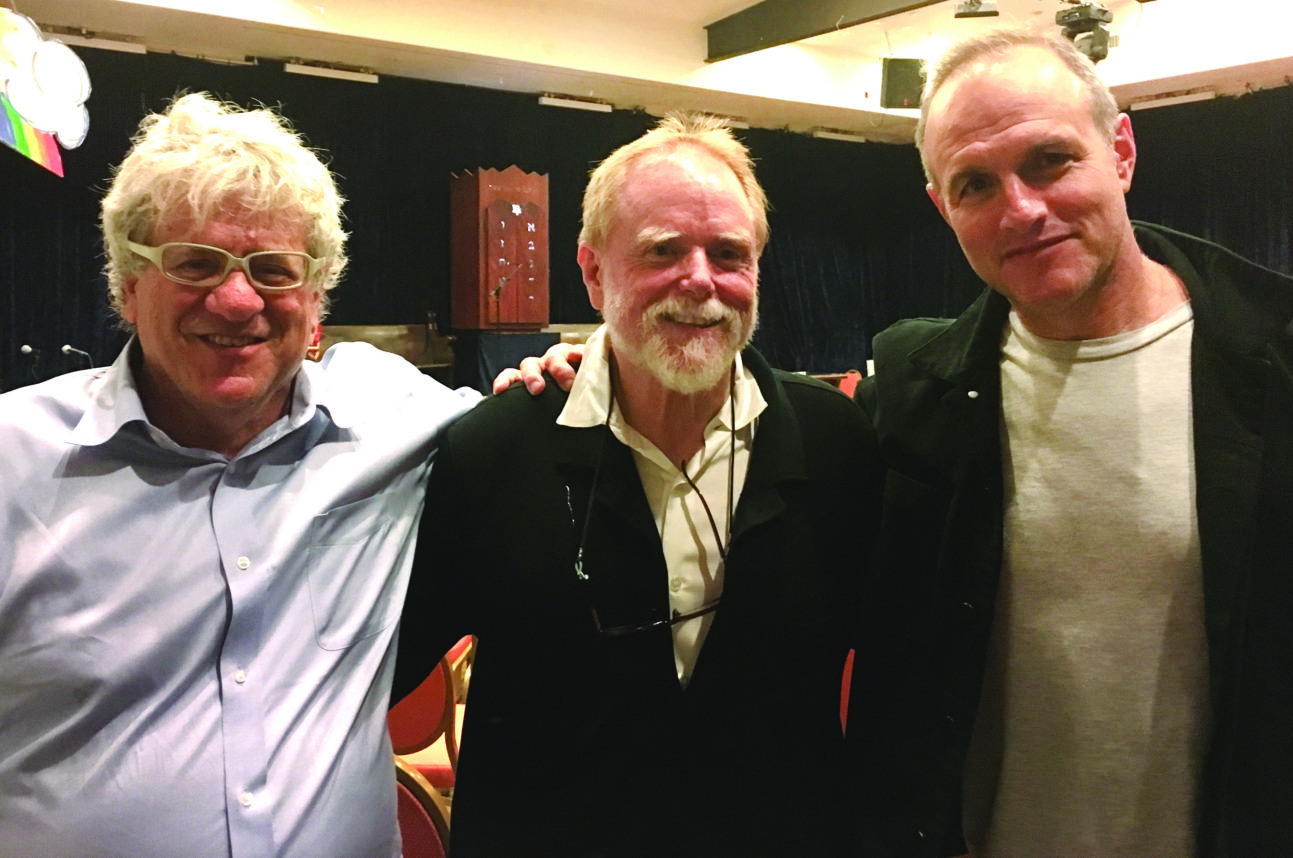
From left: Richard Foos, Ohr HaTorah member; Rabbi Mordecai Finley; and Cliff Chenfeld, visiting from New York.
From left: Richard Foos, Ohr HaTorah member; Rabbi Mordecai Finley; and Cliff Chenfeld, visiting from New York. Photo courtesy of Ohr HaTorah.

“Steve Bannon is a racist.”

“Trump is mentally unstable.”

“[Secretary of Education] Betsy DeVos is uneducated.”

Those were some of the comments from participants in a group session that Rabbi Mordecai Finley of Ohr HaTorah Synagogue held Feb. 10 in response to people’s requests for counseling on how to reduce their post-election anxiety.

Committed to an apolitical pulpit, Finley offered this overarching advice at his Los Angeles sanctuary: be vigilant, seek to understand other perspectives, take action when fears are justified by measurable outcomes and, most of all, keep calm.

“Fighters who win can take a punch and fight calm,” said the interdisciplinary rabbi, citing his martial arts training.

Avoiding polemics, Finley, a Holocaust scholar, cautioned the approximately 50 attendees not to equate President Donald Trump’s rise with the rise of Hitler.

“Don’t throw around Holocaust, Hitler and genocide until someone deserves the title,” Finley said, “because all it does is make someone hysterical.”

Rather, he advised, people should seek to reduce and avoid sensationalist, incendiary labels and comments: “Be afraid of a thing, not an indefinite phenomena.”

Referencing Abrahamic traditions, Finley advocated for a “civic covenant” to maintain constructive, open, thoughtful dialogue, especially among families and friends torn apart over the presidential election.

Citing the closing of Abraham Lincoln’s second inaugural address — “With malice toward none, with charity for all…” — Finley reminded the attendees of the bloody U.S. Civil War, which puts today’s divisive political climate in perspective.

Preaching tolerance, Finley told the rabbinic tale of Abraham kicking out a guest in the middle of the night when he found him worshipping idols, to which God responded: “I’ve had to deal with the guy for 70 years and you can’t take him for one night?” To which Finley added: “That’s part of our Jewish ethos.”

—Orit Arfa, Contributing Writer


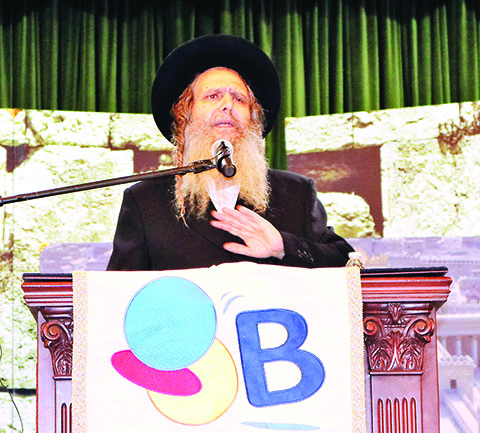
ms-rabbi-arushRabbi Shalom Arush, 64, author of the best-selling books “Garden of Emuna” and “Garden of Peace,” delivered lectures at The Saban Theatre in Beverly Hills and at the Eretz Cultural Center in Tarzana on Feb. 7 and 8, respectively, to audiences totaling 2,100 people.

The Israeli Breslov rabbi, founder of the Chut Shel Chessed Institutions, visited from Jerusalem at the invitation of Unity 3000, a local organization founded three years ago by Ariel Perets. The organization aspires to bring together Orthodox, secular, Ashkenazi and Sephardic Jews through unity and faith, Perets said.

Jews, Muslims and Christians who have read the rabbi’s books and love his message attended the rabbi’s lectures, Perets said. Arush is not a typical Orthodox rabbi, which is perhaps one of the reasons his lectures attract Jews and non-Jews. At times during his lecture, he started singing and audience members clapped their hands in unison and joined in.

For non-Hebrew speakers, the organizers provided headphones offering translations to English and Spanish. The rabbi discussed the importance of faith in a person’s life and how everything that happens, whether it’s good or bad, happens for the best and has a reason to it.

Born in Morocco, Arush made aliyah with his parents at age 13. After graduating from high school, he served in the Israel Defense Forces’ elite naval rescue unit as an airborne combat-medic and took part in many clandestine missions. After five of his closest friends were killed in a helicopter crash while on a mission, he decided to make a change in his life and studied in several yeshivot until he discovered Breslov Judaism, a branch of Chassidic Judaism founded by Rebbe Nachman of Breslov.

Arush travels the world now giving lectures about Breslov Judaism.

At the end of each of the L.A.-area lectures, many people from the audience approached the rabbi and asked him for his blessing.

“It’s very rare to see an Orthodox rabbi who appeals to people who aren’t religious or aren’t Jewish, and that’s why I chose to bring him here for this lecture,” Perets said. “I discovered him after reading one of his books and flew all the way to Uman [a pilgrimage site in Ukraine for Breslov Jews] to see who is this person with simple wisdom that touched my heart.”

— Ayala Or-El, Contributing Writer


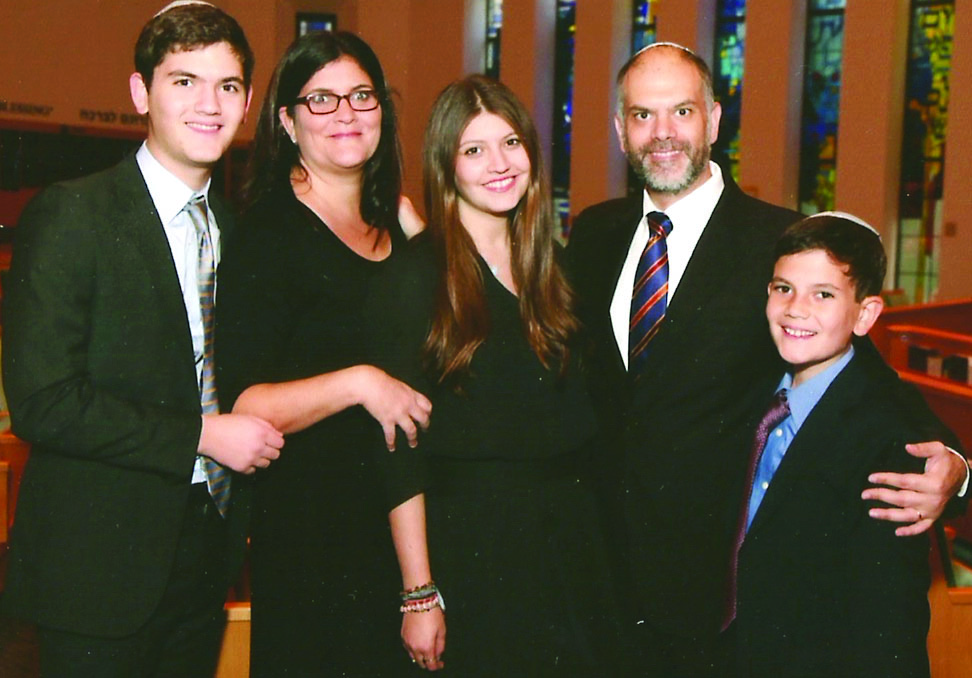
Shalhevet High School Dean of Students Jason Feld (second from right), who has accepted a job in Seattle as head of school of Northwest Yeshiva High School, poses with his family. He starts that position on July 1. Photo courtesy of Feld.

Jason Feld, Shalhevet High School’s dean of students, has accepted a position as the head of school of Northwest Yeshiva High School in Seattle, effective July 1, according to an announcement by Shalhevet’s Head of School Ari Segal.

“It’s a wonderful community and amazing school, and I think I have something to add and contribute to it,” Feld said in an interview. “I am very, very excited about it.”

“While we will sorely miss Jason and his family, we are so happy for him as he embarks on this exciting new chapter of his career,” Segal said in the Jan. 30 statement.

A successor for Feld, who has been at Shalhevet for 10 years as a teacher, administrator and student adviser, has not yet been named.

“We are exploring all of our options, including filling the components of the role internally,” Segal told the Journal in an email. “Just happy for Jason and also for Shalhevet to be a talent feeder to other schools.”


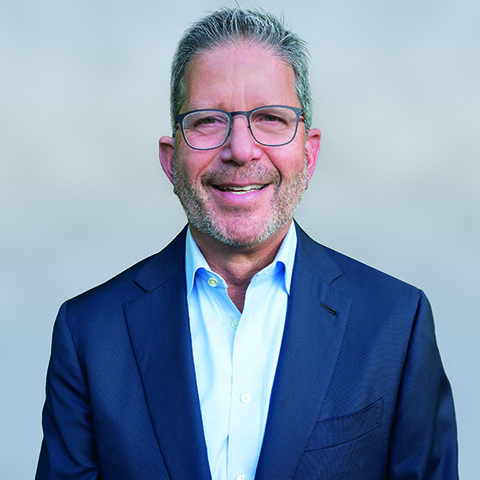
ms-bill-feilerWilliam Feiler has succeeded Lawrence Rauch as the chair of the Jewish Community Foundation of Los Angeles, effective Feb. 2.

The leadership transition at the grant-making organization follows a four-year term served by Rauch.

During Rauch’s term, the foundation surpassed $1 billion in assets, attracted more than $508 million in charitable contributions and distributed more than $322 million in grants locally, nationally and in Israel, said Lewis Groner, the foundation’s director of marketing and communications.

Feiler, a longtime donor, trustee and officer at the foundation, is the former managing director and founding member of Bel Air Investment Advisors.

“He possesses the insight and understanding of our mission, our operating practices and unique position we occupy in the Jewish and general community,” Groner said of Feiler. “He just has long-term experience with us.”

Moving & Shaking highlights events, honors and simchas. Got a tip? Email ryant@jewishjournal.com.

Moving and Shaking: JBBBSLA’s Big Event, Board of Rabbis Installation, New JCF Chair Read More »