fbpx

Music in a Universal Key

A Turkish-born cantor will bring tunes of his Sephardi heritage to a festival next week celebrating Southern California\'s religious diversity.
[additional-authors]
September 12, 2002

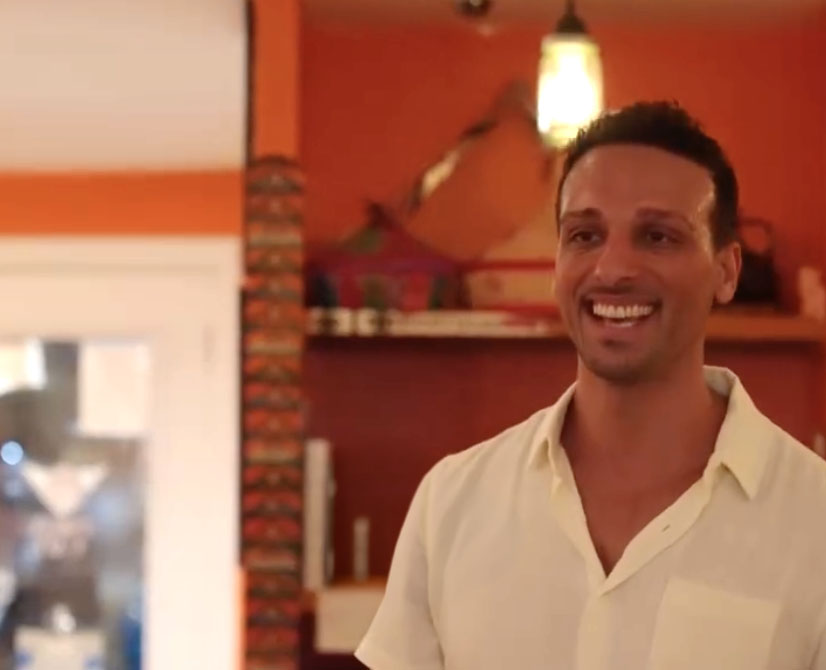
A Turkish-born cantor will bring tunes of his Sephardi heritage to a festival next week celebrating Southern California’s religious diversity. Haim Mizrahi, who sings at Sephardic Temple Tifereth Israel in Westwood, will be the Jewish representative at "A Universal Harmony of Souls: An Evening of Sacred Music and Prayer," hosted by the Self-Realization Fellowship at its Lake Shrine in Pacific Palisades on Sept. 22.

Mizrahi will sing synagogue music in Hebrew and Ladino on a program that also includes recitations from Christian and Islamic traditions and music and dance performances from Baha’i and several Asian cultural groups.

Born and raised in Istanbul, Mizrahi, 62, grew up in the synagogue, steeped in the music and liturgy of his Iberian ancestors. His path as a cantor was laid out in childhood. Even as a teenager, Mizrahi led services in small Turkish towns. "It came naturally," Mizrahi told The Journal. "When you have a nice voice and you can read Hebrew nicely, you begin to learn chazanut [cantorial music]."

He and his wife, Rachel, made aliyah in 1971 and reared their two children, Esther, 32, and Isaac, 30, in Israel. Both children are pianists; Isaac will accompany his father on Sept. 22.

Unable to find a year-round pulpit in Israel, Mizrahi brought his family to San Diego in 1980, after singing High Holiday services there. He helped start a Sephardic congregation in Chula Vista and led it for 10 years before taking his post in Westwood; he and his wife still live in San Diego.

Mizrahi seemed less interested in the multicultural nature of the festival and its goals of bringing together people of many different faiths and traditions than in the simple joy of singing the tunes of a career that has spanned almost 50 years. "Everyone who sings, it’s to make himself and other people happy," he said. "This is the best thing you can do: to make them happy."


Did you enjoy this article?
You'll love our roundtable.

Editor's Picks

Latest Articles

Antisemitism, Deicide, and Revolution

The United States Conference of Catholic Bishops did a remarkable thing: It issued a memorandum to all American Catholic bishops urging them to prepare their teachings carefully during this Easter period and ensure that they accurately present the Church’s positive teachings about Jews.

Chametz Is More than Crumbs in the Corners of our Homes

Chametz is also something that gathers in the corners of our being, the spiritual chametz that, like the physical particles we gather the night before Passover, can infect, wither, influence and sabotage us as we engage with others.

Alpine Flavors—a Crunchy Granola Recipe

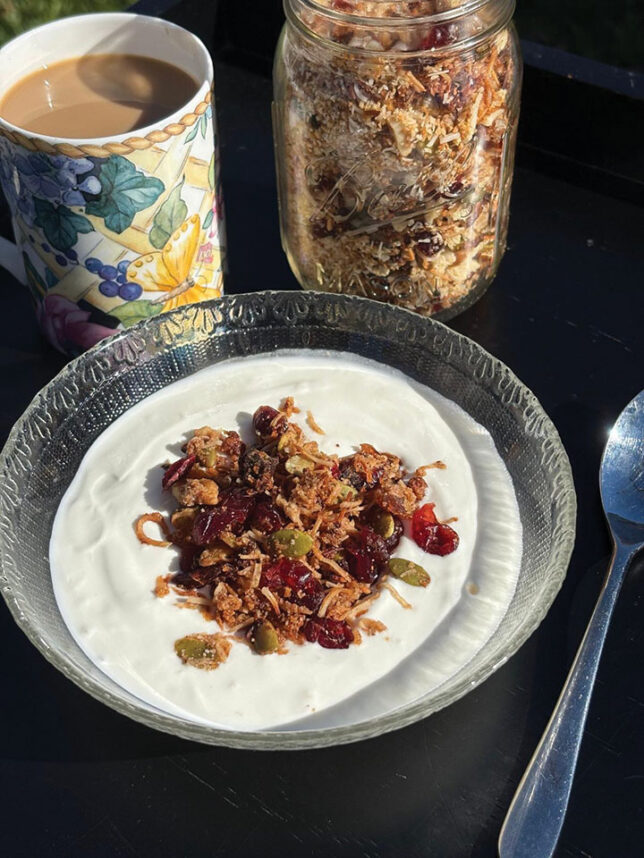
Every Passover, I prepare a truly delicious gluten-free granola. I use lots of nuts and seeds (pistachios, walnuts, almonds and pumpkin seeds) and dried fruits (apricots, dates and cranberries).

Pesach Reflections

How does the Exodus story, Judaism’s foundational narrative of freedom, speak to the present? We asked local leaders, including rabbis, educators and podcasters, to weigh in.

Rosner’s Domain | Be Skeptical of Skeptics, Too

Whoever risks a decisive or semi-decisive prediction of the campaign’s end (and there is a long list of such figures on the Israeli side as well as the American side) is not demonstrating wisdom but rather a lack of seriousness.

When We Can No Longer Agree on Who Is Pharaoh

The Seder asks us to remain present to the tension between competing fears and obligations. It does not require choosing one lesson over the other, but rather, it creates space for us to articulate our concerns and listen to the fears and hopes that shape others’ views.

More news and opinions than at a Shabbat dinner, right in your inbox.