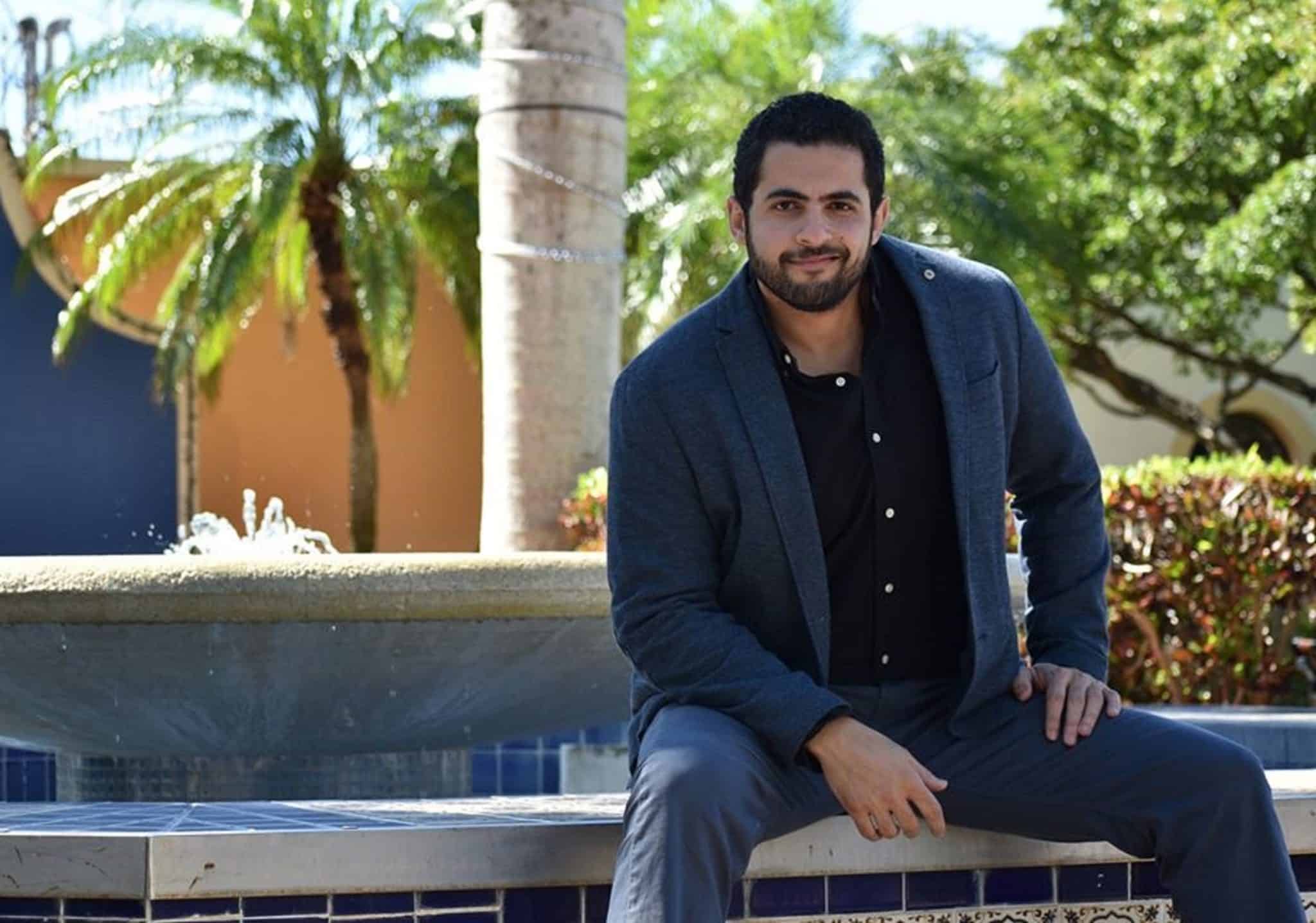
As a young boy in Cairo, Hussein Aboubakr grew up hating Jews and even fantasized about becoming a jihadist. Now a U.S citizen living in Los Angeles, he works with the nonprofit StandWithUs (SWU) to fight anti-Semitism and promote peace. But getting to that enlightened point cost him his country, his family and almost his life. Aboubakr’s story of ordeal and triumph is the subject of the documentary “Minority of One” and his book of the same name.
In the film, directed by Ori Guendelman, Aboubakr talks about growing up in a culture of blind hatred and studying Hebrew and Jewish history to better understand the enemy. Learning the truth opened his eyes, but his studies aroused suspicion that he was spying for Israel, and he was surveilled, harassed and ultimately jailed.
Considered an enemy of the state, he was tortured, beaten daily and contemplated suicide. His involvement in the Arab Spring uprising in 2011 put him on the Muslim Brotherhood’s radar, and the harassment continued until friends secured a visa for him, enabling him to escape to the United States.
After a few terrible months living on the streets in an unfamiliar country, Aboubakr was granted asylum and found work teaching Hebrew at Valley Torah in Valley Village and at the Defense Language Institute in Monterey. “It took some time to learn how to be free,” he told the Journal. “With freedom comes a lot of responsibility — that’s the difference between a free society and a patriarchal society. I learned from the Zionists that if you want something, you have to get it for yourself.”
Although standing up for his convictions came at great personal cost, “I couldn’t deny the truth: Jews are not evil. Israelis don’t want to kill Arab children,” he said. “It wasn’t so much that I wanted to be an activist. I was a nerd and not inclined toward that kind of work. But I had to stay true to myself. It was a matter of self- respect. I’ve seen how much cruelty humans are capable of. Now I understand it in the wider context of political oppression in the Middle East. It’s not a problem that can be solved from the top down. It’s the cultural notions about power that need to change, need to be fixed in the society itself.”
“We have to invest in education. It’s the only defense we have against racism, anti-Semitism and prejudice.” — Hussein Aboubakr
Aboubakr joined SWU in 2019 as a public speaker and educator. “I’m very happy and proud to go from where I started to where I ended up,” he said, “and be trusted to teach the Jewish community and Jewish students about the issues about the efforts that we need but also bring it to the attention of Muslims who are unaware that the problem exists.”
He added, “I care about Egypt and Arab and Muslim societies and cultures. I have an interest in solving a lot of the issues we have, fundamentalism being one of the biggest. In telling my story I’m showing a dark picture of Arab society but I’m not doing it to show the inability of that society to progress toward a peaceful reality in the Middle East, especially with Israel. I’m telling it to say, ‘We have to do something. We have to invest in education.’ It’s the only defense we have against racism, anti-Semitism and prejudice.”
During these stay-at-home pandemic times, Aboubakr’s work has increasingly taken the form of webinars and he’s working with SWU to expand online content in Arabic. “I’d like to contribute to finding solutions and solving problems in Arab society to get us out of the gridlock we’re currently in. I’m very optimistic,” he said. “There are already massive changes in the Middle East since the Arab Spring. We’ve seen the governments of Saudi Arabia and the United Arab Emirates make it clear that they are no longer interested in the old paradigm of Arab-Israeli conflict and they are openly advocating for peace and coexistence with Israel. That’s a huge change.”
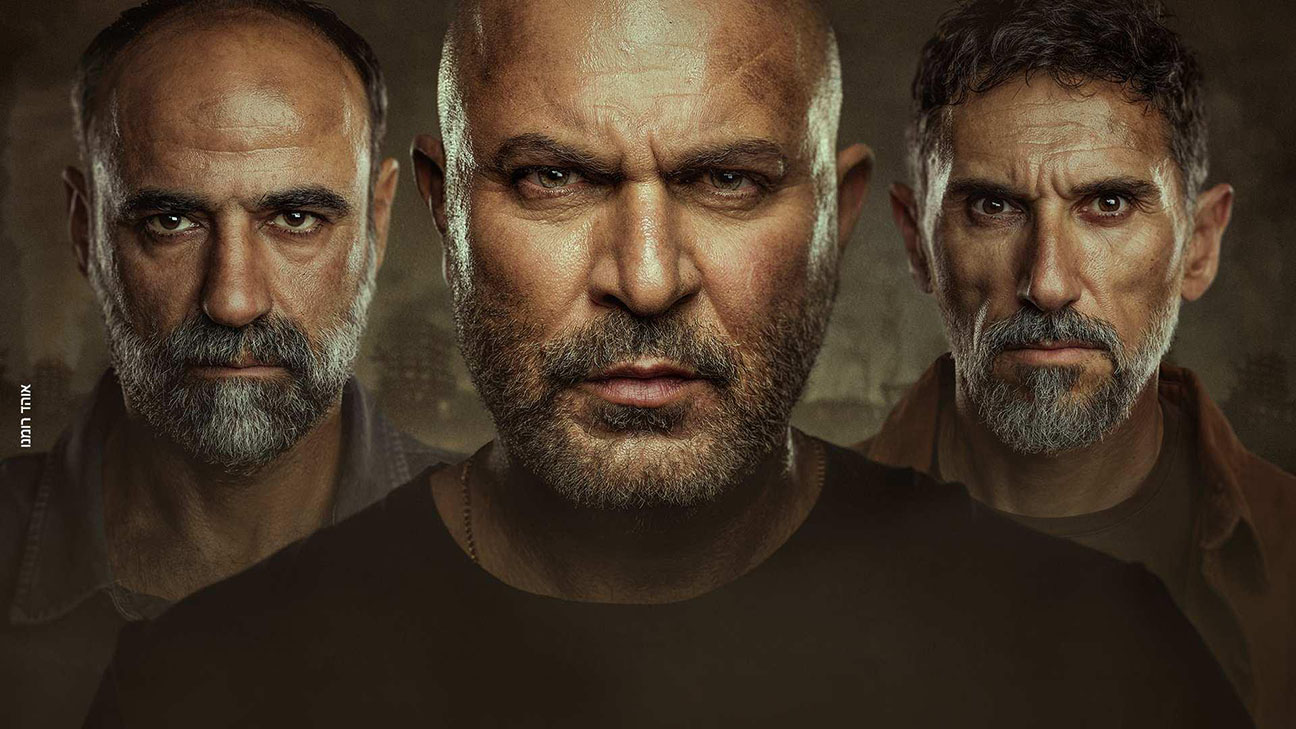
He continued, “In the past four years Saudi Arabia has had a lot of significant social reforms, specifically for women. Women can now legally drive and go to sporting events. The internet is changing a lot of things. People are exposed to things they had not been exposed to before,” he said, crediting the Israeli show “Fauda” for opening minds. He included his mother among the newly enlightened.
Formerly estranged from his family, “We didn’t talk for years. I still don’t talk to all of my siblings,” he said, but he regularly speaks to his mother now. “She is a very traditional Muslim woman who didn’t finish her education, but now with the internet and her phone, she watches YouTube and is learning about the world. I am optimistic that in our lifetime we’ll see significant progress in this issue.”
With plans to go to graduate school to study international affairs, Aboubakr is working and reading, taking advantage of more days at home as an opportunity for growth. He looks forward to having a family one day and hopes to make a return trip to Israel. “I have a lot of friends there,” he said. “It’s a beautiful country with a culture that’s very close to my own, but with freedom. Taking interest in the Jewish culture and Hebrew and Israel changed my life,” he added. “Israel is there to stay. We’re one region and our destinies are inseparable. It’s important that we get to know one another.”
“Minority of One” will have its global online premiere at 11 a.m. PDT June 22, followed by a live Q&A with Aboubakr. Register here.