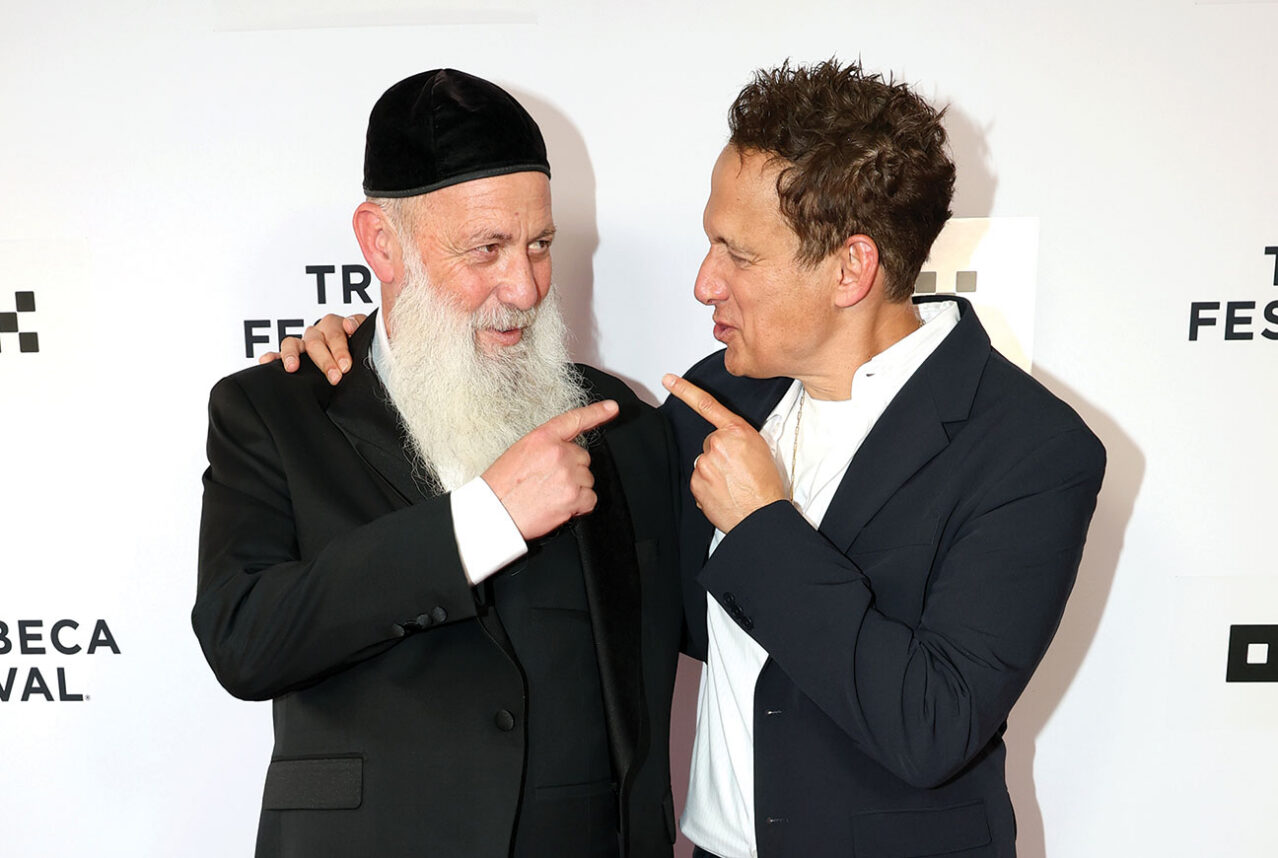
Joel and Ethan Coen, the quirky auteurs of “Fargo,” “Raising Arizona” and “The Big Lebowski,” are groaning.
They are recalling a recent viewing of their first feature film, “Blood Simple” (1984), a stylish, noirish tale of murder in Texas, which is being reissued in theaters today. “We cringed through the whole movie,” admits Joel, the elder brother, who is tall and thin, with tousled long hair and a scraggly goatee.”It was a bizarre and interesting exercise,” adds Ethan, who has freckles, round spectacles and a closely clipped red beard.
When an impending DVD release led to the restored director’s cut of “Blood Simple” not long ago, the unconventional Coens did exactly the opposite of what one might expect: They made the movie a bit shorter. “We cut out all the boring parts,” they say, in stereo, with twin shrugs. They also did some re-editing, remixed the sound and added some music they couldn’t afford when they were just a couple of tenacious Jewish kids from Minneapolis shlepping their first film around to festivals in order to find a distributor.
“Blood Simple” put the brothers on the map (Ethan quit his job as a statistical typist at Macy’s), and the Coens went on to write, produce and direct a series of off-center, ironic, unsettling fables peopled with vividly drawn cartoon characters.
Though Joel is credited as director and Ethan as producer, their work is so enmeshed that even the actors can’t say who does what. It’s been said that a typical exchange after a take involves Ethan saying, “Joel,” to which his brother replies, “Yeah, Ethan, I know. I’ll tell them.”
Their odd, distanced, outsiders’ view apparently comes from growing up Jewish, with Orthodox grandparents, in the icy American heartland, which is depicted in the Oscar-winning “Fargo” as a flat, frozen wasteland, occasionally broken by a tacky pancake house or a motel.
Everything about life in the suburbs outside Minneapolis was banal, they insist; the brothers, whose parents were university professors, amused themselves by making Super-8 films or watching kitschy programs on TV. While their sister went off to become a physician in Israel, they escaped to New York, where they worked odd jobs, bummed money from friends and scraped together the funds to complete “Blood Simple.”
The irreverent Coens are notorious among journalists for refusing to answer questions, but they perked up during a Journal interview when asked about the preponderance of unusual Jewish characters in their films. There is Bernie (John Turturro), the gay Jewish con man from “Miller’s Crossing”; the Clifford Odets-like playwright (also Turturro) afflicted with writer’s block in “Barton Fink”; and Walter Sobchak (John Goodman), the crazed Vietnam veteran of “The Big Lebowski,” who insists he cannot do this or that because he is shomer Shabbes.
Joel says the idea for Sobchak began as he was thinking about his Orthodox maternal grandparents and about an observant actress who once asked him if she would find work in the theater if she could not perform on Friday nights. “We wanted to explore the idea of someone in modern society who cleaves to all those rules,” Joel says. “The whole idea of this loose-cannon, gasbag Vietnam vet” proclaiming himself religious was rather funny and ironic, Ethan suggests.
As for “Barton Fink,” the brothers began the script as an antidote to their own writer’s block. While penning “Miller’s Crossing” in 1990, they could not finish the script. Instead, they paced, chain-smoked, telephoned friends, but nothing seemed to help. So they simply started another screenplay. “[It] washed out our brain, and we were able to go back and finish ‘Miller’s Crossing,’ ” Joel told The New York Times.