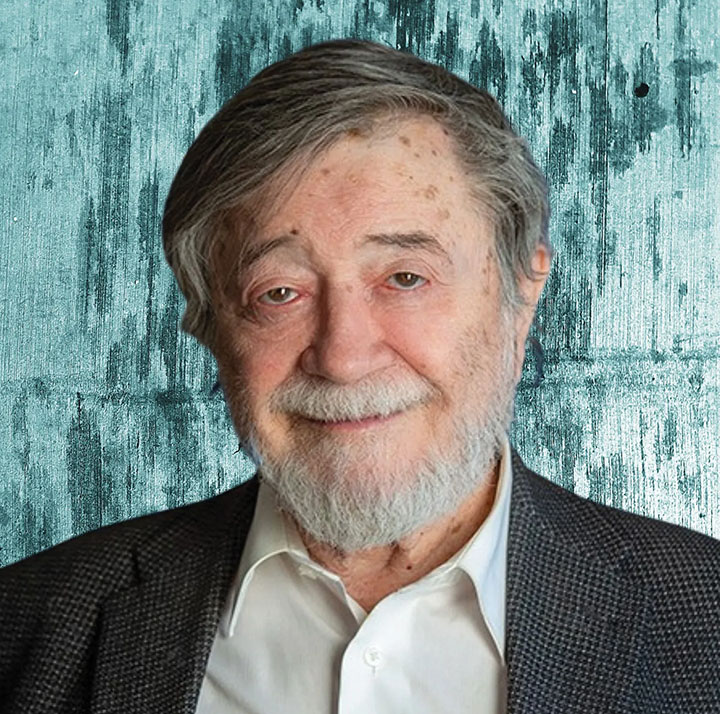
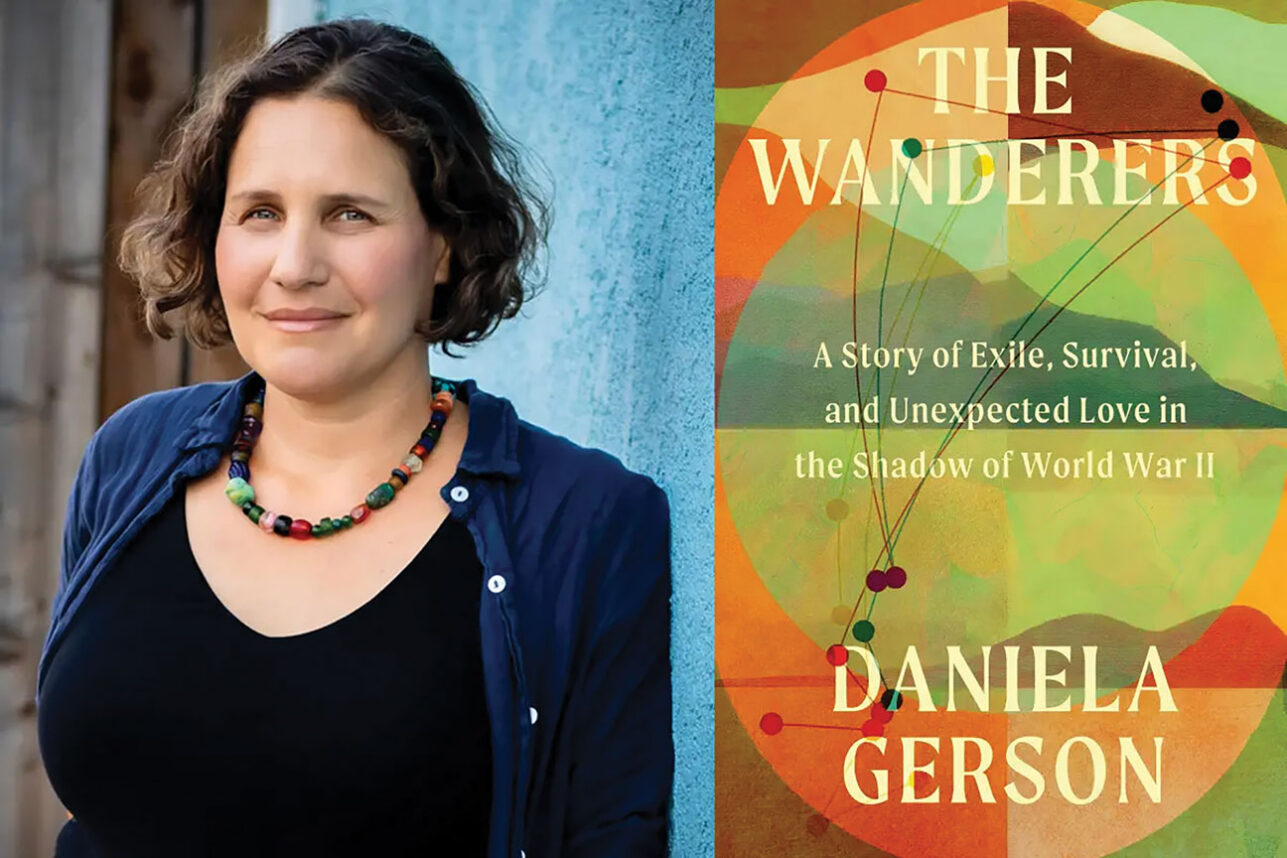
“Between the Lines of the Bible: A Study From the New School of Orthodox Torah Commentary,” by Rabbi Yitzchak Etshalom (Yashar Books)
Besotted with Torah.
That’s the phrase that springs to mind when reading Rabbi Yitzchak Etshalom’s “Between the Lines of the Bible: A Study From the New School of Orthodox Torah Commentary.”
The title is somewhat academic, and I have to admit that it does not make the book sound user-friendly. But make no mistake, this lovely and lively volume is a valuable addition to traditional Torah study and to the layman’s library.
One of the first maxims any budding Torah scholar learns is: Aseh L’cha rav — find yourself a teacher. For it is understood that no one can study Torah alone. The corridors of Torah study are an endless maze that can only lead to confusion and frustrating dead ends. Everyone needs a guide, and even the most brilliant talmudic students in the finest yeshivas must have a study partner.
Etshalom’s book cannot replace a study partner; no single book can do that. I’m sure that Etshalom would agree with me on this point, but his book is not meant to do that. Etshalom’s book is meant as a sort of introductory field guide to Torah.
Let’s admit something right away: When we read the narratives in the Torah, we often say to ourselves, “Gee willikers, this story is really weird; this narrative makes no sense. Do people really act this way? Did people ever act this way?”
This is why you have to study with a teacher. This is why you have to scrutinize the text using Rashi (Rabbi Solomon ben Isaac of 11th century France), the greatest of all commentators, so that you can, as Etshalom says, read between the lines.
I’m a screenwriter and novelist. I think in terms of fully realized characters. I insist on the primacy of characters that act and think in coherent ways, with what’s called in the trade: internal logic. I’m also conditioned to think in terms of plots that work in three acts and have setups and payoffs. I look for stories that end with neat fades to black; stories that are tidily resolved with no narrative problems left dangling.
This rarely happens in the Torah.
Thus, reading the stories in the Torah can be a frustrating experience. So much is left unsaid. Biblical dialogue is so spare it makes Hemingway look positively chatty.
But in truth, the bare bones tales are without literary peer — the basis for almost all Western literature. Etshalom uses traditional Torah sources, plus some of the newer disciplines of archaeology, philology, Assyriology, Egyptology, anthropology and literary theory to disclose the internal logic of the characters and to reveal the full magnificence and truth of the Torah narratives. He’s like a hugely gifted screenwriter filling out a skimpy outline stage by stage (on occasion, Etshalom even refers to the biblical characters as “actors”) so that finally the director can see the epic that he is going to shoot.
In his passionate and eye-opening second chapter, “Entering the Character’s World,” Etshalom analyzes the story of Joseph and his brothers. Here Etshalom introduces the reader to his principal methodology of parshanut — understanding the portions:
” target=”_blank”>seraphicpress.com.