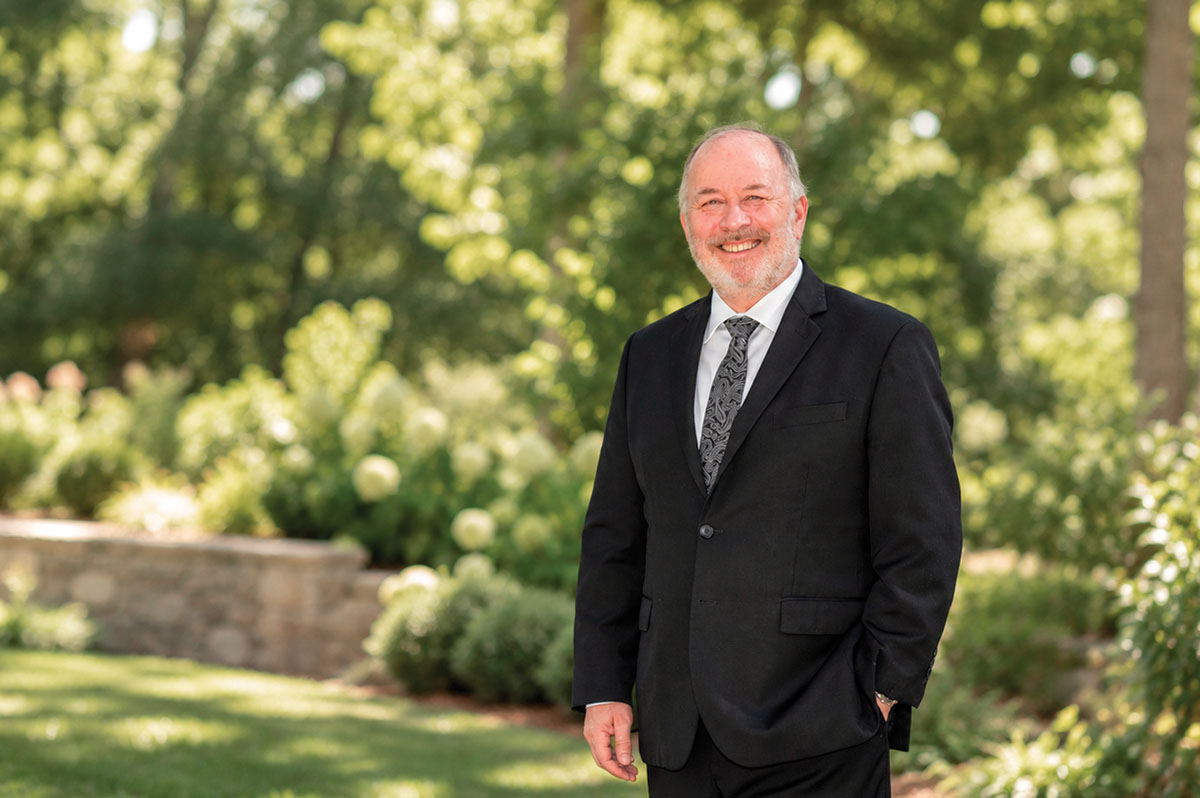
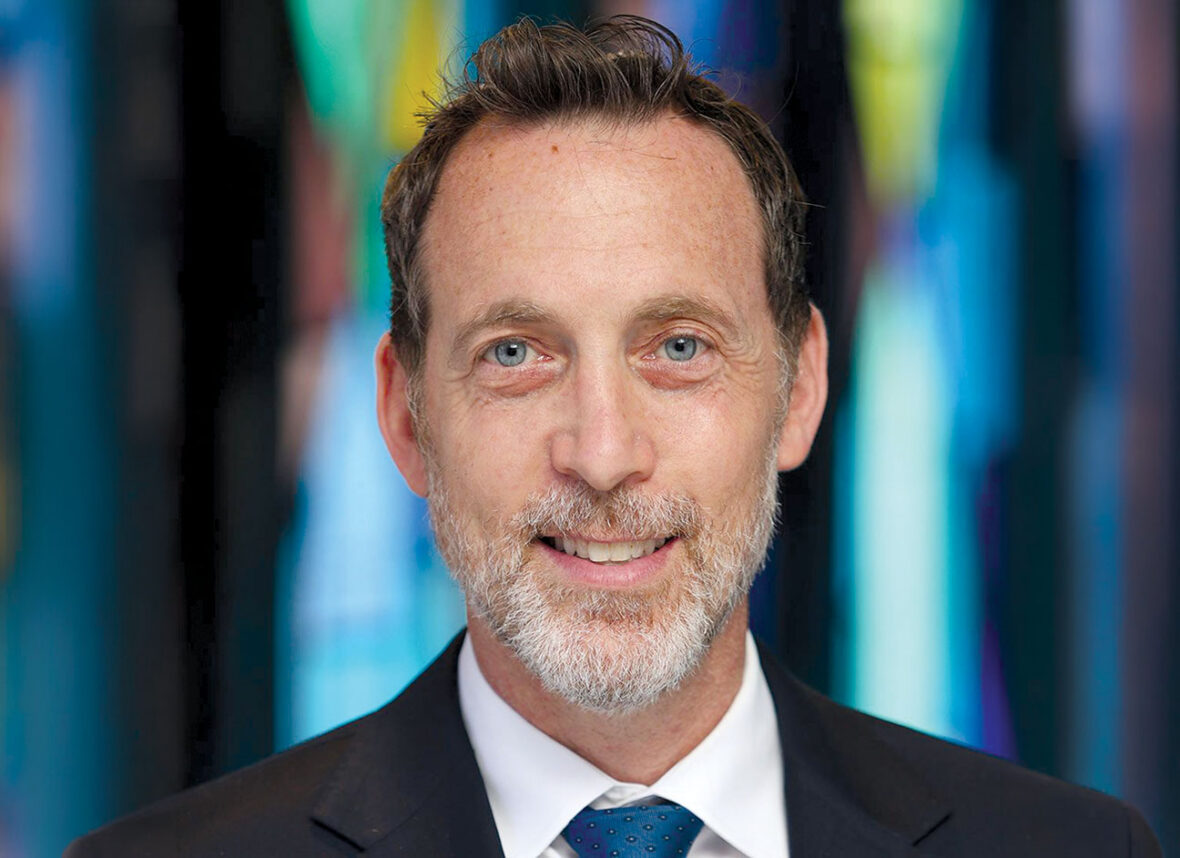
Although he doesn’t exactly think of it this way, Joshua Bell is the latest in a long line of Jewish violin-playing aristocracy.
His teacher was Joseph Gingold, and as Bell fondly recalled him, “He was a Russian Jewish violinist. He had an incredible joy for the violin that rubbed off. He introduced me to the older generation — Jascha Heifetz, Fritz Kreisler, Mischa Elman — and they became my idols.”
Those giants had been contemporaries of Gingold and, like him, were all Jews, too. Now Bell, who is generally acclaimed as America’s greatest living violinist, is the latest to be passed the scepter, even though he is only 38.
He may seem young, but he has been playing professionally since he was 14, so, as he admitted with a certain amusement, “I’ve been playing violin professionally longer than I was not playing before. And when you consider that I had my first public performance when I was 7…..”
But he is always aware of those Jewish ghosts at his back.
“A lot of the things that I do when I play are not things I picked up from them consciously, but by growing up with their language, through their music, I internalized it,” he said. “For example, the way they use rubato, something that’s very hard to teach. Kreisler would play incredibly rhythmically but around the beat. He did it very tastefully, it was never overdone.”
Bell is, by his own admission, more of a cultural Jew than a religious one.
“My mother is Jewish, a very typical Jewish mother,” he said. “She was very involved in my practicing. Both my parents were behind me and loved music. But for me, Jewishness was very much a cultural tie. I feel very close to the Jewish side of the family. I grew up with my Jewish cousins, going to all the bar mitzvahs, so I feel very close to that side, and I identify myself as being Jewish.”
He feels that identification with particular acuteness when he performs in Israel.
“My mother lived there; my grandfather was a Sabra,” he explained. “I have family there, and last year, I saw some of them for the first time since I was 4. Even my violin [a famous 1713 Stradivarius] has a connection to Israel. It was owned by Bronislaw Hubermann, who founded the Israel Phil, and when Israelis hear that it’s ‘the Hubermann,’ they get very excited.”
What is it about Jews and classical music? If you ask Bell he is, understandably, a bit guarded
“That’s something you’d have to ask a Jewish sociologist, which my uncle happens to be,” he said, laughing. “I guess it’s a cultural thing. To be successful in music, you need to grow up with cultural influences; in the Jewish households, culture and music are valued. It’s also about role models. Fifty years ago, a Jewish child would be told, ‘You’re going to be the next Heifetz.’ You have to be careful when you say things like this not to be misunderstood.”
Certainly Bell grew up with music all around him.
“Music was very important in my family,” he said. “All the cousins would come over for family musicales, and everybody would play. Nobody was a professional, so there wasn’t a family member to get me started. For me it was Joseph Gingold.”
Bell enjoys one of the busiest schedules a musician could dream of. The three weeks he will spend with the Los Angeles Philharmonic in October represent the longest stretch that he will be in one place all fall and winter. But someday, when his schedule slows down, he would like to do for some young would-be Joshua Bell what Gingold did for him.
“I had such a great relationship with my teacher,” he said. “Gingold told me stories about Ysaye, who was one of the greatest violinists of the 19th century and his teacher, and I’d like to pass these things on at some point in my life. I can’t imagine not doing that.”
Joshua Bell will perform with the Los Angeles Philharmonic Oct. 19-22 and in an open rehearsal and question-and-answer session with the Colburn Conservatory Orchestra on Oct. 27, followed the next night by a concert with the Colburn. He will appear in a chamber music recital Nov. 1 and again with the Philharmonic Nov. 3-5. All these events will take place at Walt Disney Concert Hall, 111 S. Grand Ave., Los Angeles, except for the concert on Nov. 4, which will be in Santa Barbara.
Bell’s newest CD, “Voice of the Violin,” is available on the Sony label.
For more information, call (323) 850-2000 or go to wdch.laphil.com.