






fbpx

Unspeakable Acts, Incredible Pictures

A large, striped blue-and-white flag bearing the phrase, \"Liberation!\" greets visitors at the Museum of Tolerance exhibit, \"Liberation! Revealing the Unspeakable,\" about the Allied soldiers and the starved, dying and dead Jews they discovered while liberating concentration camps. In a hallway there is a row of photographs of soldiers who became the saviors of survivors. Then, down a set of stairs to the main exhibit area, one gallery wall features a 1945 poem written by an unnamed survivor upon learning of Hitler\'s death: I have outlived the fiend My lifelong wish fulfilled What more need I achieve My heart is full of joy
[additional-authors]
July 14, 2005

A large, striped blue-and-white flag bearing the phrase, “Liberation!” greets visitors at the Museum of Tolerance exhibit, “Liberation! Revealing the Unspeakable,” about the Allied soldiers and the starved, dying and dead Jews they discovered while liberating concentration camps.

In a hallway there is a row of photographs of soldiers who became the saviors of survivors. Then, down a set of stairs to the main exhibit area, one gallery wall features a 1945 poem written by an unnamed survivor upon learning of Hitler’s death:

I have outlived the fiend
My lifelong wish fulfilled
What more need I achieve
My heart is full of joy

Such a bitter jubilation captures much of the exhibit’s poignancy; the photos show the relief of being rescued by American and British soldiers, and the agony of the just-ended genocide. There are photos of Japanese American soldiers helping camp survivors through the German snow, and of African American troops proudly standing near the artillery used to gain ground to, unknowingly, liberate camps. There is also a photo of four smiling U.S. rabbis at the bimah of a bombed-out German synagogue.

The exhibit includes a review from the late Susan Sontag’s 1977 book, “On Photography,” in which she wrote that “some limit had been reached, something went dead” in the Bergen-Belsen camp photos.

“The text is kept to a minimum; the photos speak for themselves,” said museum director Liebe Geft.

She said the museum’s many high school visitors learn more from photos than long text.

Most of the black-and-white photos are from military archives but some are soldiers’ snapshots: one group of shots has a photo of the Alps near Ebensee, Austria, followed next by shots of the Ebensee concentration camp.

The Museum of Tolerance is home to more than 50,000 artifacts, though less then 10 percent ever are on public display. The “Liberation!” exhibit opened May 8, V-E Day, and closes in late September.

“There are very few liberators and survivors that are amongst us,” said Rabbi Marvin Hier, founder and dean of the Museum of Tolerance and the Simon Wiesenthal Center. “When we celebrate the next anniversary, let’s say the 70th anniversary 10 years from now, there were will be very, very few.”

Hier said the “Liberation” exhibit speaks to the ongoing war on terror because, like totalitarian fascists of decades before, today’s terrorists “prefer death over life. How do you reason with such evil men? You waste your time trying to talk to Al Qaeda out of its evil. There are tough choices that generations have to make. The choice is either to confront them or to give up civilization as we know it, and yet in a world of terrorism today there are some who have a sort of na?ve notion that you can sort of talk down the bad guys.”

Los Angeles has hosted other recent Holocaust and Shoah-related exhibits. In the third- floor hallway of the UCLA Hillel, there is a long row of photos of Danish Jews and their rescuers. The black-and-white shots show weathered faces of elderly Danish clergy, journalists, clergy resistance members and, above all, fishermen who during two weeks in September 1943 ferried virtually all of Denmark’s 8,000-member Jewish community to neutral Sweden. The exhibit, “Humanity in Action; Resistance and Rescue in Denmark,” are portraits taken mostly in the 1990s by photographer Judy Ellis Glickman.

At the University of Judaism’s Platt/Borstein Gallery, the white walls have been hosting the stark photo series, “Polish Jewry Before WWII: Warsaw, Cracow and New York.” The five-week exhibit closes July 17; the photos by Roman Vishniac, Jacob Riis and Arnold Eagle are unforgiving in their scenes of pre-Holocaust Eastern Europe’s Jewish poverty, such as peasants in the Ukraine or a tiny basement Polish apartment. But amid this shetl misery there are also smiles; a grinning yeshiva teacher in 1938 Russia and men chatting outside a synagogue court in 1938 Lithuania. In the gallery’s comment book, a Valley Village woman wrote, “Beautiful + sad.”

At the Museum of Tolerance, a security guard recounted how he recently escorted an elderly Jewish couple through the “Liberation!” photos. So distraught did the couple become that the guard quietly helped them leave the exhibit, and in doing this he found himself choked up, too.

“Liberation!” runs through Sept. 30 at the Museum of Tolerance, 9786 W. Pico Blvd., Los Angeles. $7-$10. For more information, call (310) 553-8403 or visit

Did you enjoy this article?
You'll love our roundtable.

Editor's Picks

Latest Articles

The Silent Boycott

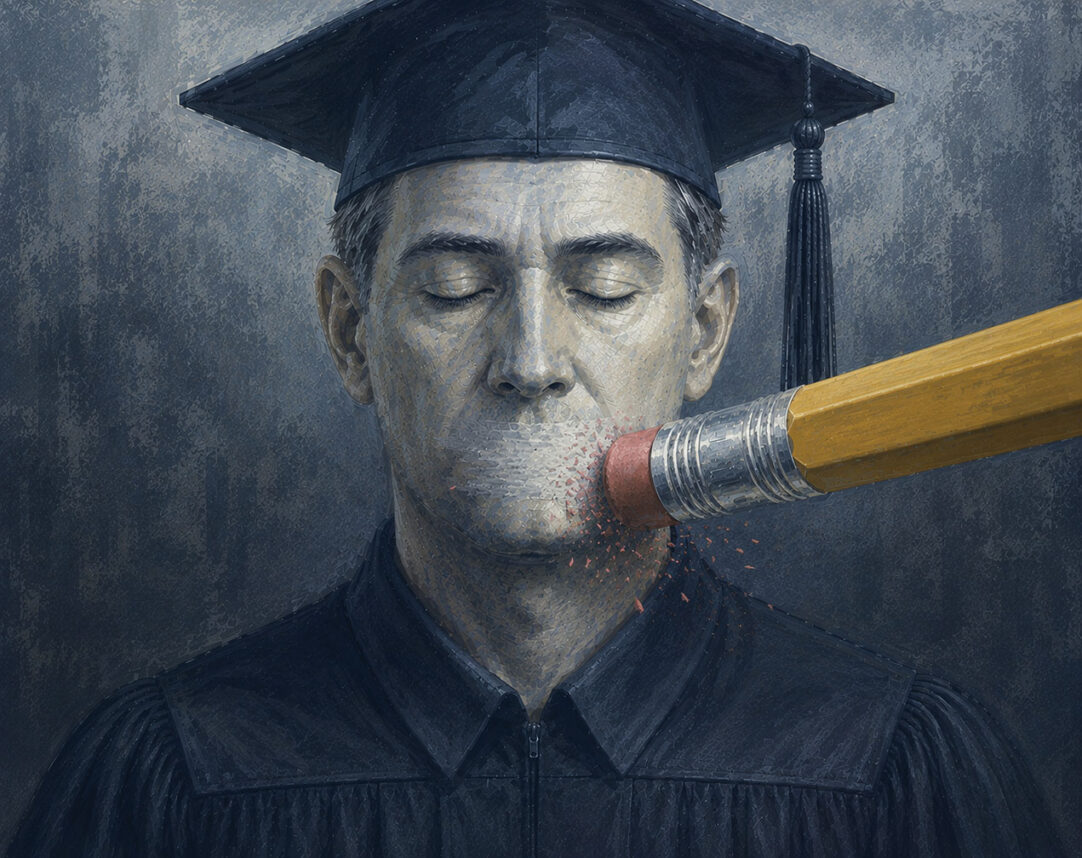
How Israeli Academics Are Being Shut Out of the International Academic World

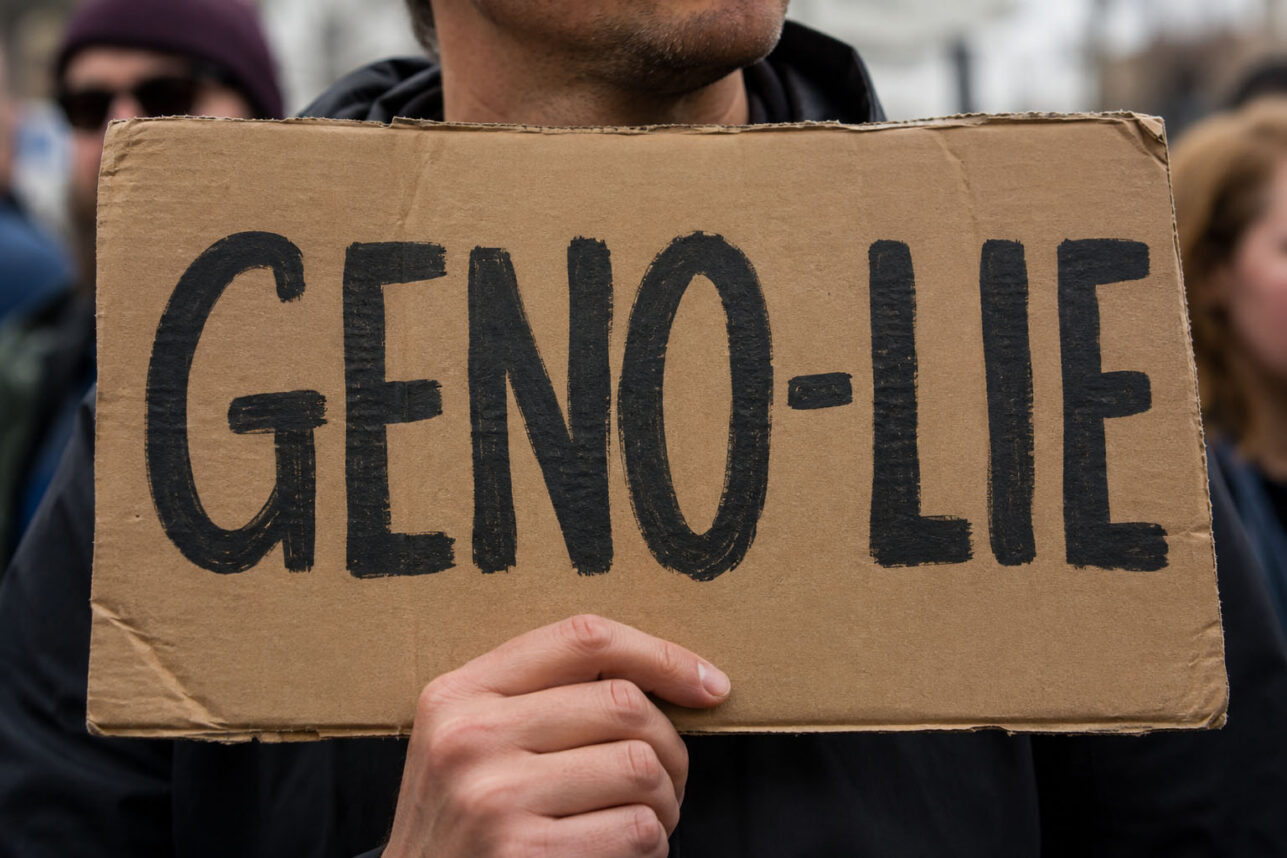
Debunking the Lie of the Century

Investigative journalist and bestselling author Gerald Posner offers a primer to debunk the “genocide” libel against Israel.

Sitting on a Three-Legged Chair

Every morning I convince myself that if I could just find the right system, the right schedule, everything would finally balance.
A Minyan in a Garage

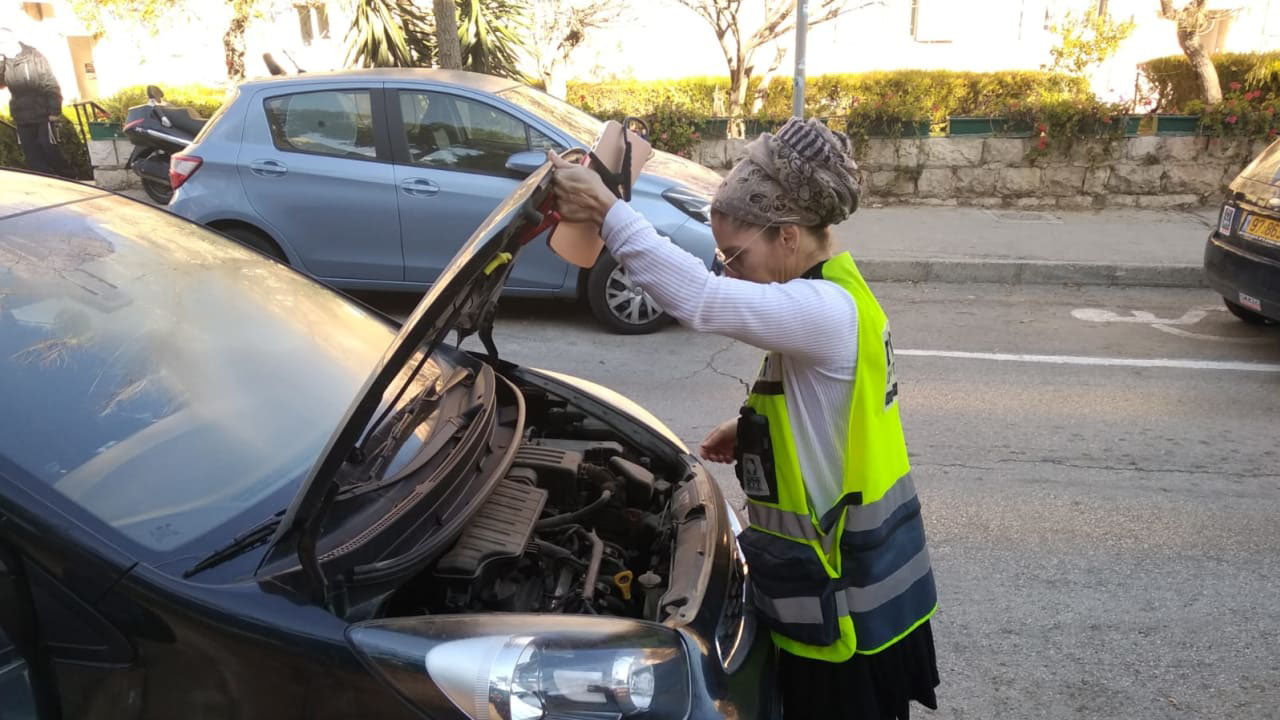
The minyan included mechanics, replete with the mandatory oil-stained hands and grime beneath their fingernails.
Trump vs. Harvard

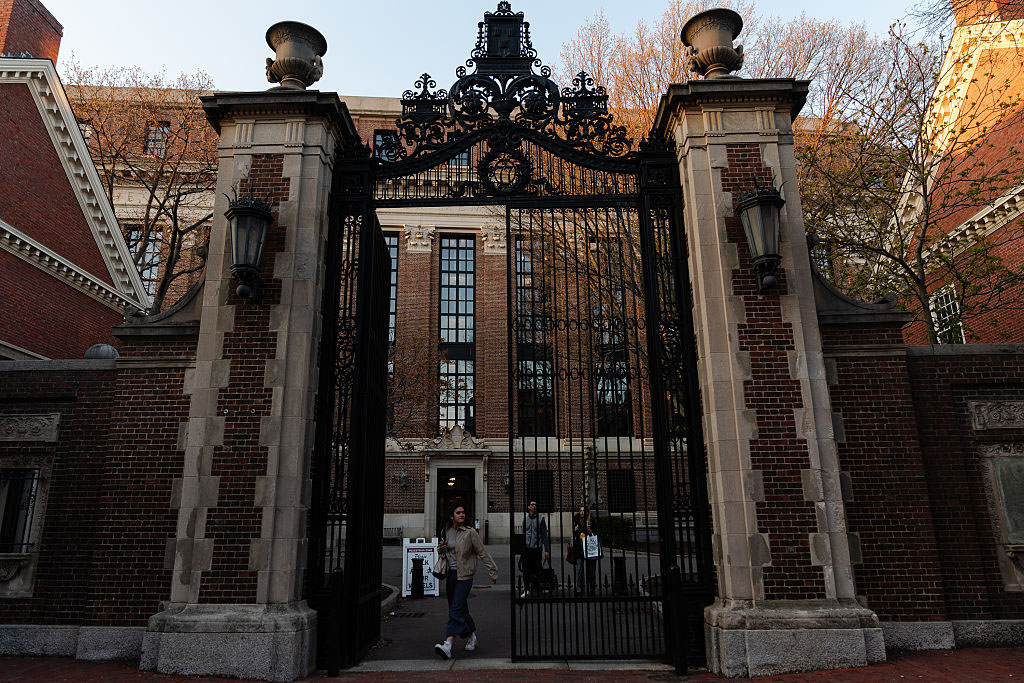
Trump’s administration has been conducting a multi-front war against America’s oldest university, freezing previously approved federal research grants, restricting international student visas, and targeting the school’s tax-exempt status.
More news and opinions than at a Shabbat dinner, right in your inbox.