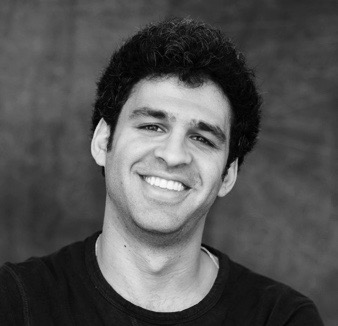
Like many artists, Matisyahu resists personal praise. Instead, the 32-year-old singer saves it for others — and his music. He described Youssoupha Sidibe, a musician he performs with, as “a very spiritual being … a very incredible musician,” and said their music was “next level” in a Tweet that linked to a recording of their recent jam.
In his shows, the musicians’ improvisational collaboration often features impromptu chanting over loose electric guitar. But Matisyahu’s forthcoming studio album, “Spark Seeker,” which will come out this summer, will be a slick effort, emphasizing studio wizardry over live spontaneity.
“The music I’m going to be releasing, the record that is coming up, is a totally different feel,” Matisyahu said during an interview last week in advance of his appearance at American Jewish University’s Brandeis-Bardin Campus on March 10. The new album follows “Light,” his 2009 release that featured what may be his best-known track, “One Day.”
Fans criticized “Light” for relying too much on hip-hop beats. Asked if he thought the critiques were fair, Matisyahu gave an unexpected reply.
“To me, ‘beat-heavy’ is a compliment,” he said. So while he wasn’t specific about the sound of the next album, one assumes it will continue the departure from the reggae sound of “Shake Off the Dust … Arise” (2004) and “Youth” (2006), his first two albums.
Despite talk about the novelty of Matisyahu in the mainstream music scene — and how different he is from the typical Jew — he’s extremely personable, even normal, in conversation. At times, he’s confident. Other times, he’s insecure. His album “Live at Stubbs” is beloved, but, he said, “I cringe when I listen to a lot of that record.”
Like any other celebrity whose actions and statements are scrutinized, Matisyahu doesn’t hide his frustration with the media. Raised as a Reconstructionist Jew on the East Coast, he dropped out of high school and got involved with drugs before learning about Orthodox Judaism on a trip to Israel. In his mid-20s, he exploded on the music scene as a Chasidic beat-boxing, reggae-singing superhero. He performed wearing a long beard and peyos, then shed the Orthodox garb for street clothes. While the change of wardrobe led people to question the sincerity of his observance, nothing came close to his decision last December to shave off both his beard and peyos. The move brought on a firestorm of anger, admiration and also confusion from fans, journalists and bloggers. And it caused him to be portrayed in the media in off-putting ways, he said.
“It’s so ridiculous to me, the whole thing,” Matisyahu said on the phone from Lake Tahoe, where he performed on Feb. 22. In interviews after he shaved, he explained that he’d been afraid to shave. Some had told him that a beard attracts God’s blessings and that by cutting his beard, he would be cutting off those blessings. If the fear sounds strange, consider that Orthodox Judaism gave the singer his identity and sense of self.
Once he built up the courage to shave, he came to believe that it would be his worthy behavior, not his beard, that will bring him God’s blessings.
“I went through a lot of changes and a lot of growth,” he said. “A lot of that has been … internal; it’s been very much kind of like an inner thing.”
The beard, the evolving sound of his music — if nothing else, the last decade with Matisyahu has been interesting. No one denies that he’s a powerhouse live act.
“King Without a Crown” and “Jerusalem” are now eight years old, but the songs still enrapture audiences at his shows.
Visit ajula.edu/matisyahu for more information on the March 10 performance.









 More news and opinions than at a Shabbat dinner, right in your inbox.