For the sake of his career, Jack Voorzanger worked to leave the horrors he endured during the Holocaust behind, but through his volunteer work at the Simon Wiesenthal Center, he has demonstrated his commitment to “never forgetting.” He spends 15 hours each week digitizing the family photo collections of victims and survivors.
Voorzanger, 80, said he volunteers “so that the world won’t forget what happened; there are too many people who deny the Holocaust.”
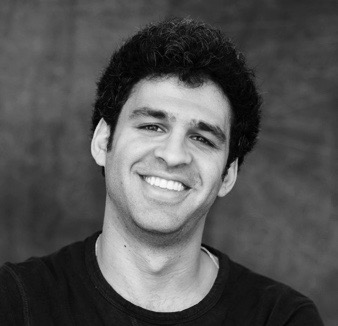
Voorzanger speaks perfect English although he is Dutch by birth. He has the appearance of a professor or author with his gray hair, thin-but-healthy-looking frame and the casual sports coat he wears when he comes to the library and archives room at the Wiesenthal, where he works three days each week.
His work at the Wiesenthal is simple enough. People turn in photos, and he scans them and adds finishing touches, like using the computer to increase or decrease the contrast or light to highlight an image. He was able to learn how to use a computer without much difficulty only after he started volunteering, he said. The photos, available to the museum’s visitors, along with informational pages about the families shown, form valuable multimedia histories of the Holocaust.
Voorzanger began volunteering at the Wiesenthal following his retirement 15 years ago from running photo labs, and he is now one of the museum’s longest-tenured and most consistent volunteers. He works an estimated 800 hours each year.
Story continues after the video.
“I couldn’t sit at home all day doing nothing,” he said of retirement. “My daughter suggested to me, ‘Why don’t you call the Museum of Tolerance? Maybe they want some volunteers.’ And I’ve been there ever since.”
He also spent three years translating interviews with Dutch survivors for the Shoah Foundation.
Voorzanger has had a difficult life: Both of his parents died in the Holocaust, and he was subjected to physical and sexual abuse by the head of the Catholic family who hid him from the Nazis. His first wife died following the birth of their only child, and that child was later killed in a car accident.
But he eventually remarried, and he and his wife, Juliet, recently celebrated their 42nd wedding anniversary. They have three daughters and seven grandchildren.
Adaire Klein, director of Library and Archival Services at the Wiesenthal Center, praised Voorzanger for his ability to overcome tragedy and for his contributions to the Wiesenthal.
“What has always impressed me about Jack is his tremendous commitment to what he does,” Klein said, “his demeanor, his warmth, his friendship, his optimism, his hope in spite of the lot that he’s been through.”
For more info, visit wiesenthal.com.