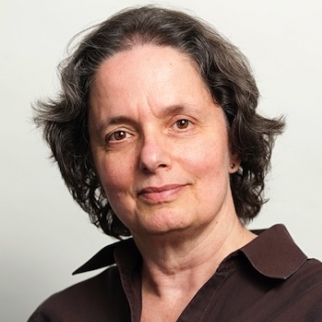
Fresh on the heels of a piece by The New York Times’ ombudsman calling for the removal of the Times’ Jerusalem bureau chief Ethan Bronner from his current post, the author and journalist spoke to a small group of American Jewish University supporters at a private home in Beverly Hills on Feb. 9.
Bronner’s son recently joined the Israel Defense Forces, and some critics on the blogosphere questioned Bronner’s continued objectivity toward the region. At the event, Bronner, who is Jewish and whose wife is Israeli, briefly addressed the controversy, telling the group his editors are confident in his coverage and that he expects to remain in Israel, where he has been since 2008, his third stint there. Bronner went on to explain the many complexities of reporting on the region.
“In this world of black and white, I traffic in grey,” he said. “I cover one place with two completely contradictory narratives.” Sites like the Temple Mount, for example, have two names, depending upon which group you’re talking to, so the simple use of a name can be seen as prejudicial. And what some call a “‘fence,’ which is neighborly, and others call a ‘wall,’ which is aggressive,” he said, “The New York Times calls a ‘barrier,’ because we think it doesn’t sound like anything at all.”
Of the peace process, Bronner said, “Right now the situation is quite stuck. Both sides feel so burned, and both sides feel that time is on its side.”
He said a complicating factor in coverage is that Israel is open about its politics, while the message is highly controlled by its opponents.
“On the Palestinian side, there is no robust debate and no data, so my ability to report on that is limited,” he said.
Asked whether he believes the peace process can succeed, he said, “I don’t, particularly, but there’s no other thing that you can work toward.”