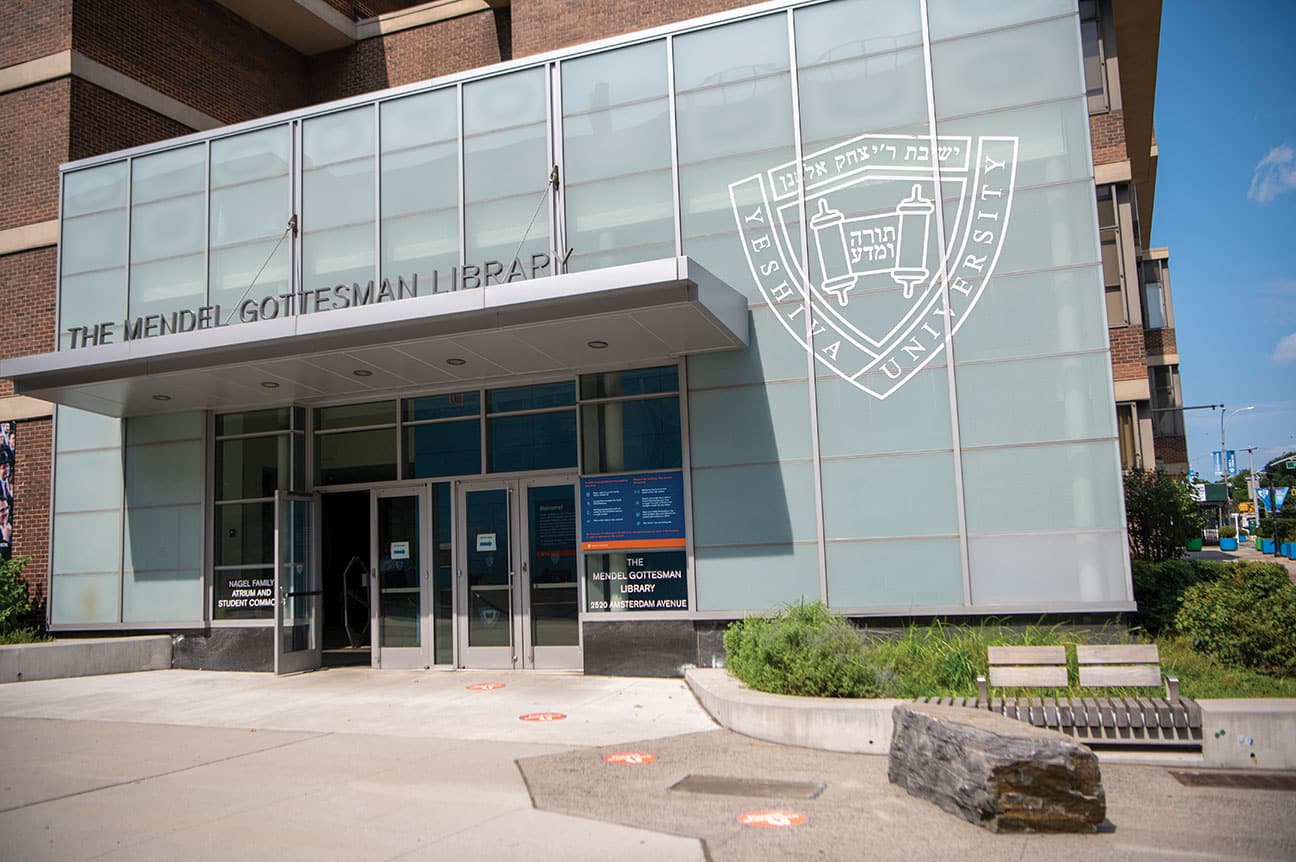
Yeshiva University (YU) in New York has become the latest institution to acquire the unabridged version of the Shoah Foundation Visual History Archive, featuring 55,000 video testimonies on the Holocaust and other genocides.
Director Steven Spielberg established the archive nearly 30 years ago as part of an effort to videotape and preserve interviews with Holocaust survivors and eyewitnesses.
In acquiring the Visual History Archive, YU joins Columbia, NYU, Yale, Rutgers and Princeton as one of a handful of universities in the New York-metro area with access to the archive. It will be accessible to all current YU students as well as to all faculty and staff on campus and by authentication off campus.
The archive’s powerful and patented built-in search engine allows the user to home in on certain localities, events and people and to study the history of the Holocaust on the local level – to the Jews of a given town, community and family, all the way to a single Holocaust survivor.
Every testimony is fully searchable to the minute via careful indexing.
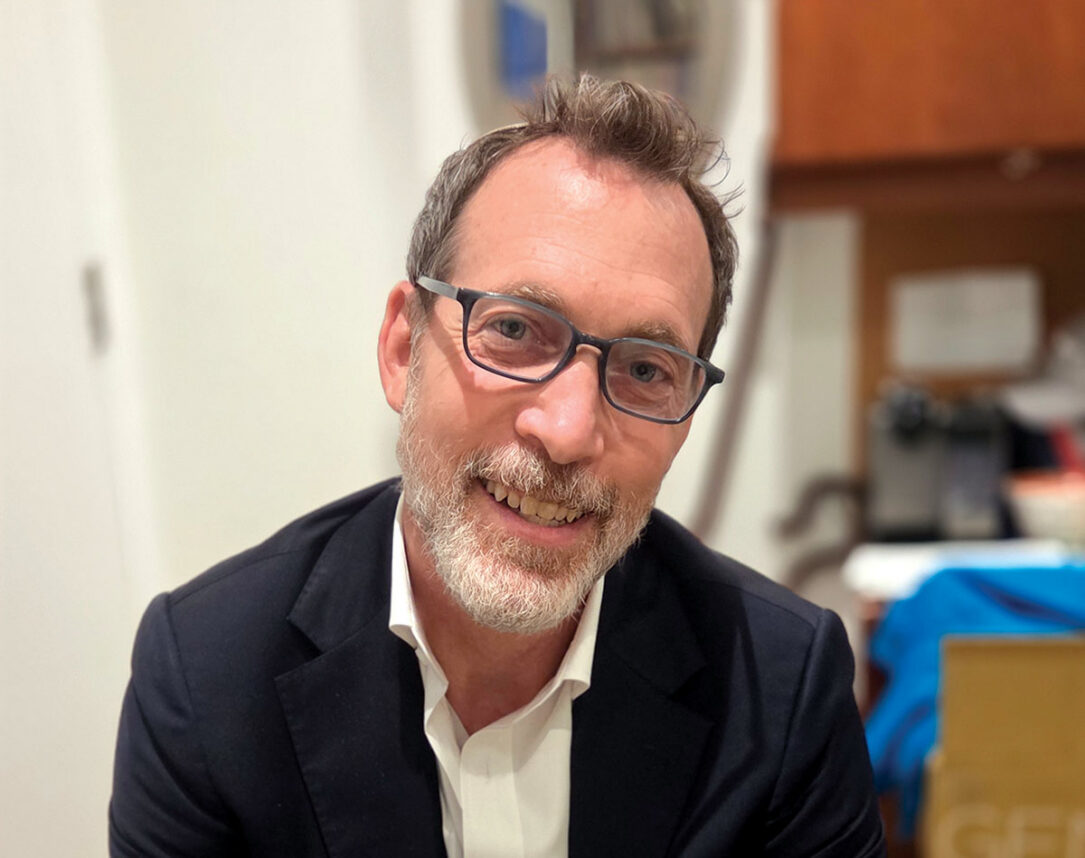
“I am thrilled that we’re able to provide a resource that faculty and students have been requesting since my association with the University Libraries began in 2015,” Paul Glassman, director of scholarly and cultural resources at YU, said in a statement. “Yeshiva University researchers will benefit from the robust search function the Archive provides for its 114,000 hours of testimony. Equally impressive is the universal approach the Archive takes to helping us understand the persistent threat of genocide around the world.”
“Equally impressive is the universal approach the Archive takes to helping us understand the persistent threat of genocide around the world.” – Paul Glassman
Along with the Holocaust, the archive contains testimonies from the 1937 Nanjing massacre in China; the 1994 genocide against the Tutsi in Rwanda; the Armenian genocide that coincided with World War I; the Guatemalan genocide of 1978-1983; and the Cambodian genocide of 1975-1979.
Reflecting the ambitiousness of the testimony-gathering effort, the interviews in the archive have been conducted in 65 countries and 43 languages. Users can search through testimony using more than 66,000 keywords that have been assigned to digital time codes.
The archive, the largest digital collection of its kind in the world, contains more than 720,000 photographs and images, along with nearly two million personal names.
YU’s Shay Pilnik is the grandson of Holocaust survivors. Using the archive, the director of the university’s Emil and Jenny A. Fish Center for Holocaust and Genocide Studies was able to read the testimony of his late great uncle, who survived the Holocaust as a partisan in Belarus.
“Acquiring the Shoah Foundation archives will help the Fish Center at Yeshiva to train the next generation of leaders in the field, at a time when survivors are rapidly leaving us,” Pilnik said. “We simply cannot fulfill our ambitious mission without this incredible repository of over 50,000 survivor testimonies. And while the purpose of adding this database is mainly academic, you do not need to be a Holocaust studies scholar in order to realize how powerful this multi-lingual, international treasure trove of survivor testimonies is.”
According to YU, a unique collaboration between the university’s libraries, the Fish Center for Holocaust and Genocide Studies and the Dr. Lillian and Dr. Rebecca Chutick Law Library of the Cordozo School of Law made the recent acquisition possible.
Jocelyn Getgen Kestenbaum, associate professor of clinical law at YU’s Cardozo School of Law, said acquiring the archive offers significant learning opportunities for YU students and staff alike. “It is important when we come together to remember the Holocaust, [and] that we [emphasize] survivors’ voices and keep alive their narratives,” she said. “The Shoah Foundation Visual History Archive is a crucial resource so that the world can never forget, and so that we might begin to build a world where ‘Never Again!’ rings true.”