

The funeral for “America’s Pastor,” the Rev. Billy Graham, has been described as a continuation of the decades of his evangelical preaching. In his eulogy, son and successor Franklin Graham reiterated his father’s message that “Jesus is the only way” to God. His message included a call to “repentance and salvation,” saying that there was no better place or time than his father’s funeral for a conversion to Christianity.
As a Jew, I disagree with Graham’s beliefs in the messiahship and divinity of Jesus, and that Jesus is the only way to God. Judaism rejects the messiahship of Jesus and the concept of the Trinity (Father, Son, Holy Spirit). As Jews, we do not believe the messiah is God or the son of God. Rather, the Jewish Bible teaches that the messiah is a human being who will usher in an age of world peace and awareness of God. We don’t believe the messiah will die for our sins. We believe every individual can repent and pray directly to God to receive forgiveness.
Although I disagree with Graham’s beliefs, can I still respect him? For the honest stance he took on Jews for Jesus, the answer is yes.
In 1973, Graham responded to the then-recent emergence of Jews for Jesus and their missionary tactics. He wrote, “Gimmicks, coercion, and intimidation have no place in my evangelistic effort, certainly not in Historical biblical evangelism.”
After 40 years of research, I believe what separates a legitimate religion from a cult is the use of deception and coercion.
My first encounter with Jews for Jesus came as a freshman at the University of Texas in 1973. It was a full-page ad in the school paper with the headline, “What Are These People Smiling About?” Below the headline was a photograph of happy, young people wearing Jews for Jesus T-shirts.
Jews for Jesus and, by extension, the messianic movement created a misleading gimmick to convert Jews to evangelical Christianity. They promote the ploy that Jews can accept Jesus and remain Jewish.
They encourage Jewish Christians to practice Jewish rabbinical rituals, to entice them and to persuade them that they have not abandoned their Jewish heritage. They remain true to Christian theology, while hypocritically using the same rabbinical traditions they reject as nonbiblical to create an air of legitimacy.
Lisa, a former member of Jews for Jesus whom I helped return to Judaism, showed me a video of a Jews for Jesus Passover seder she attended. The three matzos are said to symbolize the Trinity (in Judaism, they symbolize the three patriarchs). Jews for Jesus also allege that the red Passover wine symbolizes Jesus’ blood, when in fact, it is supposed to remind Jews of the blood of circumcision and the Passover offering.
Jews for Jesus gimmicks have misled hundreds of thousands of Jews. Most never experienced the beauty and spirituality of Judaism. Therefore, it is not surprising that in a 2013 Pew Research Center study, 34 percent of American Jews agreed that belief in Jesus as the messiah was compatible with being Jewish.
A survey recently conducted by the reputable Barna Group found that one-fifth of Jewish millennials believe Jesus is the son of God. The survey was commissioned by Jews for Jesus and may be skewed because it included Messianic Jews — who have already accepted Jesus — and referred to Jesus as God rather than a human messiah. Nevertheless, the statistic is informative because it indicates that Jewish millennials are less affiliated with traditional Judaism and tend to be more pluralistic.
After 40 years of research, I believe what separates a legitimate religion from a cult is the use of deception and coercion. I may disagree theologically with a religion, and even consider it idolatry, but if a movement renounces deception and coercion, it does not fit the definition of a cult. For this, I admire the Rev. Billy Graham’s insistence on honesty and his disdain of coercion.
The best way to keep Jews Jewish is to practice “truth in advertising,” to demonstrate the beauty and spirituality of Judaism and to explore Judaism’s insightful and timely teachings through a careful exploration of the Bible in its Hebrew original.
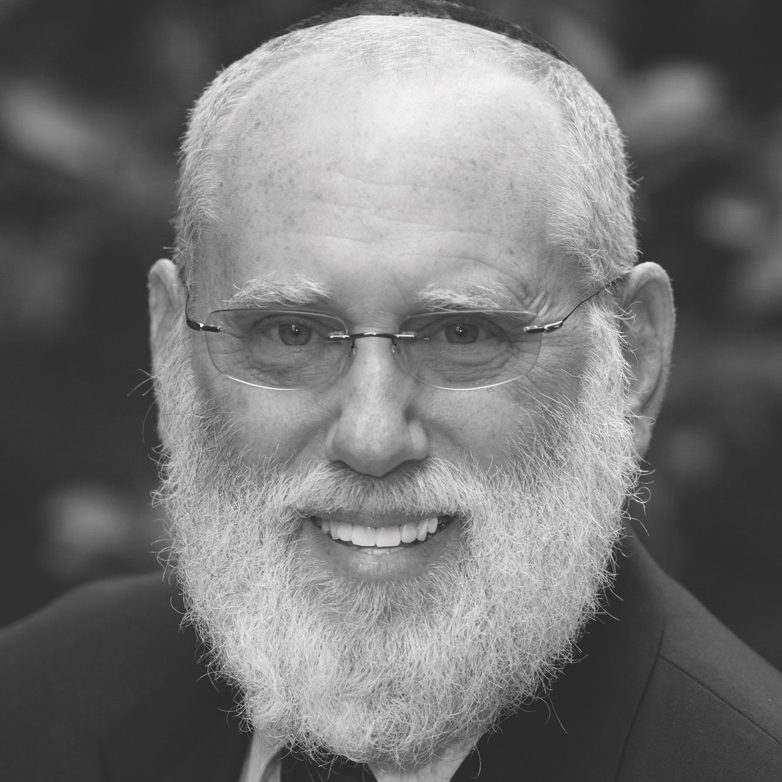
Rabbi Bentzion Kravitz lives in Los Angeles and is the founder of Jews for Judaism International and the SMARTalks.com initiative that inspires and engages Jewish millennials.

































