Last Thursday, I met two extraordinary gentlemen in the span three hours. I was invited, along with hundreds of other Jewish leaders from across the country, to Washington D.C. to gather in the “People’s House” to celebrate the conclusion of Chanukah. My good friend and congregant, Janice Kamenir Reznik, an inspiring leader and founder of Jewish World Watch, invited me along to experience this momentous occasion because of my work inside and out of Valley Beth Shalom pushing for social change. Standing at the entrance to Southern Gate I gazed back along the long line including rabbis, activists, scholars and philanthropists. I couldn’t help but reflect that President Obama would the second amazing leader I would meet that evening. I should start with the first.
Just an hour before I entered the White House I was sitting in a tent on the National Mall with a group of Latino activists who are fasting for many days to inspire our nation to reform immigration law. I came with Karla Van Praag, the Executive Director of JOIN for Justice, a prominent Jewish organization that trains leaders for social change. We met with the leader of the fast, an inspiring man named Eddie Carmona. He grew up in California’s Central Valley and has witnessed, time and again, his own and other families torn apart by U.S. immigration policies. He showed me a shoe found on the border between Arizona and Mexico that belonged to a man who died in the desert trying to make a better life for himself and his family. Eddie has been fasting since December 1st, and has inspired thousands of others to join him in this effort called Fasting for Families.
We sat together for a long time, speaking of our faiths (he is Catholic I am Jewish) and the prophetic call to justice. I spoke with him about fasting in the Jewish tradition, that communal fasts are instituted by the leaders of the community in times of crisis. He spoke of fasting in terms of piety, a spiritual journey meant to inspire sacred action. We prayed together and then he graciously gave me and my companion a tour of the tent and the notes of solidarity they have received from around the world. He brought us to the back part of the tent away from the public where those who have been fasting the longest were sitting, tired and weak. Eddie told me that he was not on a hunger strike. He didn’t want to use violent or confrontational language. For him, this was a public fast, showing that through deep spiritual commitment, he can embody the hunger of the 11 million immigrants who want to become citizens. He is fasting for his faith, his cousins, and for the millions of others who are hungering for change. When Karla and I left, we embraced and became a little teary.

Karla and I found a taxi and to our next stop, the White House. It’s hard to describe the transition from the tent to the palace. From those who are fasting to those who would be feasting. Karla and I spoke of the tension between the two, and how we would make the transition. When we got out of the taxi, we immediately saw friends and jumped in line. Soon after the gates opened and we snaked our way through security and into the White House itself.
I was soon schmoozing with others, wine in-hand amongst the portraits of Presidents and First Ladies. Around 8:00 PM, President Obama and First Lady Michelle emerged in the Center Hall to welcome guests and light the Hanukiah. My friend, Chaplain Josh Sherwin, led us in the blessings, and two Holocaust survivors lit the candles. Spontaneously, the crowd started singing Ma’Oztur together. Supreme Court Justices sang, members of Congress sang, rabbis sang, entertainers sang in a moment of true community that cut across generations and religious beliefs. To sing Ma O’tzur in the White House is particularly moving because the song is an anthem of defiance by our people, written during the period of the Crusades when the nations turned on us and wished to see our people undone. To sing that anthem in the greatest hall of power in the world was very moving. Other nations have fallen and we are still here.
Finally the time came for President Obama to walk the rope line. I found myself toward the front pressed closely to the other guests with the anticipation of meeting the President. What should I say? How should I act? This was one of the greatest moments of my life, and I stood there unsure. As he came over to me and I extended my hand and greeted his I found the words. I said, “Mr. President, I came from the National Mall where those families are fasting. Keep working for them, and they’ll keep working for you.” He smiled and gave me a thumbs -up. That was it, maybe a total of five seconds.
Sweating, I took a breath and just realized that so much of why I chose this life came together in that one instant. From the sacred tent of fasters to the “People’s House” from Mr. Carmona to Mr. Obama, I felt the quicksilver of the prophetic impulse coursing through me. I said a quiet prayer and stepped away from the huddled mass.
In one night, I met two powerful leaders. One who is the leader of the free world, whose power derives from having won election and his ability now to wield the executive pen, and to speak from the pulpit of the presidency. The other is the leader of a movement for change, a prophet, whose power comes from his faith and his sense of vocation, a compass of righteous indignation. When I met Mr. Obama I felt privileged for having been invited, when I met Eddie I felt blessed to be in a sacred space.
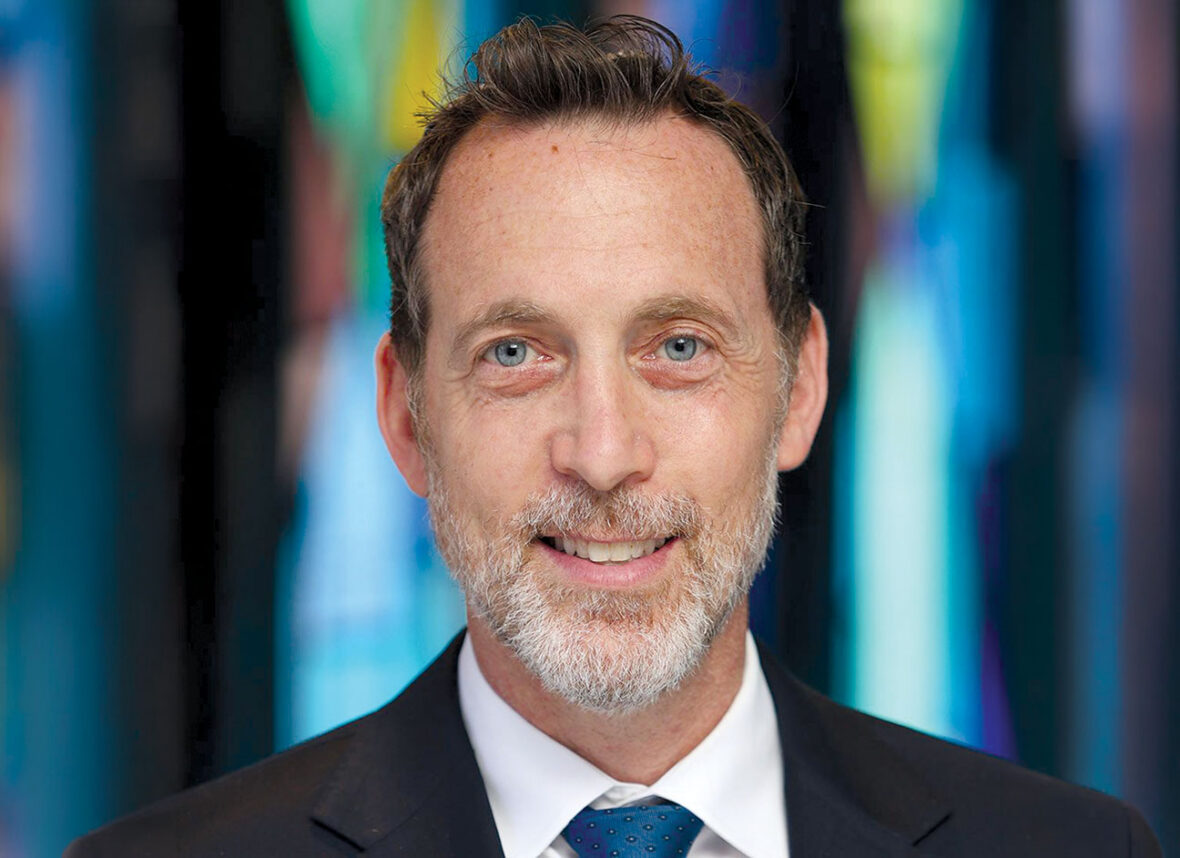
Noah Zvi Farkas is a rabbi at Valley Beth Shalom in Encino, CA and co-founder of Netiya.