We’ve become so inundated with positive, uplifting messages to help us get through these pandemic times, it’s easy to overlook some of the darker stuff.
I saw some of it on Sunday.
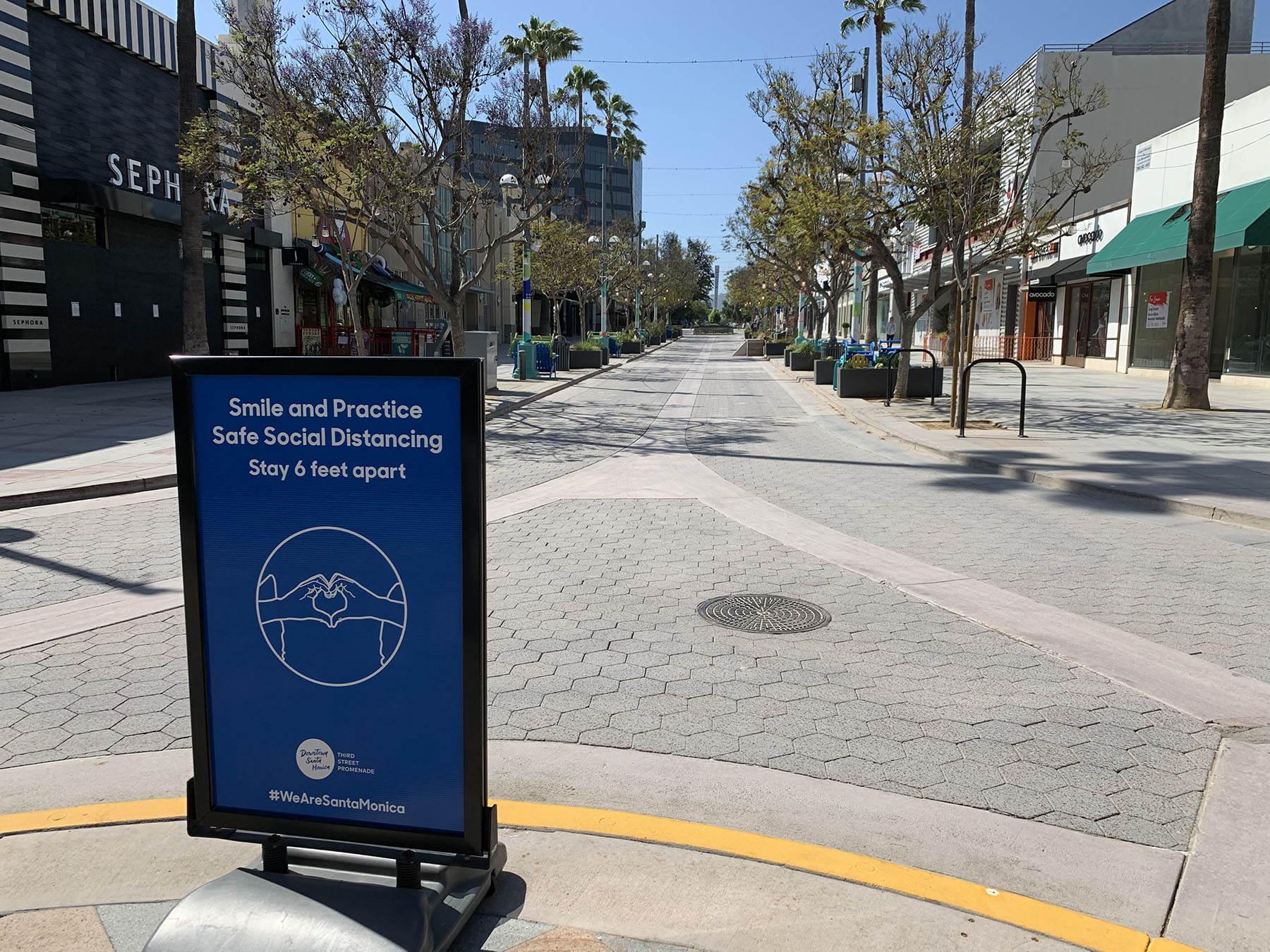
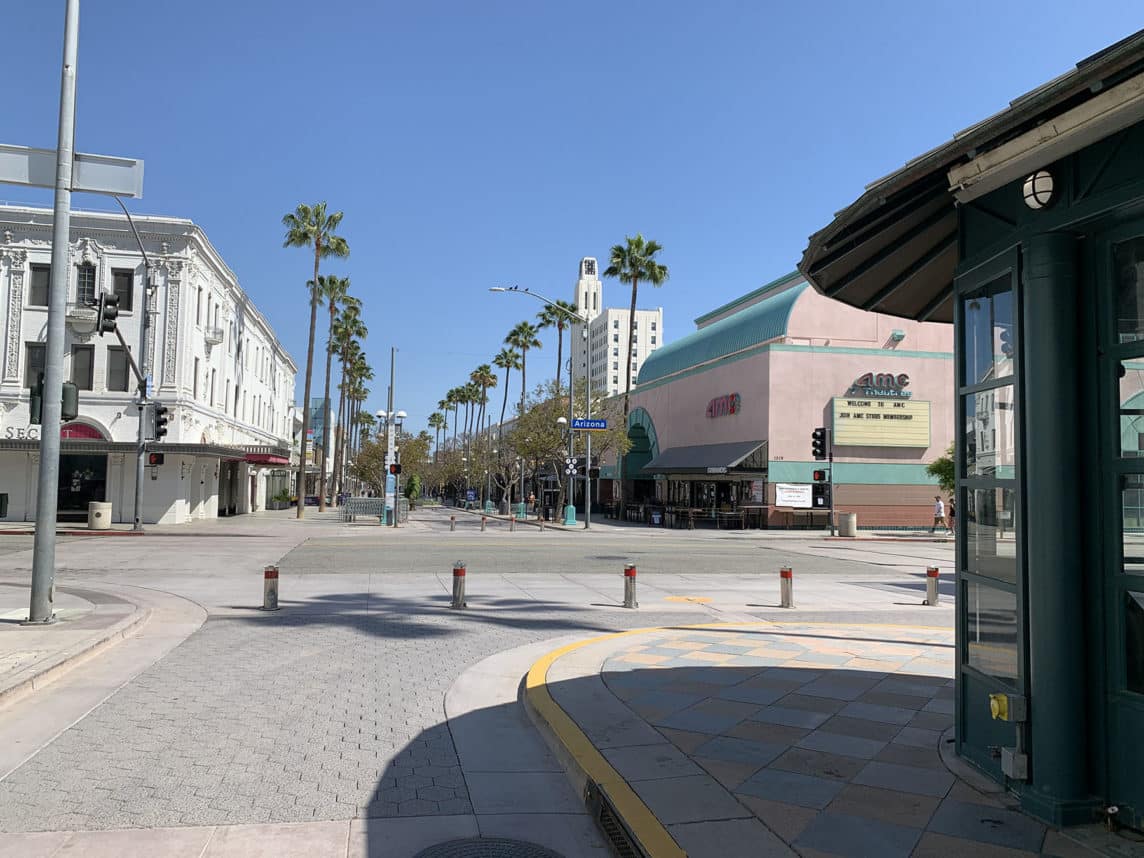
After a beautiful drive up the coast, on a whim I decided to stop by one of my favorite L.A. haunts: The Third Street Promenade in Santa Monica.
On Sunday afternoons, the promenade is usually packed with people strolling and shopping, including tourists from around the world.
Last Sunday, aside from a few peaceful homeless people who were lounging around, it was a ghost town.
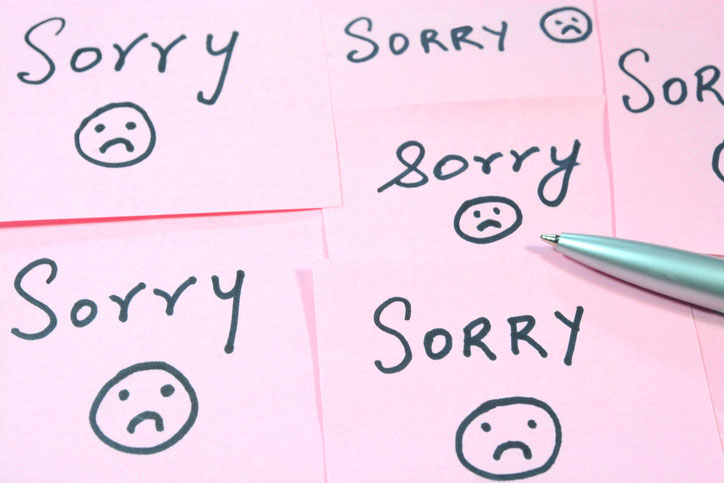
I pulled out my iPhone and started filming. All I saw, whether it was for a big retailer, a small boutique or a fancy restaurant, were “Sorry we’re closed” notices at entrances.
Of course, none of it surprised me. After all, that’s what a “lockdown” means: people stay home, businesses close, ghost towns happen.
As much as we all prefer focusing on positive stories, we ought not ignore the economic devastation that millions of small business owners and their employees are experiencing because of the crisis.
These days, “Sorry we’re closed” notices are the first thing people are seeing at retail businesses across the nation. It may become the poignant slogan for these pandemic times: “Sorry we’re closed.”
As much as we all prefer focusing on positive stories, we ought not ignore the economic devastation that millions of small business owners and their employees are experiencing because of the crisis.
In fact, I wouldn’t mind seeing some of our local leaders give their next press conference at the Promenade. While they share their plans to address the crisis, the backdrop of an empty promenade would be a sharp reminder that some people are paying an enormous price.
That price may get even higher.
In a chilling piece in the Atlantic titled, “The Bridge to the Post-Pandemic World is Collapsing,” Annie Lowrey, who covers economic policy for the magazine, asserts that “Many small businesses won’t survive, and that will change the landscape of American commerce for years to come.”
As much as the COVID-19 virus is novel, so is the policy conundrum triggered by the pandemic.
“This deep freeze has posed a singular policy challenge,” Lowrey writes. “The government has never before been tasked with figuring out how to put a majority of the country’s businesses on life support.”
SBA programs such as the Payroll Protection Program (PPP), she says, are “too little, too late.” In any case, they are more geared for short-term crises, which is hardly the case with COVID-19.
She quotes John Lettieri of the Economic Innovation Group: “If you have a short-duration crisis that causes a lack of liquidity across small businesses, followed by a quick return to normal, PPP is going to help a lot of businesses. But does that sound like what we’re facing? Not to me.”
It’s the same theme I hear over and over again—we’ve never seen anything quite like this crisis, which means emotions such as fear and anxiety will dominate.
“When responding to something like this, you’re not just dealing with dollars and cents. You’re dealing with toxic and pervasive fear and uncertainty,” Lettieri told Lowrey. “I can’t take for granted that Congress will extend this program, and that I’ll have a business worth running in three months. I’m going to burn through the cash I have in pocket, so why not cut losses now?”
As a result, Lowrey writes, “Facing mounting bills and absent revenue, many businesses are closing permanently, rather than drifting further and further into insolvency.”
All the talk these days about “re-opening” our states and cities sounds hopeful and wonderful, but let’s not kid ourselves: The reality is that many businesses will not be able to re-open.
I know. None of this is very pleasant. The toughest part of covering this crisis for journalists is confronting realities we’d rather not confront. Personally, I much prefer driving up the coast listening to the Beatles than walking through an empty and desolate promenade.
The government alone, regardless of how many trillions of dollars it prints, will not get us out of this jam.
Eventually, though, we all will be forced to reckon with the darker side of our pandemic times.
The government alone, regardless of how many trillions of dollars it prints, will not get us out of this jam. We’re in uncharted territory, where communities and philanthropies may have to step up to mitigate the economic and social fallout. But that’s for another column.
For now, I can only dream that one Sunday afternoon in the not too distant future, I will see a large crowd of happy shoppers and strollers on my beloved Third Street Promenade.
Now that would be uplifting.